Why Does My Cat Knead? The Sweet Science Behind "Making Biscuits"
Paris DeesingEver wonder why your cat presses her paws into your lap, a soft blanket, or even your stomach in a slow, rhythmic motion? It's called kneading — affectionately known as "making biscuits" — and it's one of the most adorable (and meaningful) behaviors in feline language.
What Is Cat Kneading?
Kneading is the rhythmic pushing of a cat's paws against a soft surface, alternating left and right. Some cats keep their claws fully retracted; others extend them slightly with each press. Many cats purr, drool, or stare into space dreamily while doing it — a clear signal they're in a state of deep contentment.

5 Reasons Cats Knead
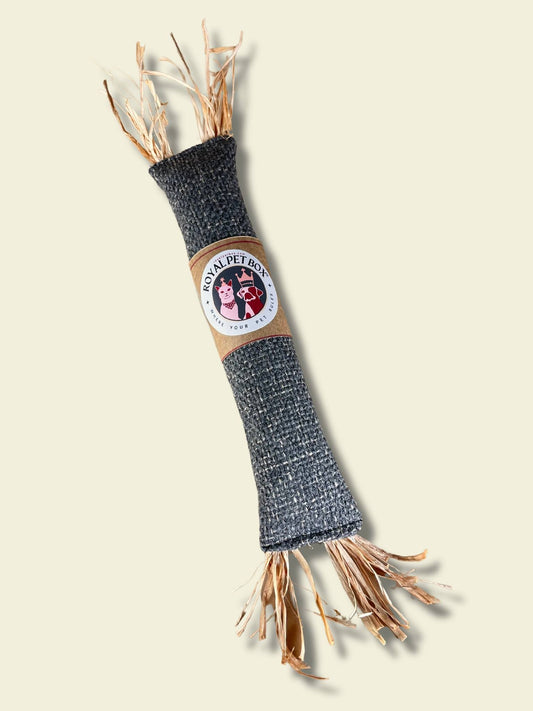
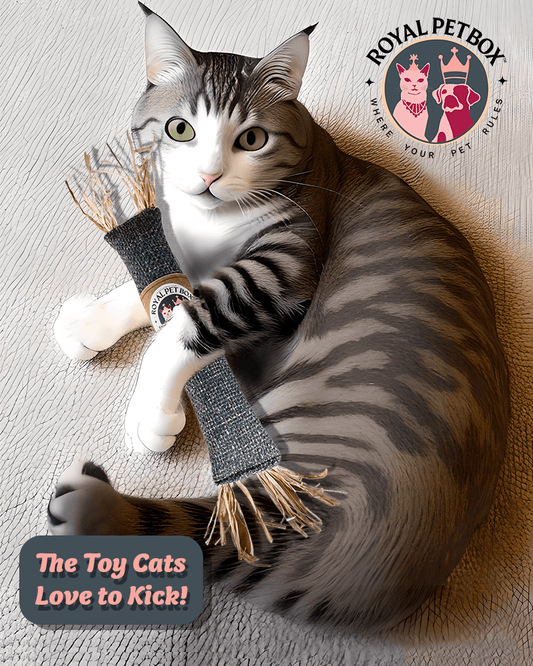
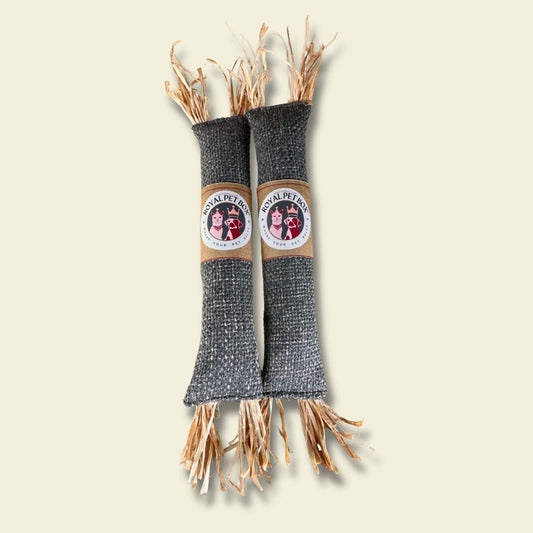
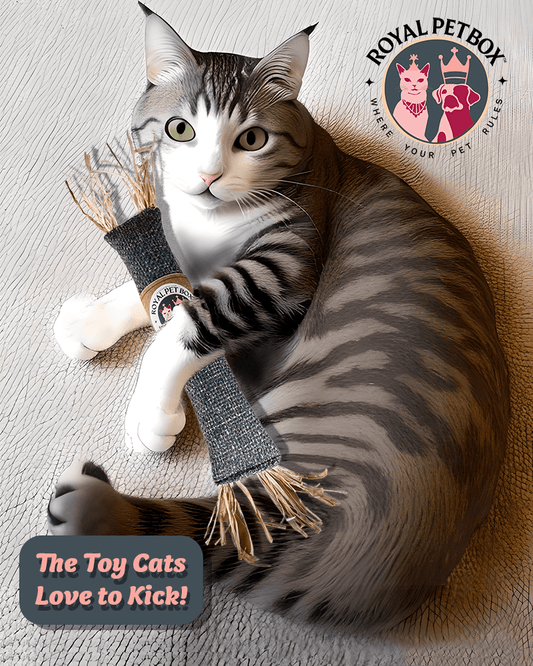
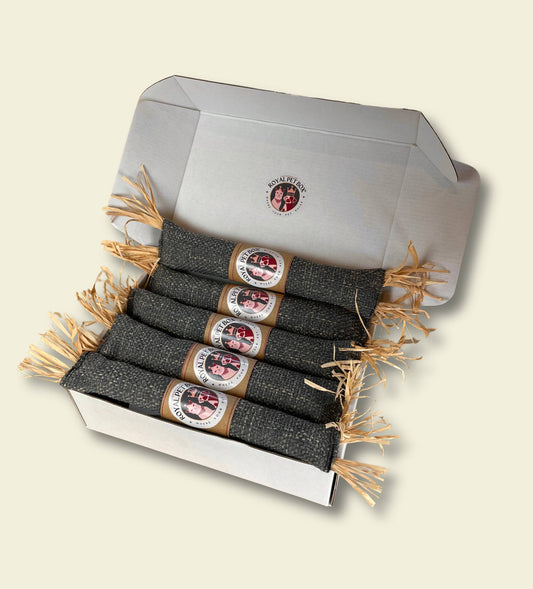
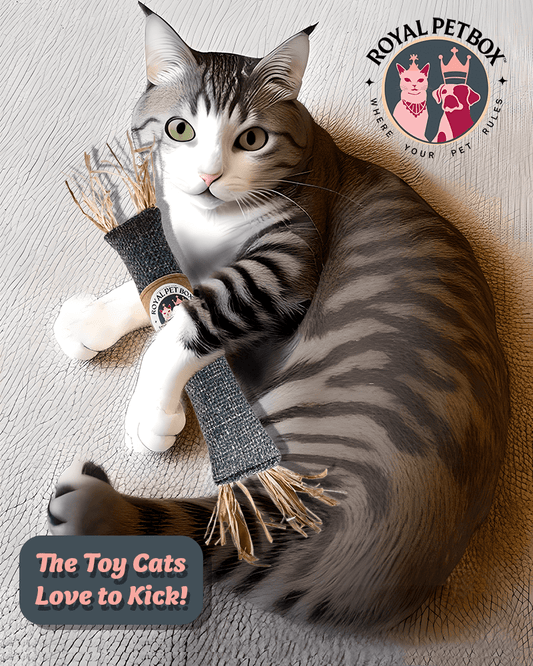
If you want to channel that same blissful contentment into playtime, our Luxury Cat Kicker Toy — packed with silver vine and catnip — is a wonderful way to bring out your cat's happiest instincts.
1. It's a leftover kitten behavior. Newborn kittens knead their mother's belly to stimulate milk flow during nursing. As adult cats, they keep the muscle memory — and the emotional comfort that comes with it.
2. They're claiming their territory. Cats have scent glands in their paw pads. When your cat kneads a blanket, your lap, or another pet, she's depositing her unique scent and quietly saying, "this is mine."
3. They're showing love. A cat who kneads on you trusts you completely. It's the feline equivalent of a hug.
4. They're getting comfortable. Cats descended from wild ancestors who would tamp down grass or leaves before lying down. Kneading a cushion is a modern echo of preparing the perfect sleeping spot.
5. They're stretching. Kneading flexes muscles in the paws, shoulders, and back — a built-in feline yoga session.
Is It Normal If My Cat Doesn't Knead?
Yes. Some cats simply don't knead, and there's nothing wrong with them. Kittens who were weaned very early sometimes knead more intensely as adults; cats who had rougher early lives may not knead at all. Both extremes — and everything in between — are perfectly normal.
When Should You Worry About Kneading?
Kneading itself is healthy. But if your cat starts kneading obsessively, fixates only on herself, or pairs the behavior with unusual signs like excessive grooming, vocalization, or hiding, it can occasionally signal stress or anxiety. If something feels off, a quick check-in with your vet is the right move.

How to Enjoy (and Encourage) Kneading Sessions
A sprinkle of our Organically Grown Catnip on your cat's favorite blanket can make these sessions even more joyful — the scent naturally encourages that calm, euphoric state your cat loves. Lay a soft blanket on your lap to protect your skin from claws. Trim your cat's nails regularly so kneading stays comfortable for both of you. And resist the urge to push your cat away mid-knead — she's telling you she loves you. Lean in, scratch behind the ears, and enjoy the moment.
Kneading is a tiny daily reminder that your cat sees you as family. The next time your kitty starts making biscuits, you'll know exactly what she's saying.
Kneading is normal, comforting cat behavior, but a sudden change — paired with limping, signs of pain, or favoring one paw — can point to something else. If kneading suddenly stops, becomes obsessive, or your cat seems uncomfortable, please consult your veterinarian.
Check out our luxury pet products at reasonable prices. Visit our "Royal Pet Box Pet TV" Channel on both Roku and YouTube for fabulous pet-related education and entertainment.
Paris Deesing holds a degree in Biological Anthropology from UCLA and provides the editorial review behind each article, drawing on a long-held curiosity about the animals who share our lives.
This article was created using artificial intelligence with human editorial review and oversight.