5 Signs Your Rabbit Has a Dental Problem (and How Hay Prevents It)
Paris DeesingRabbits are masters at hiding pain, and nowhere is that truer than with their teeth. A bunny can be quietly struggling with a serious dental problem while still hopping around and looking, at a glance, perfectly fine. Because a rabbit's teeth never stop growing, small issues can snowball into emergencies fast. Knowing the early warning signs of rabbit dental disease, and understanding the simple diet that prevents most of it, is one of the most important things any rabbit owner can learn.

Why Rabbit Teeth Never Stop Growing
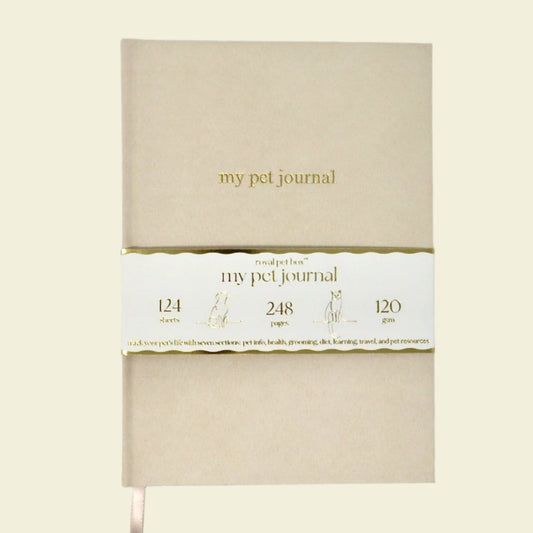
Unlike our teeth, a rabbit's teeth are open-rooted, which means they grow continuously throughout life, often a couple of millimeters per week. In the wild, this constant growth is balanced by hours of grinding tough, fibrous plants. The side-to-side chewing motion files the teeth down naturally and keeps them properly aligned. When a pet rabbit eats a diet that doesn't demand much chewing, the teeth keep growing without being worn down, leading to overgrowth, sharp points called spurs, and painful misalignment known as malocclusion. Tracking your rabbit's eating habits, weight, and behavior in one place makes it far easier to catch trouble early, which is why we keep a My Pet Journal handy to log meals, droppings, and any subtle changes between checkups.
5 Signs Your Rabbit May Have a Dental Problem
Because rabbits instinctively mask discomfort, the signs of dental disease are often quiet and easy to miss. Watch for these red flags:
- Reduced appetite or picky eating. A rabbit that suddenly prefers soft foods, drops pellets from its mouth, or stops eating hay may have painful teeth.
- Drooling or a wet chin. Excess saliva, sometimes called "slobbers," and matted fur around the mouth often point to overgrown teeth.
- Weight loss. If chewing hurts, a rabbit eats less and steadily loses condition, even if it still nibbles a little.
- Fewer or smaller droppings. Reduced eating quickly shows up in the litter box, and a drop in fecal output is a genuine emergency in rabbits.
- Watery eyes or facial swelling. The roots of upper teeth sit close to the tear ducts and eye sockets, so overgrowth can cause runny eyes or visible bumps along the jaw.
How Hay Prevents Dental Disease in Rabbits
The single best defense against rabbit dental problems sits in the hay rack. Unlimited grass hay, such as timothy, orchard, or meadow hay, should make up roughly 80 to 85 percent of an adult rabbit's diet. The long strands force the prolonged side-to-side chewing that wears teeth down evenly, and the high fiber keeps the digestive system moving too. Pellets should be a measured supplement, not the main meal, and sugary treats or excessive fruit do nothing to file teeth. Fresh hay available around the clock is the closest thing to natural foraging you can offer, and it does more for dental health than any toy or chew on the market.
What to Do If You Spot the Signs
Dental disease in rabbits rarely fixes itself, and overgrown or misaligned teeth usually need professional attention. A rabbit-savvy vet can examine the back teeth (which you cannot see at home) with a special scope and, if needed, file or trim them under safe conditions. The earlier the problem is caught, the simpler the fix, so don't wait to see if your rabbit "snaps out of it."
A rabbit that stops eating or passing droppings for more than about 12 hours is a true emergency, not a wait-and-see situation, so call a rabbit-experienced vet right away rather than hoping appetite returns on its own.
Keeping Your Rabbit's Smile Healthy for Life
Rabbit dental health comes down to two habits: feeding a hay-first diet that keeps those ever-growing teeth worn down, and watching closely for the subtle early signs of trouble. Pair a well-stocked hay rack with regular weight checks and a quick glance at your bunny's eating and droppings each day, and you'll catch the vast majority of dental problems before they ever become serious. A healthy mouth is the foundation of a long, happy life for your rabbit.
Check out our luxury pet products at reasonable prices. Visit our "Royal Pet Box Pet TV" Channel on both Roku and YouTube for fabulous pet-related education and entertainment.
Paris Deesing holds a degree in Biological Anthropology from UCLA and provides the editorial review behind each article, drawing on a long-held curiosity about the animals who share our lives.
This article was created using artificial intelligence with human editorial review and oversight.