Dog Dental Health: What Every Owner Needs to Know About Brushing and Vet Cleanings
Paris DeesingIf your dog has ever breathed in your direction during a morning cuddle, you've probably wondered what's going on in that mouth. But bad breath is more than just unpleasant — it's often the first sign of a dental health problem that, left unchecked, can affect your dog's heart, kidneys, and overall quality of life. Dental disease is the most common health problem in adult dogs, with studies suggesting that 80% of dogs over age three show some signs of periodontal disease. The good news: a little consistency at home goes a long way.
Why Dental Health Matters More Than You Think

Plaque builds up on your dog's teeth within hours of eating — the same way it does on yours. When plaque hardens into tartar, it creates a rough surface that traps bacteria below the gumline. Over time, that bacterial load doesn't just stay in the mouth. It can enter the bloodstream and stress the heart valves, liver, and kidneys. Periodontal disease also causes chronic pain that dogs hide remarkably well; many owners are shocked to learn at a routine vet visit that their dog has been dealing with sore gums for months. Keeping a detailed health log — our My Pet Journal gives you 248 pages to track vet visits, behavioral notes, and any changes you notice at home — makes it easier to spot trends and report them accurately to your veterinarian.
How to Brush Your Dog's Teeth at Home
Daily brushing is the gold standard for dog dental care, and it's more achievable than most owners expect once you build the habit gradually. Start by letting your dog taste a small amount of dog-safe toothpaste (never human toothpaste — xylitol and fluoride are toxic to dogs) from your finger. Over several days, introduce a soft-bristle dog toothbrush or a finger brush, working up to gentle circular motions on the outer surfaces of the teeth. You don't need to brush the inner surfaces — your dog's tongue does most of the cleaning there. Aim for 30–60 seconds per side. For dogs who resist, a quick daily wipe with a dental gauze pad is better than nothing.
The most important thing is consistency. Brushing three or more times a week produces meaningfully better results than once a week, and daily brushing makes the biggest difference of all. Most dogs who are introduced to brushing calmly and with positive reinforcement — treats, praise, short sessions — come to accept it as part of the routine within a few weeks.
Dental Chews, Water Additives, and Other Helpful Tools

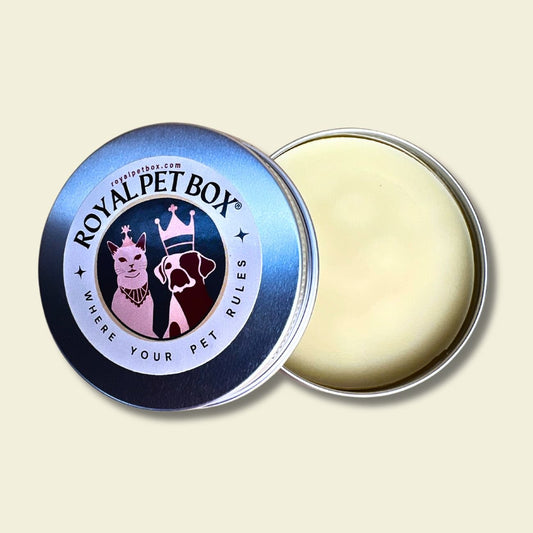
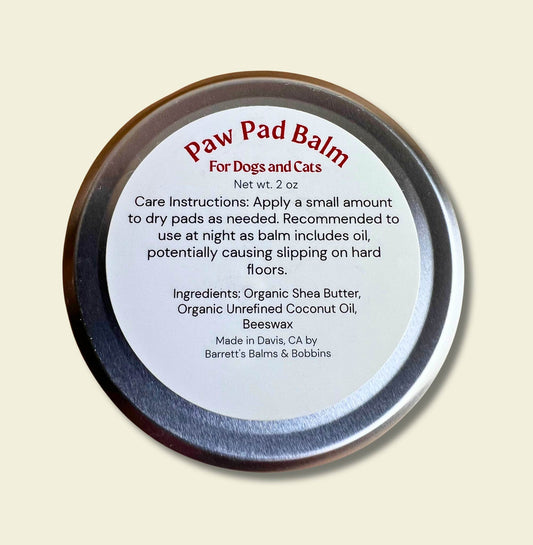
Brushing is most effective, but a range of supplemental tools can help fill the gaps — especially on days when your dog won't cooperate. Look for products that carry the Veterinary Oral Health Council (VOHC) seal, which means they've been tested and proven to reduce plaque or tartar. Dental chews work through mechanical abrasion as your dog chews, and enzymatic varieties also help break down bacteria. Water additives are easy to use and completely invisible to your dog, though they're less effective than chews or brushing and work best as a supplement rather than a standalone approach. Dental wipes are great for dogs who hate the toothbrush. As part of a broader wellness routine, our All Natural Paw Pad Balm is another low-stress daily touchpoint — and regular grooming moments like paw care naturally reinforce the hands-on handling that makes dental care easier over time.
When to Schedule a Professional Dental Cleaning
Even the most diligent home-brusher can't reach everything a veterinary cleaning can. Professional cleanings are performed under general anesthesia — which allows the vet to scale tartar below the gumline, probe each tooth individually for pockets and disease, take dental X-rays, and extract teeth that are beyond saving. Skipping anesthesia ("anesthesia-free" cleanings offered at some groomers) only addresses surface tartar and misses the subgingival buildup where periodontal disease actually lives.
Most vets recommend a professional cleaning once a year for the average dog, though small breeds and brachycephalic breeds (like Bulldogs, Pugs, and French Bulldogs) often need more frequent attention due to the way their teeth are crowded together. Senior dogs and dogs already showing gum disease may need cleanings every six months.
Signs Your Dog May Have a Dental Problem
Dogs are stoic about mouth pain, but there are signs worth watching for: persistent bad breath that doesn't improve, dropping food or chewing only on one side, visible tartar (a yellow-brown crust near the gumline), red or bleeding gums, pawing at the mouth, or a swelling under one eye (which can indicate a tooth root abscess). Any of these warrant a vet call sooner rather than later. Dental pain is real, and addressing it quickly makes a meaningful difference in your dog's comfort and long-term health.
Building dental care into your dog's routine now — even if you're starting late — pays off in fewer problems, lower vet bills over time, and a happier, more comfortable dog. A toothbrush and two minutes a day can make a bigger difference than you'd expect.
Check out our luxury pet products at reasonable prices. Visit our "Royal Pet Box Pet TV" Channel on both Roku and YouTube for fabulous pet-related education and entertainment.
Paris Deesing holds a degree in Biological Anthropology from UCLA and provides the editorial review behind each article, drawing on a long-held curiosity about the animals who share our lives.
This article was created using artificial intelligence with human editorial review and oversight.