Dog Nail Trimming at Home: A Calm, Step-by-Step Guide to Stress-Free Paws
Paris DeesingFor a lot of dog owners, trimming nails is the one grooming task that gets quietly put off week after week. The clippers come out, the dog disappears under the bed, and everyone agrees to try again "later." But overgrown nails aren't just a cosmetic problem — they change how your dog stands, walks, and ages. The good news is that with the right tools and a calm, patient approach, dog nail trimming at home becomes a quick, low-drama part of your routine.
This guide walks you through why trims matter, what you'll need, and a step-by-step method that keeps both you and your dog relaxed.

Why Regular Nail Trims Matter for Your Dog's Health
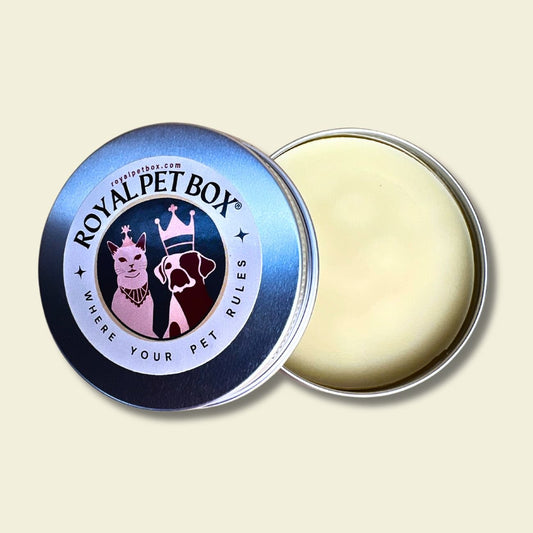
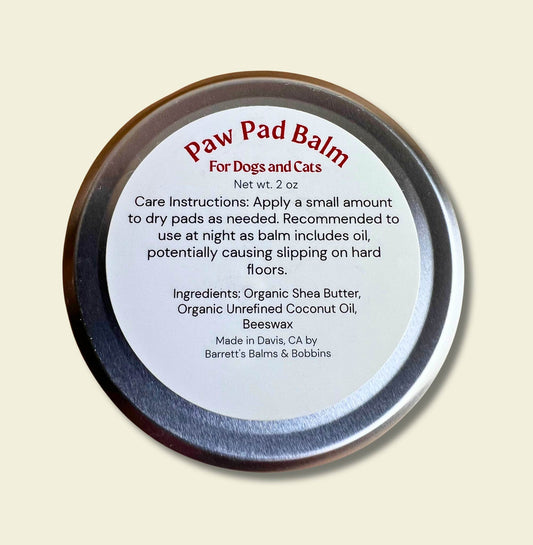
When nails grow too long, they hit the ground with every step and push back into the nail bed, putting pressure on the toe joints. Over time this can change your dog's posture, throw off their gait, and make walking genuinely uncomfortable — especially for senior dogs or those with arthritis. Long nails are also far more likely to snag, split, or tear, which is painful and can bleed a lot. Healthy paws are the foundation of a comfortable, active dog, and a regular trim is part of that picture. While you're caring for the paws, our All Natural Paw Pad Balm helps keep the pads themselves soft and protected, particularly after hot summer pavement or dry winter walks.
A good rule of thumb: if you can hear your dog's nails clicking on a hard floor, they're due for a trim. Most dogs need one every three to four weeks, though active dogs who walk on pavement may naturally wear their nails down and need them less often.
What You'll Need to Trim Your Dog's Nails at Home
You don't need much to get started, but the right gear makes a real difference. Gather these before you begin so you're not fumbling mid-trim:
- Quality clippers or a grinder. Scissor-style clippers suit most dogs; a rotary grinder smooths edges and gives nervous owners more control.
- Styptic powder. This stops bleeding instantly if you nick the quick. Cornstarch works in a pinch.
- High-value treats. Small, soft, and irresistible — these turn the whole experience into something your dog looks forward to.
- Good lighting. Seeing the nail clearly helps you avoid cutting too far.
How to Trim Your Dog's Nails Step by Step
Hold your dog's paw gently but securely and isolate one nail at a time with your fingers. Look for the quick — the pink, sensitive core that contains the blood vessel and nerve. On light-colored nails it's easy to spot; on dark nails, trim in small slices and watch for a chalky white ring with a dark dot in the center, which means you're getting close and should stop.
Clip a small amount at a time, cutting at a slight angle and staying well clear of the quick. Go slowly, praise often, and hand over a treat after each nail. If your dog is anxious, you don't have to finish all four paws in one sitting — doing two nails today and two tomorrow is completely fine and often less stressful for everyone.
What to Do If You Cut the Quick
Even careful owners occasionally nick the quick, and it looks scarier than it is. Stay calm, press styptic powder firmly onto the nail tip for a few seconds, and the bleeding should stop quickly. Offer a treat and give your dog a break before continuing.
If bleeding doesn't stop within a few minutes, or you notice swelling, limping, or signs of infection in the days after, check in with your veterinarian — nail-bed injuries can occasionally need hands-on care, especially if the nail was torn rather than cleanly trimmed.

Building a Stress-Free Nail-Trimming Routine
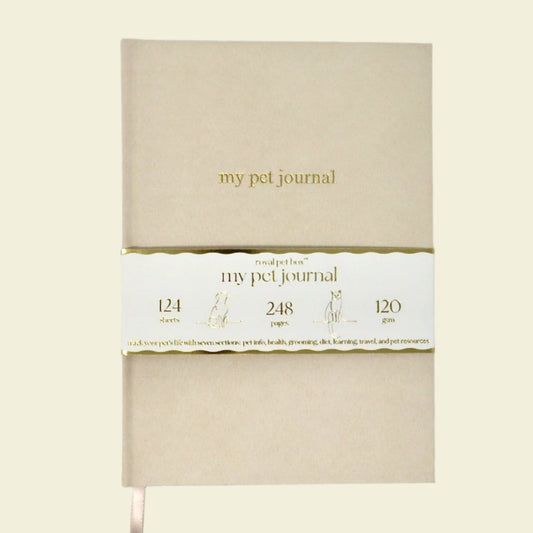
The secret to easy trims is making them feel ordinary. Start by simply touching your dog's paws during cuddle time, rewarding calm behavior, and letting them sniff the clippers without using them. Build up gradually until the tools are no big deal. Keeping a simple record helps too — jotting down when you last trimmed, which paws went smoothly, and what treats worked best lets you spot patterns and stay on schedule. Our My Pet Journal gives you one dedicated place to log grooming, vet visits, and the little behavioral notes that make care easier over time.
Consistency beats perfection. A short, positive session every few weeks will do far more for your dog than an occasional marathon trim. With patience and a pocketful of treats, those clicking nails — and the under-the-bed escape routine — can become a thing of the past.
Check out our luxury pet products at reasonable prices. Visit our "Royal Pet Box Pet TV" Channel on both Roku and YouTube for fabulous pet-related education and entertainment.
Paris Deesing holds a degree in Biological Anthropology from UCLA and provides the editorial review behind each article, drawing on a long-held curiosity about the animals who share our lives.
This article was created using artificial intelligence with human editorial review and oversight.