Fresh Dog Food vs. Kibble: What's Really Best for Your Dog's Bowl?
Paris DeesingStand in the pet-food aisle for five minutes and you will feel the tension: bags of crunchy kibble on one side, refrigerated fresh meals and "gently cooked" rolls on the other. Both promise a healthy, happy dog. So which one actually belongs in your dog's bowl? The honest answer is that fresh dog food and kibble each have real strengths, and the best choice depends on your dog, your routine, and your budget. Here is how they stack up.
Understanding Kibble: The Convenient Standard
Kibble has been the default for good reason. It is shelf-stable, affordable, easy to portion, and formulated to meet established nutritional standards for a complete daily diet. The extrusion process that shapes those crunchy pieces also cooks the ingredients at high heat, which makes the food safe to store for months at room temperature. For many households, a quality kibble delivers balanced nutrition without fuss.
The trade-offs are worth knowing. High-heat processing can reduce some nutrients, which manufacturers add back in after cooking. Cheaper formulas often lean heavily on grain fillers and by-products, so the label matters far more than the price or the packaging. Look for a named protein as the first ingredient and a statement that the food is complete and balanced for your dog's life stage.
What "Fresh Dog Food" Really Means

"Fresh" is a broad label. It can mean refrigerated meals cooked at lower temperatures, human-grade gently cooked food delivered to your door, or homemade bowls you prepare yourself. What these share is minimal processing, recognizable whole ingredients, and higher moisture content, which many dogs find more palatable and which supports hydration. If you are curious about the science and want to cook at home, our recommended The Forever Dog Life Book walks through balanced recipes and longevity-focused feeding without the guesswork.
The catch is that "fresh" does not automatically mean "complete." A bowl of chicken and rice looks wholesome but can be missing essential nutrients over time. Commercial fresh brands that meet complete-and-balanced standards solve this; homemade diets need a properly formulated recipe to avoid slow deficiencies. Fresh food also costs more and requires refrigeration and shorter shelf lives.
Fresh Food vs. Kibble: Weighing the Real Trade-Offs
Cost is usually the deciding factor. Kibble is dramatically cheaper per serving, especially for large or multi-dog homes, while premium fresh delivery can run several times higher. Convenience favors kibble too: scoop, serve, store. Fresh food asks for fridge space, portioning, and a tighter use-by window.
On nutrition and palatability, fresh food often has an edge in moisture and appeal, and picky eaters or dogs with certain sensitivities may do noticeably better on it. But a well-chosen kibble is not a nutritional compromise for most healthy dogs. Many owners land in the middle, using kibble as the base and topping it with a spoonful of fresh food, which can boost interest and moisture while keeping costs manageable. If you go this route, keep the total calories in check so the extras do not lead to weight gain.
How to Choose and Switch Your Dog's Diet Safely

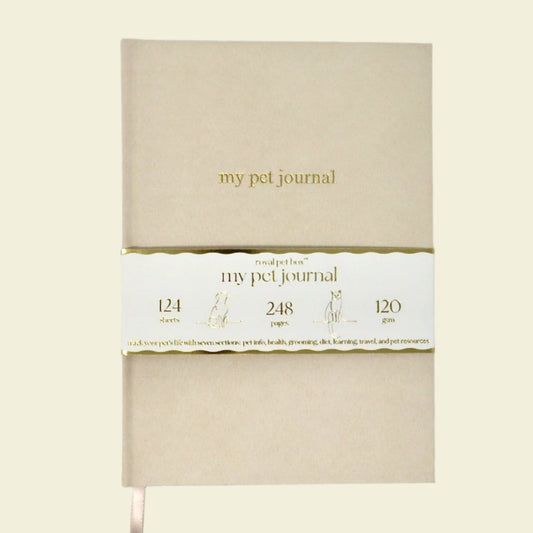
Start with your individual dog rather than the marketing. A young, healthy dog with an iron stomach has more flexibility than a senior with kidney concerns or a pup with food allergies. Whatever you choose, transition slowly over seven to ten days, mixing an increasing amount of the new food into the old to give your dog's gut time to adjust and to spot any digestive upset early. Tracking meals and stool quality makes patterns obvious, and our My Pet Journal gives you a dedicated diet section to log what you feed, how much, and how your dog responds.
Every dog is a little different — before switching diets or building a homemade menu, loop in your veterinarian, especially if your dog has a health condition, is very young or senior, or takes medication, so the plan fits their specific needs.
The Bottom Line for Your Dog's Bowl
There is no single winner here. Kibble wins on cost, convenience, and reliable balance; fresh food wins on moisture, palatability, and minimally processed ingredients. A quality version of either can keep a dog thriving, and a thoughtful mix of the two is a perfectly good answer. Focus on complete-and-balanced nutrition, watch your dog's weight and energy, and let their health guide the bowl.
Check out our luxury pet products at reasonable prices. Visit our "Royal Pet Box Pet TV" Channel on both Roku and YouTube for fabulous pet-related education and entertainment.
Paris Deesing holds a degree in Biological Anthropology from UCLA and provides the editorial review behind each article, drawing on a long-held curiosity about the animals who share our lives.
This article was created using artificial intelligence with human editorial review and oversight.