How Much Sleep Do Pet Birds Need? A Guide to Healthy Rest
Paris DeesingBirds may be some of the most energetic, chatty companions in the house during the day, but their nighttime needs are just as important to their health. If your parrot has been extra nippy, screamy, or moody lately, poor sleep could be the hidden culprit. Understanding how much rest your feathered friend truly needs is one of the simplest ways to keep them happy and thriving.

How Many Hours of Sleep Do Pet Birds Need?
Most pet birds need somewhere between 10 and 12 hours of uninterrupted sleep each night. This mirrors the natural light cycle near the equator, where many companion species originally evolved, with roughly 12 hours of daylight and 12 hours of darkness year-round. Smaller birds like budgies, cockatiels, and finches sit at the higher end of that range, while some larger parrots do well with a solid 10.
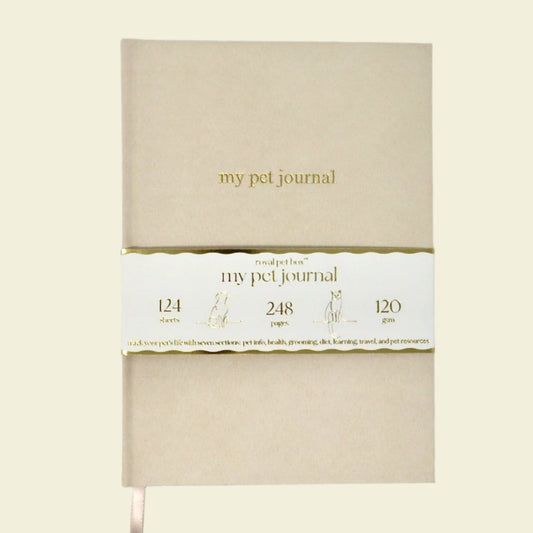
Tracking your bird's rest, mood, and daily routine in one place makes it far easier to spot patterns over time. Our My Pet Journal gives you a dedicated space to log sleep schedules, behavior changes, and vet visits so nothing slips through the cracks.
Why Quality Sleep Matters So Much for Birds
Sleep is not a luxury for birds; it is a biological necessity tied directly to their physical and emotional health. During deep rest, a bird's body repairs tissue, consolidates memory, and regulates the hormones that govern everything from molting to breeding behavior.
Chronically sleep-deprived birds are more prone to stress, a weakened immune system, and hormonal imbalances that can trigger unwanted behaviors. In many species, too much light exposure over long stretches can push a bird into a near-constant breeding state, which brings its own set of health and behavior challenges. Good sleep keeps that delicate system in balance.
Signs Your Bird Isn't Getting Enough Sleep
Birds can't tell you they're exhausted, but their behavior speaks volumes. A well-rested bird is generally calm, curious, and social. A sleep-deprived one often becomes the opposite.
Watch for increased irritability, sudden biting, excessive screaming, or a drop in appetite. Some tired birds become withdrawn and fluffed up for much of the day, while others get frantic and destructive. Feather plucking and other repetitive behaviors can also be linked to poor rest and the stress that comes with it.
Every bird is an individual, so if you notice feather damage, a lasting change in appetite, or lethargy that doesn't improve once sleep is corrected, please loop in an avian veterinarian to rule out an underlying medical issue that needs hands-on care.
How to Create the Perfect Sleep Environment
The best bird bedroom is dark, quiet, and consistent. Because pet birds are sensitive to the rhythms of light, a room that stays bright late into the evening from lamps, screens, or a television can keep them from settling into real rest.
Aim for a predictable bedtime that lands your bird in darkness for 10 to 12 hours. Many owners find that a separate, smaller sleep cage in a spare room works beautifully, giving the bird a calm space away from the busy main living area. Keep the temperature steady and avoid drafts, and try to shield the sleeping spot from sudden noises that could trigger night frights.
Should You Cover Your Bird's Cage at Night?
Covering the cage is a helpful tool for many birds, but it isn't a strict requirement. A breathable, dark cover can block out ambient light and create a sense of security, signaling that it's time to wind down. It can also cut down on drafts and muffle household noise.
That said, some birds feel anxious fully enclosed, and a few are prone to night frights where they thrash in the dark. If your bird startles easily, a small night light nearby or a partially uncovered cage can help them reorient. Pay attention to what settles your individual bird, and build the routine around their comfort.
At the end of the day, healthy rest comes down to consistency: a regular bedtime, a dark and quiet space, and a full 10 to 12 hours of undisturbed sleep. Get those basics right and you'll likely notice a calmer, brighter, more affectionate bird greeting you each morning.
Check out our luxury pet products at reasonable prices. Visit our "Royal Pet Box Pet TV" Channel on both Roku and YouTube for fabulous pet-related education and entertainment.
Paris Deesing holds a degree in Biological Anthropology from UCLA and provides the editorial review behind each article, drawing on a long-held curiosity about the animals who share our lives.
This article was created using artificial intelligence with human editorial review and oversight.