How to Acclimate New Fish to Your Aquarium: Float, Drip, and Quarantine Explained
Paris DeesingYou just carried home a bag of new tetras, and the temptation is enormous: cut the bag, tip them in, watch them explore. Resist it. That shortcut is one of the most common reasons brand-new fish die within a week of arriving. Acclimating fish properly takes fifteen minutes to an hour, costs nothing, and dramatically improves the odds that your new arrivals thrive instead of merely survive.
Why Acclimating New Fish Matters
The water inside a shipping bag is not the same water in your aquarium. Temperature, pH, hardness, and dissolved mineral content can all differ significantly between a store's system and yours. Fish are cold-blooded and their gills sit in direct contact with the water, so an abrupt change hits their entire body chemistry at once. The result is osmotic shock: a stress response that can suppress the immune system for days even when the fish looks fine at first glance.
There is a second, less obvious problem. While a fish sits in a sealed bag, it produces ammonia. In the bag's slightly acidic, carbon-dioxide-rich water, most of that ammonia stays locked up as relatively harmless ammonium. The moment you open the bag, carbon dioxide escapes, the pH climbs, and that ammonium converts into genuinely toxic ammonia. This is why a leisurely, hour-long open-bag float is worse than no float at all.

The Float Method: A Simple Start for Hardy Freshwater Fish
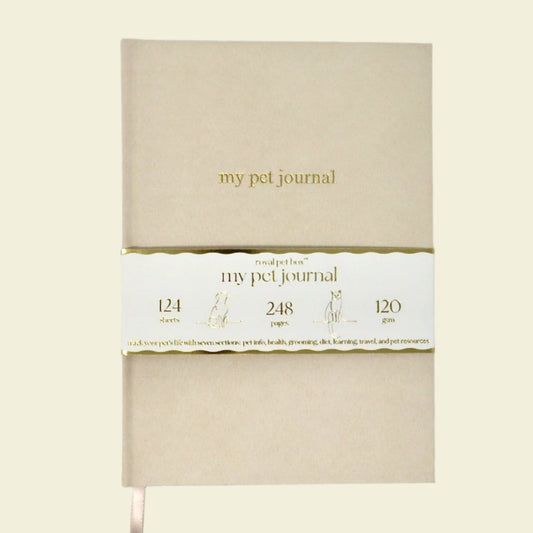
Float acclimation handles temperature and nothing else, which is exactly right for hardy community fish coming from a store with water chemistry similar to yours. Keeping a written record of what you added, when, and what your parameters read that day makes troubleshooting far easier six months later — our My Pet Journal gives you one place to log arrival dates, tank readings, and any symptoms you spot along the way.
Start by turning off the aquarium lights and dimming the room. Float the sealed, unopened bag on the surface of your tank for fifteen to twenty minutes so the temperatures equalize. Then open the bag, net the fish out, and release them into the tank. Discard the bag water down the sink — never pour it in. That water carries store ammonia, waste, and potentially pathogens you have no reason to introduce.
The Drip Method: Slow and Steady for Sensitive Species
Some animals need chemistry matched, not just temperature. Shrimp, snails, wild-caught species, discus, and virtually all saltwater livestock fall into this group. For these, use a drip line: pour the bag contents into a clean bucket or bowl, then siphon tank water into it through airline tubing with a knot or a valve throttling the flow to roughly two to four drops per second.
Let it run for forty-five to sixty minutes, until the volume in the bucket has roughly doubled or tripled. Then net the animals out and place them in the tank, leaving the mixed water behind. Keep the bucket somewhere warm — a small volume of water on a cold floor loses heat fast.
These timings are general starting points for common aquarium species — a fish that arrives already stressed, or one shipped from very different water, may need a gentler, longer approach than the numbers above.
Quarantine: The Step Most Beginners Skip
Acclimation protects the new fish. Quarantine protects everyone already in your display tank. A bare ten- or twenty-gallon tank with a sponge filter, a heater, and a few PVC hiding spots is enough. Keep new arrivals there for two to four weeks and simply watch them.
What you are watching for is subtle: white salt-grain spots that suggest ich, frayed or reddened fin edges, cloudy eyes, rapid gilling, flashing against decor, stringy white waste, or a fish that hangs back at feeding time. Catching any of these in a small isolated tank is a minor inconvenience. Catching them after the fish has spent a week in your main display is a much bigger project.
If you do see signs of illness, resist the urge to dose the tank with whatever the shelf recommends — an aquatic veterinarian can help identify what you are actually treating, and many common medications are dangerous to invertebrates or to fish already weakened by shipping stress.
Common Acclimation Mistakes to Avoid
A handful of errors account for most acclimation losses. Pouring bag water into the display tank tops the list. Leaving the bag open and floating for an hour comes next, for the ammonia reason described earlier. Acclimating under bright lights adds unnecessary stress, as does feeding the new fish immediately — give them at least a few hours, ideally until the next day, to settle.
Two more worth naming: adding too many fish at once, which can overwhelm a biological filter that has not scaled up to the new bioload, and skipping a water test before the trip to the store. If your ammonia or nitrite is reading above zero, the tank is not ready for new residents no matter how carefully you acclimate them.
Acclimation is one of those small disciplines that pays off invisibly. You will never know which fish would have died without it — you will only notice, over the years, that your tank is stable, your losses are rare, and your fish reach their full lifespans. Fifteen quiet minutes with the lights off is a very good trade for that.
Check out our luxury pet products at reasonable prices. Visit our "Royal Pet Box Pet TV" Channel on both Roku and YouTube for fabulous pet-related education and entertainment.
Paris Deesing holds a degree in Biological Anthropology from UCLA and provides the editorial review behind each article, drawing on a long-held curiosity about the animals who share our lives.
This article was created using artificial intelligence with human editorial review and oversight.