How to Help a Shy Guinea Pig Come Out of Its Shell
Paris DeesingBring home a new guinea pig and you might expect instant cuddles — but plenty of these little animals spend their first weeks (or months) frozen in a corner, bolting at every footstep, or hiding the second the cage door opens. A shy guinea pig isn't broken or unfriendly. It's a prey animal doing exactly what its instincts tell it to do: stay small, stay quiet, stay safe. The good news is that trust with a skittish guinea pig is built in small, repeatable steps, and most pigs come out of their shell faster than owners expect once the right groundwork is in place.
Why Some Guinea Pigs Stay Shy
Guinea pigs are prey animals, and their nervous systems are wired around avoiding predators — which, from their point of view, includes large hands reaching into their space. Some pigs are simply more cautious by temperament, while others arrive shy because of a rough start: a noisy pet store, a long car ride, an unfamiliar home full of new smells and sounds. Age matters too — a guinea pig that wasn't handled gently as a baby may need extra time to learn that hands aren't something to fear. None of this means your pig will always be this way. It just means trust has to be earned on the guinea pig's timeline, not yours.
Setting Up a Safe, Predictable Space
Before you focus on bonding, focus on the environment. A shy guinea pig needs a cage that feels like a safe home base rather than an exposed stage — plenty of hiding spots (tunnels, igloos, or simple cardboard boxes work great), a consistent feeding and cleaning schedule, and a quiet location away from loud TVs, slamming doors, or curious dogs and cats. Guinea pigs thrive on predictability; when the same things happen at the same times each day, the world starts to feel less threatening. Resist the urge to rearrange the cage often — for a nervous pig, a familiar layout is part of what makes a space feel safe.
Building Trust Through Food and Routine

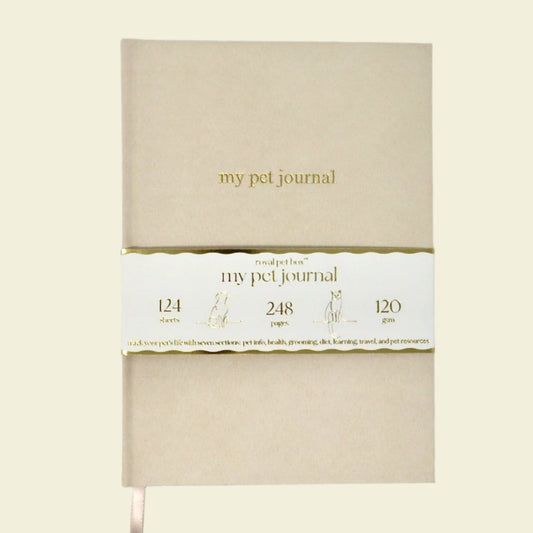
Food is the fastest, gentlest bridge between you and a nervous guinea pig. Start by simply sitting near the cage at the same time each day, talking softly, and offering a small piece of cilantro, bell pepper, or romaine through the bars. Don't reach in yet — let your pig come to the food on its own terms. Over days or weeks, you can gradually move the treat closer to your open palm, then rest your hand flat in the cage with food on it, letting curiosity do the work. Because progress can be slow and easy to lose track of, it helps to jot down small wins — the day your pig first took a treat from your fingers, or the first time it didn't bolt when you opened the cage. Our My Pet Journal gives you a simple place to log those milestones alongside feeding notes and vet visits, so you can look back and actually see how far your pig has come.
Reading Your Guinea Pig's Body Language
Bonding goes faster when you learn to read what your guinea pig is already telling you. A pig that freezes, presses flat against the floor, or lets out a sharp "wheek" of alarm is communicating that something feels too fast or too close — that's your cue to slow down, not push forward. On the other hand, soft purring sounds, relaxed popcorning hops, gentle nibbling on your fingers, or simply choosing to sit near you are all small but meaningful signs of growing comfort. Learning to notice these cues helps you work with your guinea pig's pace instead of against it, which builds trust far more quickly than forcing interaction ever could.
When to Expect Progress (and When to Get Help)
Every guinea pig moves at its own speed — some warm up within a couple of weeks, while others, especially older or previously under-socialized pigs, may take a few months of quiet, consistent effort. Short, frequent sessions (a few minutes, several times a day) tend to work better than long ones that overwhelm a nervous animal. If your guinea pig seems persistently fearful, stops eating normally, or shows signs of stress that don't ease with time and gentle handling, it's worth checking in with a vet experienced in small mammals — sometimes what looks like shyness is actually discomfort or illness that needs attention.
Every guinea pig carries its own history and personality, so what counts as "quick progress" for one pig might look completely different for another — a vet familiar with small mammals can help you tell the difference between ordinary shyness and something that needs a closer look.
Patience is really the whole secret here. A guinea pig that learns hands mean treats, soft voices, and a safe routine — rather than sudden movement and noise — will, in its own time, start choosing to come closer. That shift, however small it looks at first, is the beginning of real trust, and it's worth every quiet afternoon spent earning it.
Check out our luxury pet products at reasonable prices. Visit our "Royal Pet Box Pet TV" Channel on both Roku and YouTube for fabulous pet-related education and entertainment.
Paris Deesing holds a degree in Biological Anthropology from UCLA and provides the editorial review behind each article, drawing on a long-held curiosity about the animals who share our lives.
This article was created using artificial intelligence with human editorial review and oversight.