How to Help Your Overweight Cat Lose Weight Safely
Paris DeesingIf your cat has gone from sleek to a little round, you are not alone — more than half of pet cats in the United States are estimated to be overweight or obese. The good news is that helping an overweight cat lose weight is very doable with a steady, patient plan. The key word is safely: cats cannot crash-diet the way people sometimes do, so the goal is slow, consistent progress that protects your cat's health every step of the way.
Is Your Cat Actually Overweight? How to Tell
Before you change anything, it helps to know where your cat stands. Run your hands gently along your cat's sides — you should be able to feel the ribs under a thin layer of fat, without them being sharply visible. Looking down from above, a healthy cat has a slight waist behind the ribs. From the side, the belly should tuck up rather than hang or sway. If the ribs are hard to find, the waist has disappeared, or there is a swinging belly pad that is firm rather than the soft primordial pouch, your cat is likely carrying extra weight. Many vets use a nine-point body condition score, and your clinic can show you exactly where your cat lands.
Why Feline Weight Gain Matters for Your Cat's Health
Extra weight is not just a cosmetic issue. Overweight cats face a much higher risk of diabetes, arthritis, urinary problems, and fatty liver disease, and they often groom less, which leads to mats and skin trouble. Even a small amount of excess weight on a ten-pound frame is significant — picture how much a single extra pound is on such a small animal. Slimming your cat down can add healthy, comfortable years to their life and make everyday movement easier on their joints.

How to Help Your Cat Lose Weight Through Diet
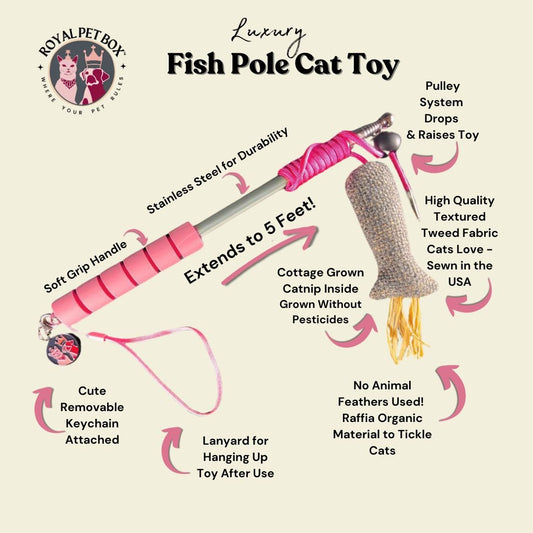
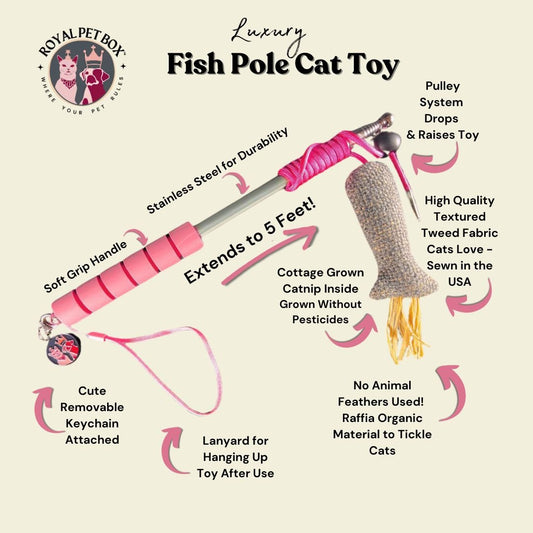
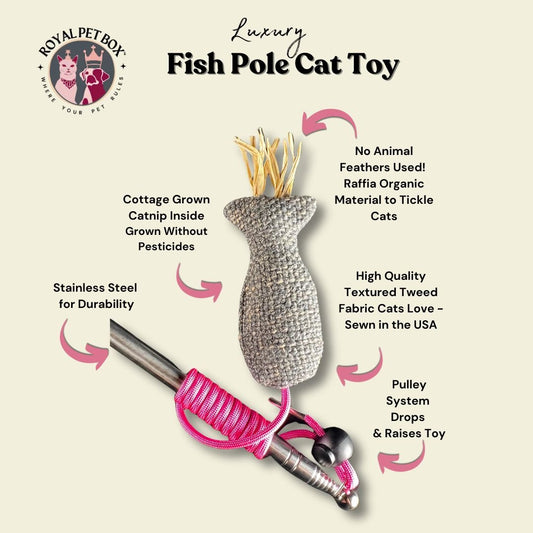
Diet does most of the heavy lifting in feline weight loss. Start by measuring every meal with an actual measuring cup or a kitchen scale instead of free-feeding from a bottomless bowl. Many cats do well on a portion-controlled, higher-protein diet, and switching some or all of their food to wet food can help, since canned food is more filling for fewer calories. Cut back gradually rather than all at once, and split the daily ration into several small meals so your cat never feels starved. A puzzle feeder or a wand toy like the Luxury Extendible Fish Pole Cat Toy can also turn a few minutes of hunting into a meal-time ritual, which slows down fast eaters.
These portion guidelines are starting points for a healthy adult cat — your vet can calculate the exact daily calories for your cat's target weight, age, and any health conditions, which matters a lot when cats are involved.

Getting Your Cat Moving: Exercise and Play for Weight Loss
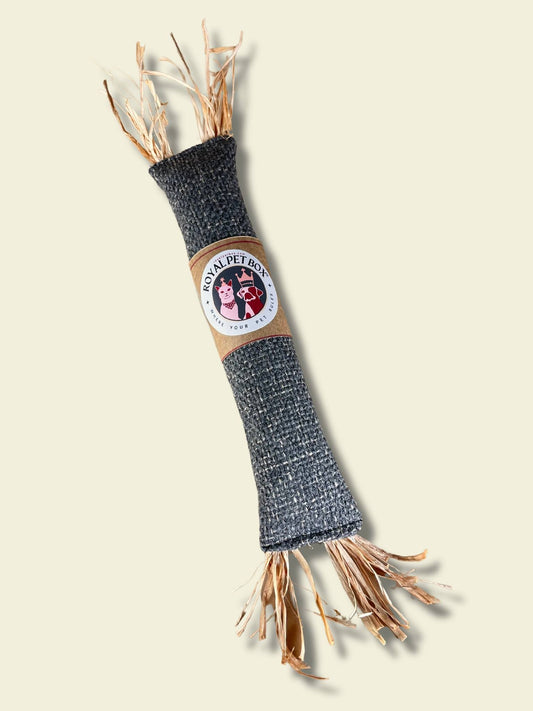
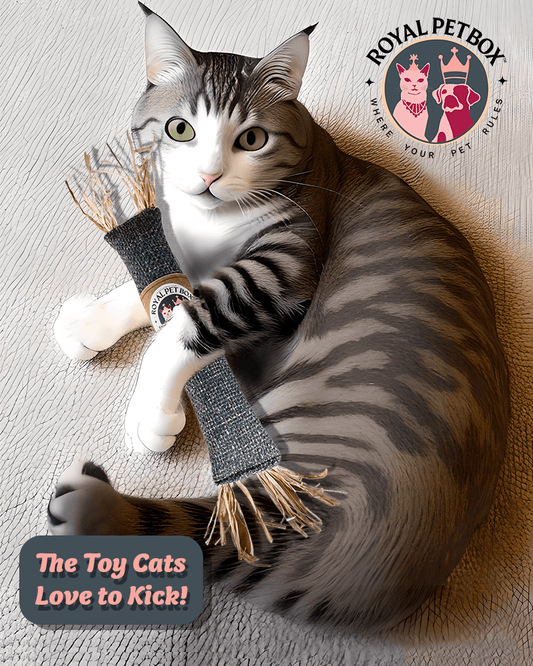
Calories out matter too, and for cats that means play. Indoor cats often coast through the day with little reason to move, so it is up to you to bring out their inner hunter. Aim for a few short, lively sessions a day with a wand toy, a laser pointer (always ending on a real toy they can catch), or a ball they can chase down a hallway. A sprinkle of Organically Grown Catnip on a toy or scratcher can spark even a couch-loving cat into a burst of activity. Place food bowls upstairs or across the house so your cat has to walk to eat, and rotate toys so novelty keeps things interesting.

Tracking Progress and Knowing When to Call the Vet
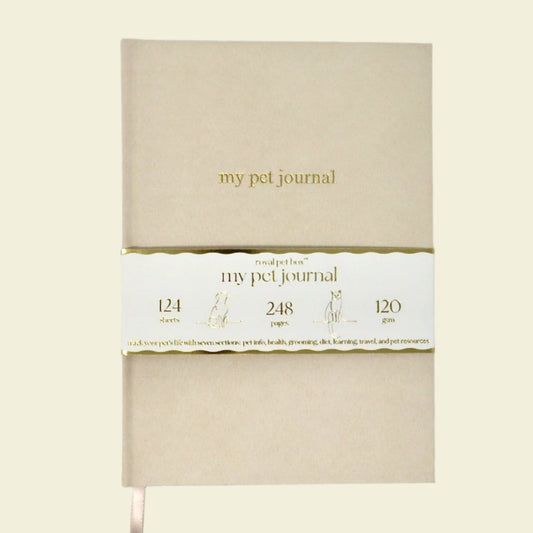
Weight loss in cats should be slow — roughly half a percent to one and a half percent of body weight per week is a common target. Weigh your cat every week or two on a baby scale and write the numbers down so you can see the trend. Our My Pet Journal gives you a dedicated space to log weigh-ins, food portions, and vet visits all in one place, which makes it easy to spot whether the plan is working. Celebrate small wins, and do not be discouraged if progress is gradual — slow is exactly what you want.
One important caution with cats specifically: never starve an overweight cat or let them lose weight too quickly. Rapid weight loss can trigger a dangerous liver condition called hepatic lipidosis, so if your cat stops eating for more than a day or drops weight faster than expected, contact your vet right away.
Helping an overweight cat slim down is a marathon, not a sprint. With measured meals, daily play, and steady tracking, most cats can reach a healthier weight over a few months — and you will likely notice a more playful, comfortable companion along the way. Pair patience with your vet's guidance, and you are giving your cat one of the best gifts there is: more good years together.
Check out our luxury pet products at reasonable prices. Visit our "Royal Pet Box Pet TV" Channel on both Roku and YouTube for fabulous pet-related education and entertainment.
Paris Deesing holds a degree in Biological Anthropology from UCLA and provides the editorial review behind each article, drawing on a long-held curiosity about the animals who share our lives.
This article was created using artificial intelligence with human editorial review and oversight.