How to Introduce a Dog and a Cat: A Step-by-Step Plan for a Peaceful Home
Paris DeesingBringing a dog and a cat under the same roof is less about whether they will become friends and more about how carefully you manage the first two weeks. Rushed introductions create bad impressions that take months to undo. A slow, structured plan produces two animals who calmly share a home — and sometimes genuinely enjoy each other.
Why Dog and Cat Introductions Need a Plan
Dogs and cats read body language very differently, and that mismatch causes most failed first meetings. A dog's bouncy, tail-high approach is friendly in dog language but reads as a threat to a cat. A cat's frozen posture and twitching tail mean back off — yet to many dogs, a small animal holding still and then bolting looks like an invitation to chase.
First impressions also stick. One chase down a hallway teaches the cat that the dog is dangerous and teaches the dog that chasing is thrilling — two lessons far harder to reverse than to prevent.
Set Up Separate Territory Before Anyone Meets
Before the new pet walks in, give them a dedicated "base camp" room with a closed door: food, water, a bed, hiding spots, and, for a cat, a litter box well away from the food. The resident pet keeps the rest of the house.
At the same time, build the cat's escape architecture. Cats feel safest going up, so add a cat tree and perches in every room the dog uses. A tall baby gate — ideally with a pet door, or set a few inches off the floor so the cat can slip under — gives the cat an exit the dog cannot follow. Never plan to let them "work it out on their own."
Start With Scent, Not Sight
For the first two to three days, keep them fully separated and let them meet by smell. Swap bedding between the spaces, or rub a soft towel along one animal's cheeks and leave it where the other sleeps. Rotate which animal has run of the house so each explores the other's scent without a confrontation.
The most useful trick here is feeding on opposite sides of the closed door. Put both bowls down at once, a few feet back at first, then closer each day — you are teaching both animals that the other one's smell predicts something good.

Move to Controlled Visual Introductions
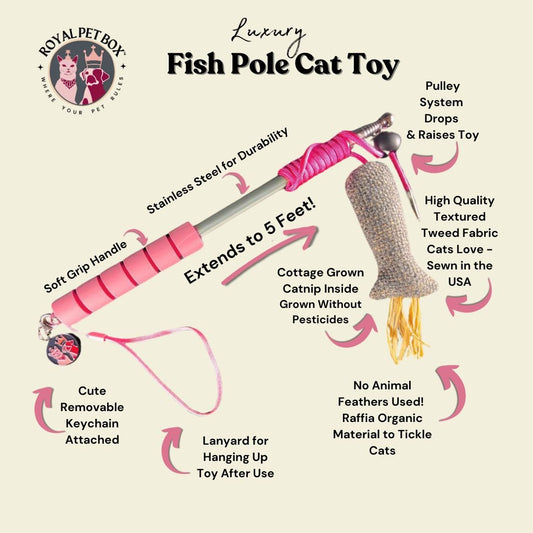
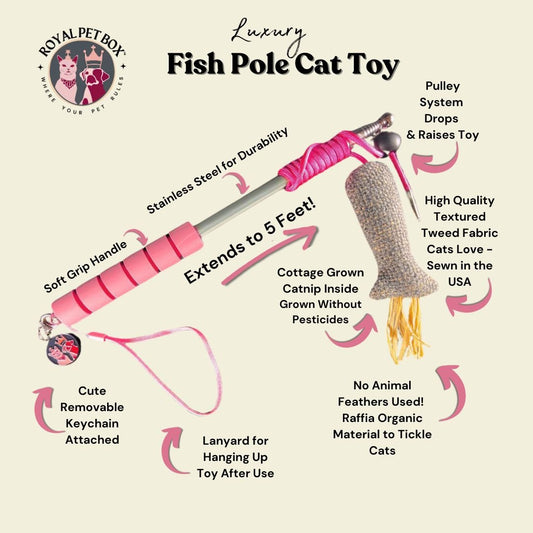
When both pets eat calmly at the door, let them see each other through a barrier — a baby gate, a screen door, or a door wedged a few inches open. Keep sessions to five minutes and end while everyone is still relaxed. Pair the sight of the dog with something the cat loves: a cat chasing a feather is a cat not thinking about the dog. Our Luxury Extendible Fish Pole Cat Toy extends far enough to play from a safe distance while the barrier stays between them.
On the dog's side, reward calm. Every time the dog glances at the cat and then looks back at you, mark it and treat. That single habit — look, disengage, check in — is the foundation of a dog who can live with a cat.

The First Leashed Meeting in the Same Room
Once barrier sessions are boring, drop the barrier but keep the dog on a leash and well-fitted harness, with the cat free to move, hide, or leave. A harness gives you control without pressure on the dog's throat if they lunge — our recommended Dog Harness Collar and Leash keeps that first meeting steady and low-drama.
Two rules matter most. Never restrain the cat — a cat who cannot escape escalates straight to defense. And never let the dog approach directly; keep the dog busy with you, taking treats and easy cues, while the cat decides how close to come. Five to ten minutes a day beats one long, tense session.

Track Progress and Read the Signals
Progress is easy to misjudge day to day, so write it down: how long each session ran, how close the cat came, how quickly the dog settled. Our My Pet Journal gives you one place to log those sessions alongside meals and vet visits, so you can see the trend instead of guessing.
Green flags: a loose dog who breaks eye contact on their own, and a cat who eats, grooms, or naps in the same room. Red flags: a dog who fixates, stiffens, or stalks; a cat with flattened ears, a puffed tail, sustained growling, or one who hides for days.
A cat who stops eating for more than 24 hours is a medical concern, not just a stress signal — liver problems can develop quickly when a cat skips meals, so call your veterinarian rather than waiting it out. The same goes for sudden litter box avoidance, which can point to a urinary issue as easily as to household tension.
How Long Does It Take?
Most pairs need two to six weeks before sharing unsupervised space, though some settle in days and others take months. Breed matters: sighthounds, terriers, and herding breeds with strong chase instincts need a longer process and lifelong management around the cat.
It also helps to lower the bar. Peaceful indifference — a dog who ignores the cat and a cat who no longer flees the room — is an excellent outcome; curled-up friendship is a bonus, not the goal. Go at the pace of whichever animal is more worried and let the relationship build on its own schedule.
Check out our luxury pet products at reasonable prices. Visit our "Royal Pet Box Pet TV" Channel on both Roku and YouTube for fabulous pet-related education and entertainment.
Paris Deesing holds a degree in Biological Anthropology from UCLA and provides the editorial review behind each article, drawing on a long-held curiosity about the animals who share our lives.
This article was created using artificial intelligence with human editorial review and oversight.