How to Keep Rabbits, Guinea Pigs, and Chinchillas Cool in Hot Weather
Paris DeesingWhen summer heat rolls in, most pet owners think about panting dogs and hot pavement. But the pets most at risk in a warm house are often the smallest ones. Rabbits, guinea pigs, and chinchillas are all built for cool climates, and they can slide from uncomfortable into a genuine emergency at temperatures that feel merely warm to us.
Why Small Mammals Overheat So Easily

Rabbits, guinea pigs, and chinchillas cannot sweat the way we do, and they cannot pant efficiently the way a dog can. Their main cooling tool is blood flow to the ears and, to a lesser extent, simple behavior — stretching out, seeking shade, going still. That is a thin margin when the room itself is hot.
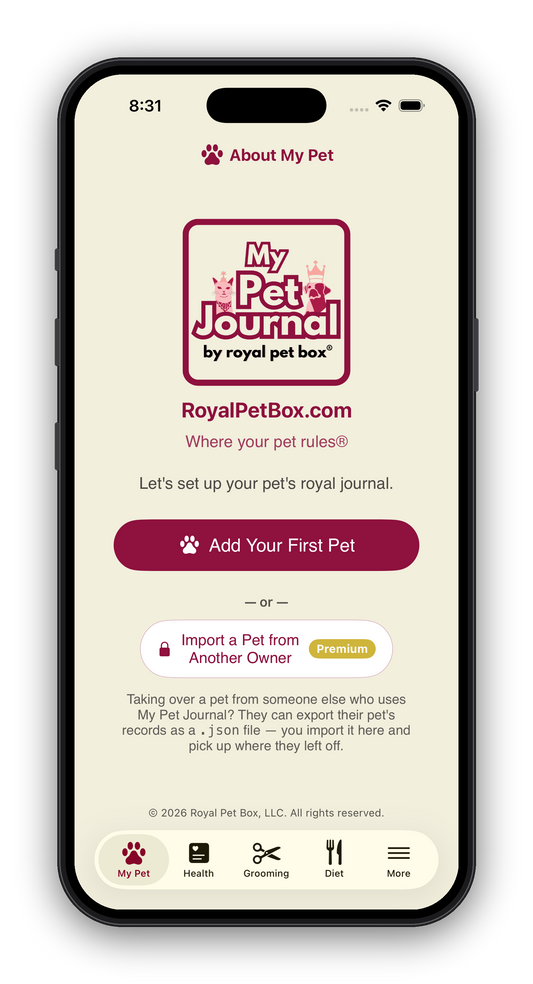
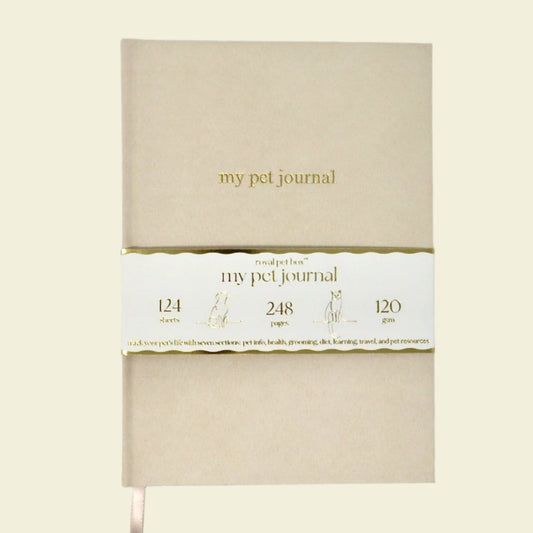
Dense coats make it harder still. A chinchilla grows dozens of hairs from every follicle, which is wonderful insulation in the high Andes and a serious liability in a warm apartment. Guinea pigs are stocky and low to the ground, so they sit in the warmest, stillest layer of air in the room. Rabbits shed heat almost entirely through their ears, which is why lop-eared breeds and small-eared breeds struggle sooner than the big-eared ones. Tracking your pet's summer behavior in our My Pet Journal makes it much easier to spot the pattern — the day they stopped eating hay, the week they started sprawling on the cage floor — before it turns into a vet visit.
Safe Temperature Ranges for Rabbits, Guinea Pigs, and Chinchillas
Each species has its own comfort window, and each one is cooler than most homes in August:
- Rabbits: happiest around 60–70°F (15–21°C). Above roughly 77°F (25°C) they begin to struggle, and sustained heat above 85°F (29°C) is dangerous.
- Guinea pigs: comfortable around 65–75°F (18–24°C). Above 80°F (27°C) heat stress becomes a real risk.
- Chinchillas: the most heat-sensitive of the three. Keep them below 70°F (21°C) whenever possible; above 75°F (24°C) is genuinely risky.
Humidity matters as much as the thermometer. Chinchilla keepers often use a simple heat index: add the temperature in Fahrenheit to the relative humidity percentage, and keep the total under about 150. An 80°F room at 70 percent humidity is far more dangerous than 80°F at 30 percent.
These ranges are general guidance for healthy adult animals — a senior rabbit, a pregnant guinea pig, or a pet with heart or respiratory issues will have less tolerance, and your exotics vet can tell you where your own animal's line sits.
Early Signs of Heat Stress in Small Pets
Heat stress rarely announces itself. It creeps in, and the earliest signals are easy to mistake for a lazy afternoon. Watch for:
- Lying stretched flat out, belly pressed to the floor, instead of the usual tucked loaf
- Fast, shallow breathing, or visible movement of the flanks
- Hot ears — especially bright red ears in a chinchilla, which is a classic warning
- Drooling or a damp chin and chest
- Reluctance to move, dropped appetite, or ignoring a favorite treat
- Wobbliness, head tilting back, or unresponsiveness — these are late signs and an emergency
A rabbit that has stopped eating in the heat is an urgent problem for a second reason: appetite loss can tip into gut stasis within hours.
If your pet is breathing hard, unsteady, or refusing food, treat it as time-sensitive and call an exotics-experienced veterinarian rather than waiting to see if the evening cools things down.
How to Cool a Room Without Air Conditioning
Air conditioning is the simplest answer, but plenty of homes do not have it. These low-tech measures make a real difference:
- Move the enclosure. Away from windows, out of direct sun, off the top floor if you have a choice. Ground floors and interior rooms stay several degrees cooler.
- Close blinds early. Blocking morning sun keeps a room cooler all day than trying to cool it down at 4 p.m.
- Frozen water bottles. Fill a plastic bottle, freeze it, wrap it in a thin towel, and set it in the cage. Your pet will lean against it when they want to and move away when they do not. Rotate two bottles so one is always frozen.
- Ceramic or marble tiles. A chilled tile gives a cool surface to sprawl on and costs almost nothing.
- Fans for air movement, not aimed at the pet. Point a fan across the room or at a frozen bottle rather than blowing directly on your animal.
- Cool, fresh water everywhere. Refill more often in hot weather and consider adding a heavy bowl alongside a bottle, since most small mammals drink more readily from an open bowl.
- Water-rich greens. Chilled romaine, cilantro, or cucumber slices add hydration and give a bored, hot pet something to do.
One caution for chinchillas: keep dust baths short and skip them entirely on the hottest days, since rolling is vigorous exercise and dust plus humidity is a poor combination for their lungs.
What to Do If Your Pet Overheats
If you find an animal that is limp, breathing hard, or hot to the touch, act quickly but gently. Move them to the coolest room in the house. Lightly dampen the ears and feet with cool — not ice-cold — water, and offer water to drink if they are alert enough to take it. Never plunge a small pet into cold water or pack them in ice; the temperature shock can cause the blood vessels to constrict and make things worse.
Then call your vet, even if the animal seems to be recovering. Heatstroke damage can continue for hours after the body temperature comes down, and small mammals hide illness well enough that a calm-looking rabbit may still be in trouble.
Building a Hot-Weather Routine
The owners who get through summer without a scare are usually the ones who made cooling automatic. Put a cheap digital thermometer with a humidity readout right next to the enclosure, not across the room, and check it every morning and every evening. Freeze the bottles the night before a hot day. Note appetite and droppings daily, because a change there is often the first hard evidence that the heat is taking a toll.
Rabbits, guinea pigs, and chinchillas were never designed for a warm house, but they do beautifully in one when we plan for it. A few degrees of prevention — a shaded corner, a frozen bottle, a cool tile, and a habit of really looking at your pet each day — is nearly always enough to carry them comfortably through to fall.
Check out our luxury pet products at reasonable prices. Visit our "Royal Pet Box Pet TV" Channel on both Roku and YouTube for fabulous pet-related education and entertainment.
Paris Deesing holds a degree in Biological Anthropology from UCLA and provides the editorial review behind each article, drawing on a long-held curiosity about the animals who share our lives.
This article was created using artificial intelligence with human editorial review and oversight.