How to Stop Your Dog From Pulling on the Leash: A Calm, Step-by-Step Guide
Paris DeesingA walk should be the best part of your dog's day, but a dog that drags you down the sidewalk can turn it into a workout you never signed up for. The good news: leash pulling is one of the most fixable dog behaviors out there. With a little patience and the right approach, you can teach your dog to walk politely on a loose leash, no choking, lunging, or sore shoulders required.
Why Dogs Pull on the Leash (and Why It's So Hard to Stop)
Dogs don't pull to be stubborn or "dominant." They pull because it works. The world is full of fascinating smells, squirrels, and other dogs, and your dog quickly learns that leaning into the leash gets them there faster. Every time pulling is rewarded with forward motion, the habit gets a little stronger.
Dogs also naturally walk faster than we do, and they have an instinct called the "opposition reflex": when they feel pressure on the leash, they instinctively push against it. That's why yanking back usually makes pulling worse, not better. The fix isn't more force, it's changing what pulling earns them.

Start With the Right Loose-Leash Walking Gear
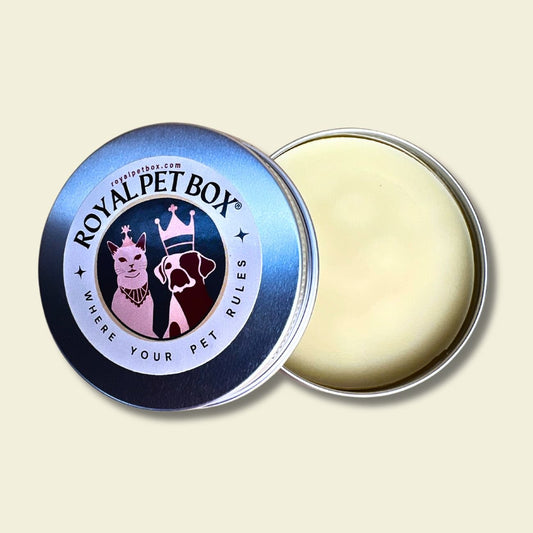
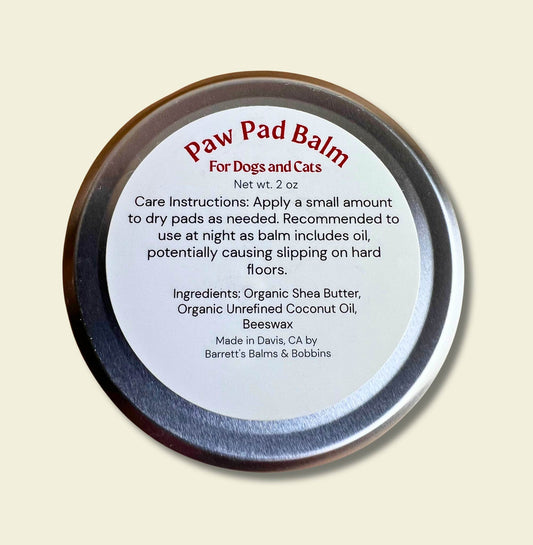
Good equipment makes training dramatically easier. A standard four- to six-foot flat leash gives you control without encouraging a sprint, while a front-clip harness or a well-fitted head halter gently redirects a hard puller without putting pressure on the throat. Skip retractable leashes during training, since they teach your dog that pulling extends their range. Daily pavement and trail walks can also be tough on paw pads, so a protective balm like our All Natural Paw Pad Balm helps keep paws conditioned through warm summer sidewalks and rough terrain, so your dog stays comfortable enough to focus on learning. (Never walk your dog when the sidewalk or pavement is hot.)
Bring high-value treats, too. Small, soft, smelly rewards your dog only gets on walks will out-compete most distractions when you're first building the habit.
The Core Method: Reward Position, Not Pulling
The single most powerful rule of loose-leash walking is this: the leash stays loose, or the walk stops. When your dog pulls, simply stop moving. Stand still like a tree and wait. The moment the leash slackens and your dog looks back at you, praise them, reward, and move forward again. You're teaching a simple lesson: a tight leash means we go nowhere, a loose leash means the walk continues.
Reward your dog generously whenever they're walking near your side. Many owners only react to the pulling and ignore the good moments, but catching your dog doing it right is what builds a lasting habit. Mark that nice position with a cheerful "yes!" and a treat.

A Step-by-Step Leash Training Routine
Start indoors or in your backyard where distractions are low, then gradually work up to busier streets. Begin by rewarding your dog for standing calmly beside you, then take one step and reward them for following. Build up to a few steps, then a few yards, always paying for the loose leash. Keep sessions short and upbeat, five to ten minutes is plenty for a young or excitable dog. Tracking your progress helps you see real patterns: jotting notes in our My Pet Journal lets you log which routes, rewards, and times of day bring out your dog's best walking, so you can build on what's working.
Use direction changes to keep your dog tuned in. If they forge ahead, calmly turn and walk the other way, rewarding them when they catch up to your side. This teaches your dog to pay attention to you rather than tow you toward the next distraction.
Troubleshooting Common Leash-Pulling Problems
If your dog only pulls toward specific triggers, like other dogs or the park, you're working against a powerful reward. Increase distance from the trigger, reward heavily for calm attention, and slowly close the gap over many sessions. Consistency matters more than any single walk, so make sure everyone in the household follows the same rules.
If a normally relaxed walker suddenly starts straining, refusing to move, or pulling toward home, it's worth ruling out discomfort before assuming it's a training issue. Sore joints, paw irritation, or an ear infection can all change how a dog moves on leash, and a quick vet check can rule out anything physical that needs attention.
Above all, stay patient. Loose-leash walking is a skill that takes weeks of consistent practice, not a single afternoon. Celebrate the small wins, keep your sessions positive, and soon those daily walks will become the relaxing, connected time with your dog they were always meant to be.
Check out our luxury pet products at reasonable prices. Visit our "Royal Pet Box Pet TV" Channel on both Roku and YouTube for fabulous pet-related education and entertainment.
Paris Deesing holds a degree in Biological Anthropology from UCLA and provides the editorial review behind each article, drawing on a long-held curiosity about the animals who share our lives.
This article was created using artificial intelligence with human editorial review and oversight.