How to Trim Your Cat's Claws Without the Drama: A Gentle At-Home Guide
Paris DeesingFew grooming tasks make cat owners more nervous than trimming claws. One wrong move and your calm companion becomes a wriggling ball of protest — or worse, you nick the sensitive quick. The good news? With the right approach, trimming your cat's claws at home can be quick, calm, and even routine. Here's how to make nail time a stress-free part of your cat's care.
Why Trimming Your Cat's Claws Matters
Cats' claws grow continuously, and indoor cats don't wear them down the way outdoor cats do. Overgrown claws can curl inward and press into the paw pad, causing pain, infection, and trouble walking. Long claws also snag on carpet and furniture, and they're far more likely to leave scratches on you. Regular trims keep your cat comfortable, protect your home, and give you a chance to catch paw problems early.

How Often Should You Trim Your Cat's Claws?
Most cats need a claw trim every two to three weeks, though kittens and seniors often need them sooner as their nails grow faster or thicker. Keeping a simple log makes the rhythm obvious — our My Pet Journal gives you one place to note trim dates, paw checks, and any changes, so you're never guessing when the last session was. Watch for clicking on hard floors or claws catching on fabric; those are your cue that it's time.

Getting Your Cat Comfortable With Paw Handling
Success starts long before the clippers come out. Spend a few days gently touching your cat's paws while they're relaxed, pressing softly to extend a claw, then rewarding with a treat. Folding paw handling into a calm grooming routine helps — a few minutes with our Dog & Cat Brush puts most cats in a mellow, trusting mood, which is the perfect moment to introduce paw touches. The goal is to make handling feel ordinary, not alarming.
How to Trim Your Cat's Claws Step by Step
Choose a quiet time when your cat is sleepy and settled — after a meal or a nap is ideal. Hold a paw and press gently on the pad to extend one claw. You'll see the pink quick inside the translucent nail; that's the blood vessel and nerve you want to avoid. Trim only the sharp, clear tip, staying well ahead of the pink, using sharp cat-specific clippers in one smooth motion. If your cat gets restless, do just one or two claws and finish later — you don't need all ten in a single sitting.
The quick is easy to misjudge on dark-colored claws, so trim conservatively and keep styptic powder within reach — if you do nick it and the bleeding hasn't stopped within a few minutes, call your vet to be safe.

Aftercare and Healthy Paws
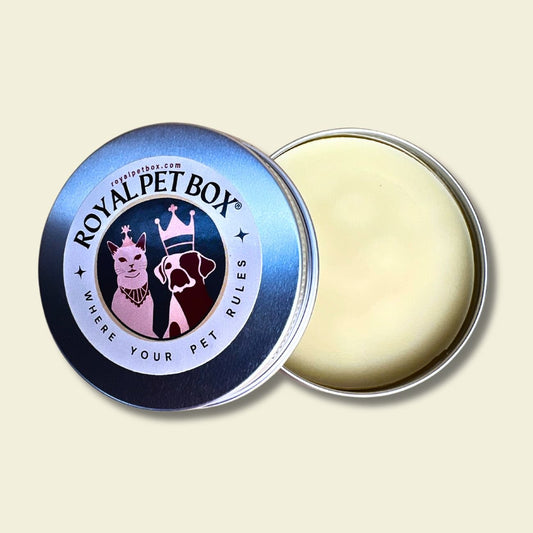
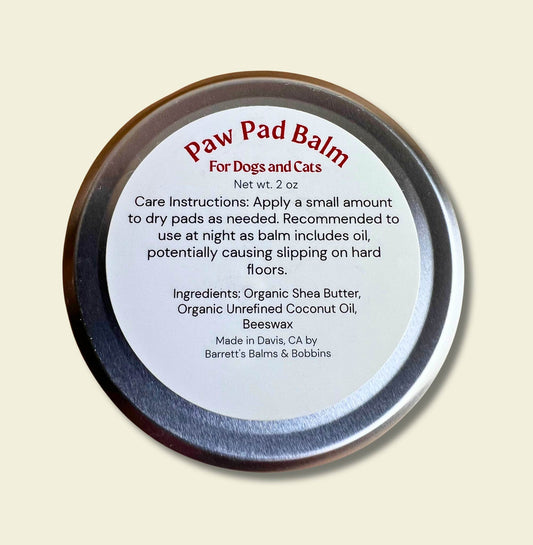
When you're done, reward your cat so the session ends on a high note. It's also a good moment to check the paw pads for cracks or dryness, especially in older cats — our Paw Pad Balm soothes rough pads and keeps them supple. Healthy pads and well-kept claws go together, and a quick post-trim check helps you catch swelling, redness, or a snagged nail before it turns into a bigger problem.
Older cats sometimes develop thickened, brittle claws that overgrow faster than you'd expect — if a nail looks discolored or has grown into the pad, have your vet take a look rather than forcing a trim at home.
Trimming your cat's claws doesn't have to be a battle. Go slow, keep sessions short, pair them with rewards, and always stay ahead of the quick. With a little patience and consistency, nail time becomes just another quiet part of caring for a happy, comfortable cat.
Check out our luxury pet products at reasonable prices. Visit our "Royal Pet Box Pet TV" Channel on both Roku and YouTube for fabulous pet-related education and entertainment.
Paris Deesing holds a degree in Biological Anthropology from UCLA and provides the editorial review behind each article, drawing on a long-held curiosity about the animals who share our lives.
This article was created using artificial intelligence with human editorial review and oversight.