Is Your Cat Avoiding the Litter Box? Causes and Calm Solutions
Paris DeesingFew things test a cat owner’s patience like finding a puddle just outside the litter box. The reassuring news is that litter box avoidance is almost always a solvable problem — not your cat acting out of spite. Cats are fastidious, routine-loving animals, and when one stops using the box, it is communicating that something feels wrong. Here is how to read that message and guide your cat back to reliable habits.

Start With a Vet Visit to Rule Out Medical Causes
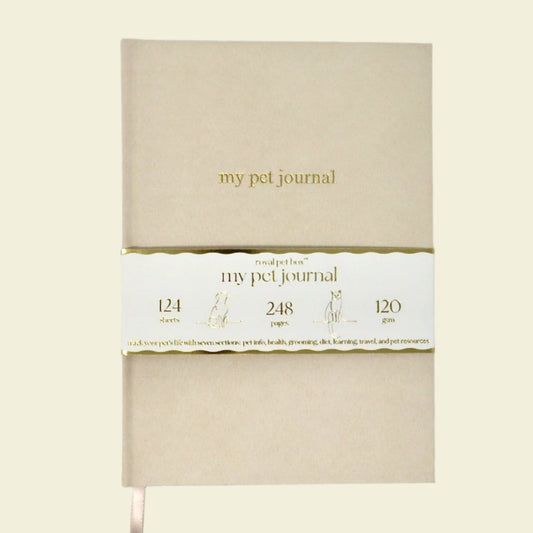
Before you change anything in the home, rule out a health problem — especially if the avoidance came on suddenly. Urinary tract infections, bladder crystals or stones, kidney disease, diabetes, and arthritis can all make using the box painful or urgent. An older cat who suddenly stops climbing into a high-sided box may simply hurt too much to step over the edge. Keeping a written record helps your vet connect the dots: jot down when accidents happen, where, and what the urine or stool looked like. Our My Pet Journal gives you one dedicated place to log accidents, appetite, and vet visits so patterns become obvious.
Straining in the box, frequent tiny trips, blood in the urine, or crying while urinating can signal a blockage — which is a true emergency in male cats especially — so call your vet right away rather than waiting it out.
Keep the Litter Box Cleaner Than You Think You Need To
A dirty box is the single most common reason a healthy cat looks elsewhere. Cats have a far keener sense of smell than we do, and a box that seems "fine" to us can be off-putting to them. Scoop at least once a day, and completely empty, wash, and refill the box with fresh litter on a regular schedule. Skip harsh, heavily scented cleaners — a mild unscented soap and warm water are kinder to a sensitive feline nose.
Box Size, Location, and the One-Plus-One Rule
The box itself matters more than most owners expect. As a rule of thumb, provide one box per cat plus one extra, placed in different parts of the home so no cat can guard them all. Choose a large, open box — ideally about one-and-a-half times your cat’s body length — since many cats feel cramped in small or hooded boxes. Put boxes in quiet, low-traffic spots away from food and water bowls, and make sure a noisy washing machine or a startling door won’t ambush your cat mid-visit. For seniors, a box with a low entry side prevents painful climbing.
Litter Type and Depth: Get the Substrate Right
Most cats prefer a soft, fine-grained, unscented clumping litter at a depth of roughly two to three inches — enough to dig and cover comfortably. Strong floral or perfumed litters are designed for human noses, not feline ones, and can drive a picky cat away. If you want to switch products, do it gradually by mixing the new litter into the old over a week or two, rather than swapping everything at once and surprising your cat.

Address Stress and Territory Triggers
When medical causes and box logistics are ruled out, stress is often the culprit. A new pet or baby, a move, a change in your schedule, or tension between cats in the home can all disrupt bathroom habits. Easing that stress means giving your cat outlets for natural behavior — daily interactive play, vertical perches, and safe spaces to retreat. Enrichment helps too: a sprinkle of our organically grown catnip on a scratcher or mat can give an anxious cat a positive, calming focal point in a room that feels tense.
Every cat copes with change differently — if stress-related avoidance lingers despite a calm, enriched routine, your vet or a feline behaviorist can help rule out subtler issues and build a plan tailored to your cat.
Putting It All Together
Litter box trouble is your cat’s way of asking for help, and the fix usually comes down to working through the list: rule out illness first, keep the box spotless, offer enough roomy boxes in calm spots, choose a litter your cat actually likes, and lower the stress in the household. Tackle these one at a time, watch what changes, and most cats happily return to their box — no mystery, and no blame required.
Check out our luxury pet products at reasonable prices. Visit our "Royal Pet Box Pet TV" Channel on both Roku and YouTube for fabulous pet-related education and entertainment.
Paris Deesing holds a degree in Biological Anthropology from UCLA and provides the editorial review behind each article, drawing on a long-held curiosity about the animals who share our lives.
This article was created using artificial intelligence with human editorial review and oversight.