Is Your Cat Bored? How to Spot the Signs and Bring Back the Fun
Paris DeesingCats are masters of disguise, especially when it comes to boredom. A cat who sleeps most of the day can look perfectly content, but indoor cats are natural hunters with energy and curiosity that need an outlet. When that outlet disappears, boredom quietly sets in, and it often shows up in ways owners mistake for "bad behavior." Learning to recognize a bored cat is the first step toward a calmer, healthier, and far more engaged companion.
What Causes Boredom in Indoor Cats?
Boredom in cats usually comes down to an environment that does not match their instincts. In the wild, a cat spends hours each day stalking, pouncing, climbing, and exploring. Indoors, those same drives can go unused for days at a time. A predictable routine, a lack of vertical space, too few toys, and long stretches alone while the family is at work or school all add up to an understimulated cat. Young, high-energy cats and intelligent breeds tend to feel it most, but even mellow seniors need daily mental and physical engagement to stay content.
Common Signs Your Cat Is Bored
Feline boredom rarely looks like the human version. Instead of sitting around looking glum, a bored cat tends to invent its own entertainment, often at your expense. Watch for these patterns:
- Overgrooming to the point of bald patches or irritated skin
- Excessive meowing, especially for attention
- Knocking objects off shelves and counters
- Pouncing on ankles or roughhousing during play
- Overeating out of sheer lack of anything better to do
- Sleeping even more than the typical 12 to 16 hours a day
One or two of these on an occasional basis is normal cat behavior. A sudden cluster of them, though, often points to a cat who needs more to do.

How to Enrich Your Cat's Daily Routine
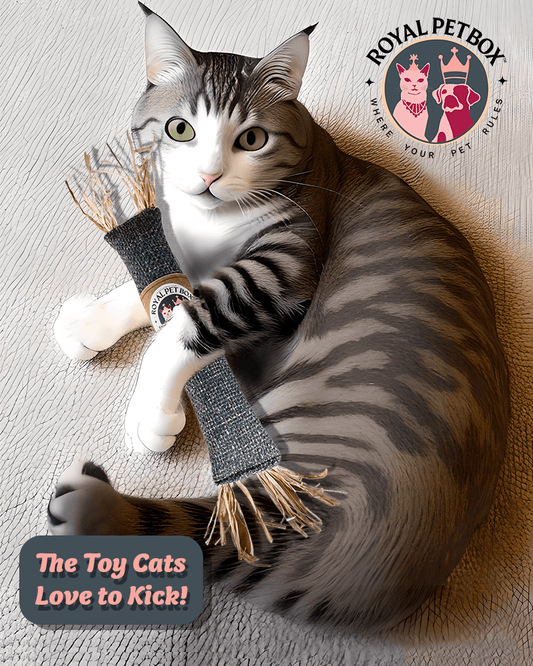
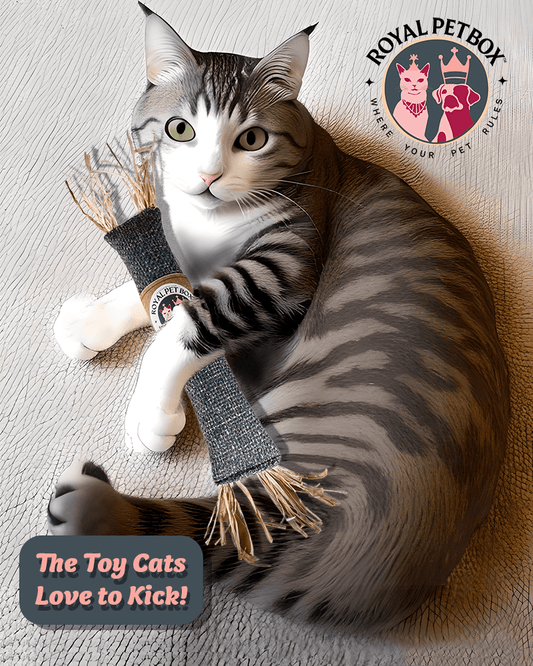
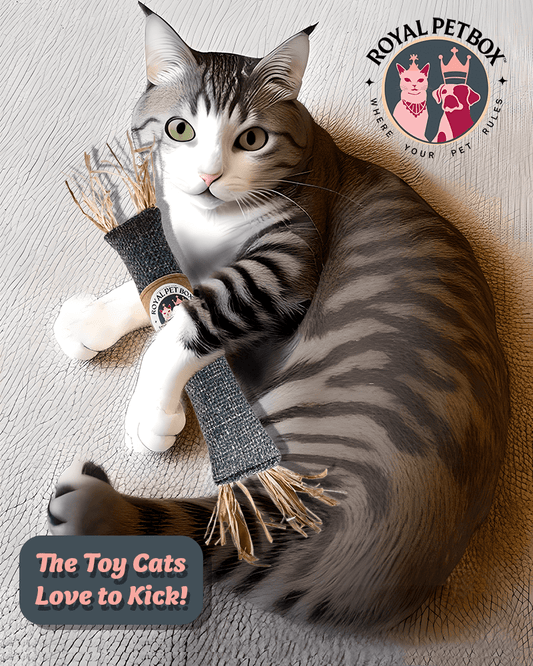
The cure for boredom is enrichment, and small changes go a long way. Rotate a handful of toys so they feel new again, add a cat tree or window perch for vertical territory, and turn mealtime into a hunt with a puzzle feeder. Self-play toys help fill the hours when you are busy. Our Luxury Cat Kicker Toy is built for exactly this kind of solo bunny-kicking play, with silver vine and catnip woven in to keep your cat coming back to it. Even a few cardboard boxes and paper bags rotated through the week can transform a dull afternoon into an adventure.

Interactive Play: The Best Boredom Buster
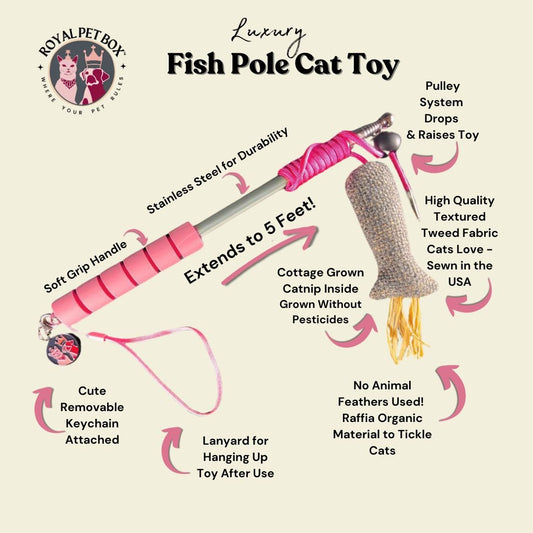
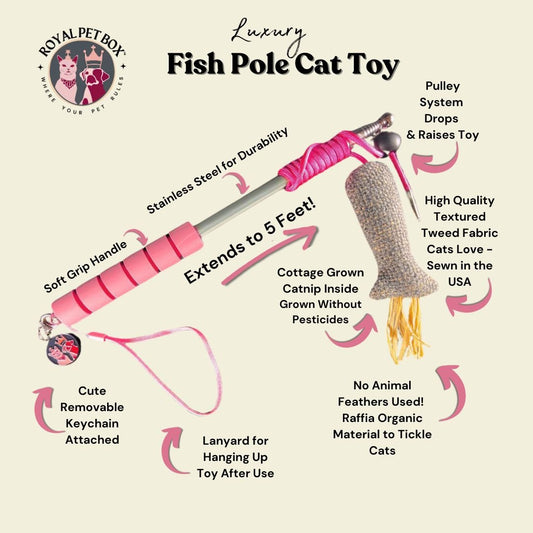
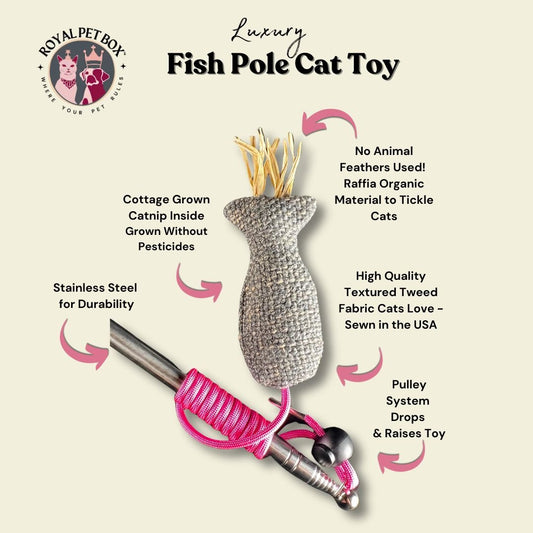
Nothing beats hands-on play for a bored cat, because it lets them act out the full hunt: stalk, chase, pounce, and capture. Aim for two short sessions a day of about 10 to 15 minutes each, moving the toy like real prey that darts, hides, and freezes rather than dangling it in their face. A wand-style toy is ideal here, and our Luxury Extendible Fish Pole Cat Toy extends to give your cat a satisfying long-range chase. Always end a session by letting your cat "catch" the toy so the hunt feels complete, then follow it with a small treat or meal to mimic a natural kill-and-eat cycle.

When Boredom Might Signal Something More
Some of the signs that look like boredom can also point to stress, anxiety, or an underlying medical issue, and the two can be hard to tell apart. Overgrooming, appetite changes, and increased sleeping all deserve a closer look if they persist after you have added more enrichment. Keeping a simple record helps you spot patterns and gives your vet useful detail. Our My Pet Journal gives you a dedicated place to log play sessions, behavior changes, and vet visits all in one spot. If your cat is overgrooming, eating noticeably more or less, or hiding away even after you have boosted enrichment, loop in your veterinarian to rule out a medical cause before chalking it up to boredom alone.
A bored cat is not a bad cat, just an under-stimulated one. With a little daily play, some smart enrichment, and a watchful eye for changes that go beyond restlessness, you can give your indoor hunter the rich, engaging life they were built for, and enjoy a calmer, happier companion in the process.
Check out our luxury pet products at reasonable prices. Visit our "Royal Pet Box Pet TV" Channel on both Roku and YouTube for fabulous pet-related education and entertainment.
Paris Deesing holds a degree in Biological Anthropology from UCLA and provides the editorial review behind each article, drawing on a long-held curiosity about the animals who share our lives.
This article was created using artificial intelligence with human editorial review and oversight.