Is Your Dog Drinking Enough Water? A Guide to Healthy Canine Hydration
Paris DeesingWater is the most overlooked part of a dog's daily care. We measure out the kibble, count the treats, and plan the walks — but the water bowl usually just gets a quick top-off without a second thought. Yet hydration quietly affects everything from your dog's digestion and kidney function to their joint comfort and their energy on a hot afternoon. Here is how to tell whether your dog is drinking enough, and what to do if they are not.

How Much Water Does a Dog Really Need?
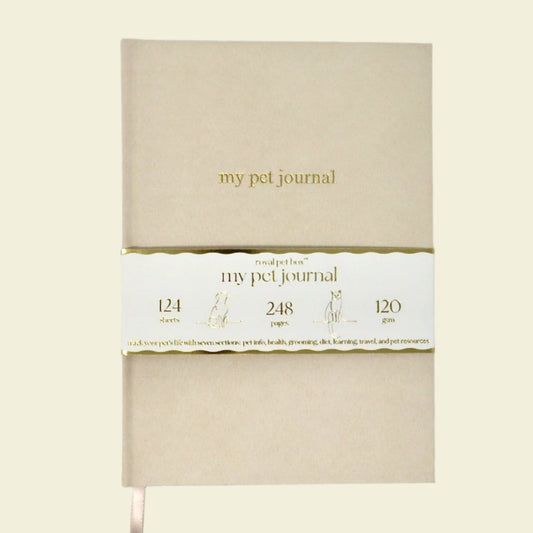
Keeping a simple record of what your dog drinks makes it far easier to notice changes early — our My Pet Journal gives you one place to log water, meals, and vet visits so patterns stand out before they become problems. As a general rule, a healthy dog needs roughly one ounce of water per pound of body weight each day. That means a 30-pound dog needs about 30 ounces — a little under a quart — while a 70-pound dog may drink well over half a gallon. Puppies, nursing mothers, and active dogs on warm days can need considerably more.
These figures are a starting point for a healthy adult dog — your vet can fine-tune the right intake for your dog's weight, age, medications, and any underlying health conditions.
Signs Your Dog Isn't Drinking Enough
Dehydration creeps up quietly, so it helps to know the physical cues. Healthy gums are slick and wet; if they feel dry or tacky, that is an early warning. You can also try the skin-tent test: gently lift the loose skin between the shoulder blades and let go. On a well-hydrated dog it snaps back instantly, while skin that stays tented for a beat suggests fluid loss. Other red flags include sunken or dull eyes, thick ropey saliva, unusual lethargy, and a loss of appetite. Heavy panting long after exercise has ended can also point to a dog that needs water.
When Too Much Drinking Is a Red Flag
Drinking more than usual matters just as much as drinking too little. A sudden, sustained spike in thirst — especially paired with more frequent urination — can be an early sign of diabetes, kidney disease, a urinary infection, or a hormonal condition such as Cushing's disease. A little extra after a long hike or a hot day is normal, but if your dog is suddenly emptying the bowl with no obvious reason, it is worth a call to your veterinarian rather than a wait-and-see approach.

Hydration and Summer Heat
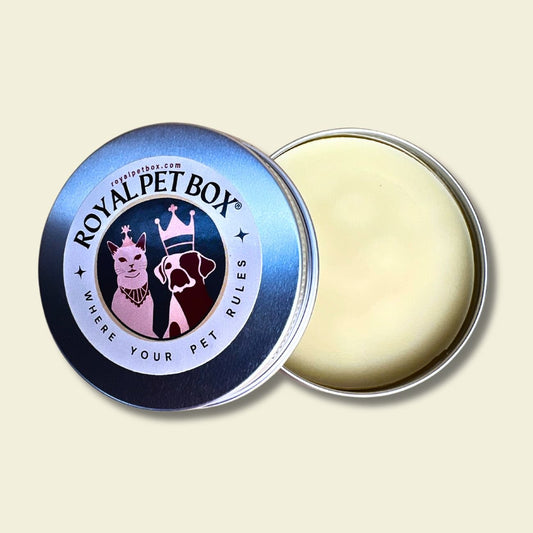
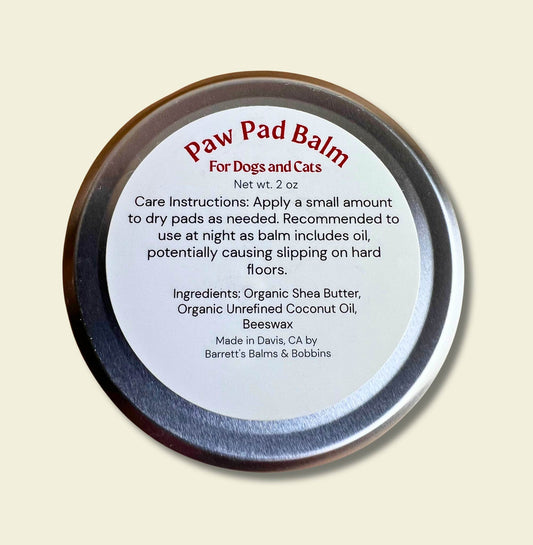
Summer raises the stakes. Heat, humidity, and longer walks all pull water out of your dog faster than usual, and hot pavement adds its own stress on the body and paws alike. A little balm such as our All Natural Paw Pad Balm helps shield paw pads from scorching sidewalks on the very outings where you should be pausing for water breaks. Bring a collapsible bowl on walks, offer water every fifteen to twenty minutes of vigorous activity, and never leave a dog outdoors without shade and a full, fresh bowl.
Building Better Hydration Habits
Most dogs will drink more when it is easy and appealing. Wash the bowl and refill with clean water daily — dogs are surprisingly put off by slime and stale water. Set out a second station if your home is large or spread over multiple floors, keep bowls out of direct sun so the water stays cool, and consider stirring a splash of water into meals to sneak in extra moisture. Fussy drinkers often take to a pet fountain, since many dogs prefer moving water. With a clean bowl, a few well-placed stations, and a quick daily check of how much is disappearing, keeping your dog well hydrated becomes one of the simplest healthy habits you can build.
Check out our luxury pet products at reasonable prices. Visit our "Royal Pet Box Pet TV" Channel on both Roku and YouTube for fabulous pet-related education and entertainment.
Paris Deesing holds a degree in Biological Anthropology from UCLA and provides the editorial review behind each article, drawing on a long-held curiosity about the animals who share our lives.
This article was created using artificial intelligence with human editorial review and oversight.