Senior Dog Care: What Every Owner Should Know After Age 7
Paris DeesingWhen your dog reaches 7, something subtle shifts. The muzzle might show a little grey, mornings might mean a longer stretch before getting up, and afternoon naps start to look like a full-time job. This is the senior chapter — and with a few thoughtful changes to their routine, nutrition, and care, you can make it one of the most comfortable and rewarding phases of your dog's life.

When Is a Dog Actually Considered "Senior"?
The common rule of thumb is 7 years — but the truth is more nuanced than that. A 7-year-old Great Dane is very much in senior territory, while a 7-year-old Chihuahua still has plenty of middle-age energy left. Larger breeds age faster than small breeds, so a 6-year-old Saint Bernard may show the same signs as a 10-year-old toy poodle. If you're unsure where your dog falls, your veterinarian can assess their biological age based on body condition, bloodwork, and breed. Keeping detailed notes on behavioral changes over time is one of the most useful things you can do — our My Pet Journal gives you a dedicated, 248-page hardcover space to log vet visits, health changes, energy levels, and anything else that shifts as your dog gets older.
What to Expect as Your Dog Enters the Senior Years
Aging in dogs is gradual, and the changes can be easy to miss if you're not watching for them. Common signs that your dog is entering their senior stage include:
- Slowing down on walks — less stamina, more interest in sniffing than sprinting
- Stiffness after rest — especially first thing in the morning or after a long nap
- Weight changes — either gain (from lower activity) or loss (from reduced appetite or underlying health issues)
- Hearing and vision changes — slower to respond to commands, startling more easily
- Behavioral shifts — more sleep, occasional confusion, or changes in social interaction
- Dental deterioration — gum redness, bad breath, or reluctance to chew hard food
None of these on their own signal a crisis — but they're worth tracking and discussing with your vet at your next checkup.
Feeding Your Senior Dog: Nutrition That Supports Aging
Senior dogs typically need fewer calories than they did in their prime, but that doesn't mean lower-quality food. In fact, the opposite is true — as digestion becomes less efficient, the quality of what goes in matters more. Look for a food that lists a named protein (chicken, salmon, lamb) as the first ingredient, and consider a formula specifically designed for seniors, which often includes added joint support like glucosamine and omega-3 fatty acids.
Portion control matters more as your dog ages, since weight gain accelerates joint stress and puts extra load on the heart. Weigh food rather than eyeballing it, and factor in treats when calculating daily intake. If your senior dog is underweight or losing muscle mass, that's worth a prompt vet conversation — it can indicate anything from dental pain to kidney changes.
Dietary needs shift quite a bit as dogs age, and a senior dog with existing health conditions may need a prescription diet or specific nutrient adjustments — your vet is the best person to help you dial in the right plan for your individual dog's weight, breed, and health history.
If you're considering adding joint supplements like fish oil or glucosamine to your dog's diet, run it by your vet first — even generally safe supplements can interact with medications or conditions your dog is already managing.

Paws, Joints, and Everyday Comfort
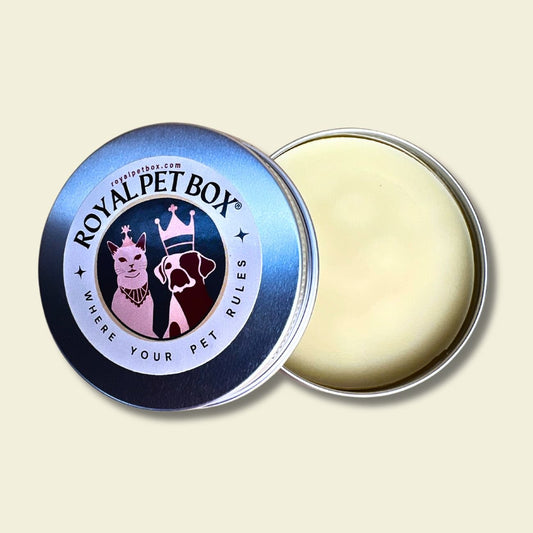
Senior dogs are more prone to dry, cracked paw pads — especially if they spend time on rough pavement, cold ground, or in low-humidity environments. Paw pad health is easy to overlook until there's a problem, but a little routine care goes a long way. Our All Natural Paw Pad Balm is a gentle, natural option to keep senior paw pads supple and protected — especially useful after winter walks or extended outdoor time on hot surfaces.
Beyond paws, joint comfort is one of the most important quality-of-life factors for older dogs. Raised food and water bowls can reduce neck strain. Orthopedic beds with memory foam support aging joints far better than flat mats or bare floors. Non-slip rugs on hardwood floors give arthritic dogs traction they can trust. Warm indoor environments also help — cold air tends to exacerbate joint stiffness. Small environment changes cost very little but make a meaningful difference in how comfortable your senior dog feels day to day.
Exercise for Older Dogs: Less Intensity, More Consistency
A senior dog still needs regular exercise — it supports joint mobility, healthy weight, cardiovascular function, and mental sharpness. What changes is the intensity. Swap long, high-energy sessions for shorter, more frequent outings at a pace that follows your dog's lead. If they slow down and want to sniff a patch of grass for five minutes, let them — sensory stimulation is its own form of enrichment.
Low-impact activities are especially good for senior dogs: gentle leash walks, swimming (excellent for arthritic joints), and short off-leash sniff sessions in a safe area. Avoid high-impact play like jumping, sudden sprints, or rough wrestling, especially with younger dogs who may not read their senior housemate's limits.
Mental stimulation is equally important as dogs age — and often underused. Puzzle feeders, nose-work games, and simple obedience refreshers (in short sessions) keep the brain sharp and help maintain your dog's sense of purpose. A bored senior dog is more likely to show signs of canine cognitive dysfunction as they age.
Senior Vet Visits: What Changes After Age 7
Most vets recommend moving senior dogs from annual to twice-yearly checkups once they hit the 7-year mark. Twice-yearly exams give your vet a closer look at age-related changes and allow bloodwork and urinalysis to catch kidney, liver, and thyroid shifts early — when they're most treatable. Dental exams become more important too, since periodontal disease accelerates in senior dogs and has real downstream effects on heart and kidney health.
Come to each appointment with a list of anything you've noticed since the last visit: sleep changes, appetite shifts, new lumps or bumps, any reluctance to move, changes in thirst or urination. The more context you give your vet, the easier it is for them to spot patterns. This is where a dedicated pet journal pays off — having a month-by-month record makes those twice-yearly visits far more productive than trying to recall details on the spot.
Your senior dog may also benefit from a pain assessment if they show signs of discomfort — dogs are stoic and rarely yelp unless pain is severe. Subtle changes in gait, posture, or expression can be the only clue. A good vet will screen for this proactively, especially in breeds prone to hip dysplasia or arthritis.
The senior years aren't a decline — they're a deepening. Your dog's personality is fully formed, your bond is stronger than ever, and they're asking less of you in terms of energy and more in terms of presence. A few thoughtful adjustments to how you feed, move, and monitor them can add genuinely comfortable, joyful years to that time together.
Check out our luxury pet products at reasonable prices. Visit our "Royal Pet Box Pet TV" Channel on both Roku and YouTube for fabulous pet-related education and entertainment.
Paris Deesing holds a degree in Biological Anthropology from UCLA and provides the editorial review behind each article, drawing on a long-held curiosity about the animals who share our lives.
This article was created using artificial intelligence with human editorial review and oversight.