Should You Shave a Double-Coated Dog? What Every Owner Needs to Know
Paris DeesingEvery summer, the same question pops up at groomers and vet clinics everywhere: should you shave your double-coated dog to help them survive the heat? It feels logical — less fur, cooler dog, right? But for breeds like Huskies, Golden Retrievers, German Shepherds, Corgis, and Australian Shepherds, shaving that thick coat can actually do more harm than good. Here's what every owner of a fluffy, double-coated dog needs to understand before reaching for the clippers.

What Is a Double Coat, and Why Does It Matter?
A double coat has two distinct layers: a dense, woolly undercoat close to the skin and a longer layer of coarser guard hairs on top. The undercoat acts as insulation, trapping a buffer of air that keeps your dog warm in winter and, just as importantly, shields them from heat in summer. The guard hairs repel water, block UV rays, and protect against dirt and parasites. Regular brushing is the real secret to a healthy double coat — pulling out loose, dead undercoat keeps air flowing to the skin and prevents the matting that traps heat. Our Luxury Dog and Cat Brush is built for exactly this kind of deshedding and detangling work, reaching the undercoat without tugging at the protective topcoat.
The Big Myth: "Shaving Keeps My Dog Cooler"
This is the misconception that sends so many double-coated dogs to the groomer in June. Unlike humans, dogs don't cool themselves through their skin — they regulate temperature primarily by panting and through the pads of their paws. The coat isn't trapping heat against the body the way a sweater would on a person; it's functioning more like the insulation in a cooler, keeping the outside heat out. Strip that insulation away and you remove your dog's built-in defense against the sun, often leaving them hotter, not cooler.
What Shaving Actually Does to the Coat
Beyond the heat issue, shaving a double coat can cause lasting damage. The undercoat grows back faster than the guard hairs, so the protective topcoat can be smothered or grow back patchy, coarse, and discolored — a problem groomers call "coat funk" or post-clipping alopecia. In some dogs the coat never fully returns to its original texture. A shaved dog also loses natural UV protection, leaving pale or thin-haired skin vulnerable to sunburn and, over time, a higher risk of skin issues.
Shaved skin that's suddenly exposed to summer sun can burn just like ours — if you notice redness, flaking, or tender patches on your dog's skin, check in with your vet, since irritated skin can sometimes signal an infection or allergy that needs treatment.

How to Keep a Double-Coated Dog Cool Without Shaving
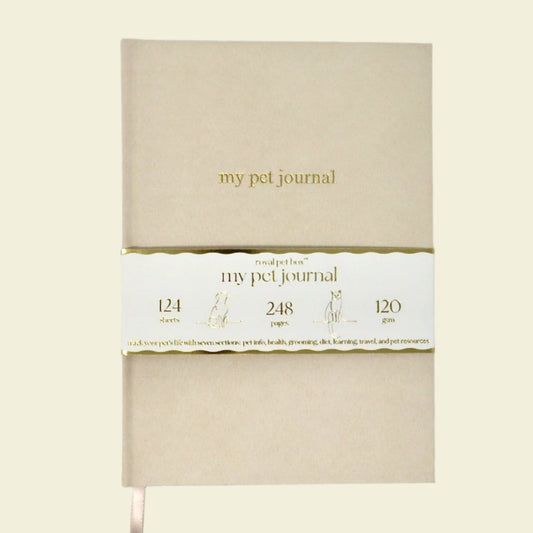
The good news: keeping your dog comfortable is easier than you'd think. Brush regularly to remove dead undercoat and improve airflow, especially during the heavy spring and fall "blowing coat" seasons. Provide constant access to fresh water and shade, walk during the cooler morning and evening hours, and never leave your dog in a parked car. A cooling mat, a kiddie pool, or a damp towel to lie on works wonders. Tracking when your dog sheds most heavily, how they handle hot days, and any skin changes is genuinely useful — our My Pet Journal gives you one dedicated place to log grooming routines, vet visits, and seasonal patterns so you can spot what works for your individual dog.
When Is Trimming Actually Okay?
Shaving and trimming aren't the same thing. Light tidying of the paw pads, sanitary areas, and the hair around the eyes is perfectly fine and often helpful. Some dogs with severe matting may need to be shaved for their own welfare, since tight mats pull on the skin and trap moisture — but that's a medical necessity handled by a professional, not a routine summer haircut. Senior dogs or those with certain health conditions may also have grooming needs best decided with your vet and a trusted groomer. The general rule for a healthy double coat, though, stays simple: brush it, don't buzz it.
A double coat isn't a flaw to fix in summer — it's a sophisticated, season-spanning system that protects your dog year-round. The kindest thing you can do is maintain it with regular brushing, plenty of water and shade, and smart timing on hot days. Resist the clippers, and your fluffy friend will stay cooler, safer, and more comfortable all summer long.
Check out our luxury pet products at reasonable prices. Visit our "Royal Pet Box Pet TV" Channel on both Roku and YouTube for fabulous pet-related education and entertainment.
Paris Deesing holds a degree in Biological Anthropology from UCLA and provides the editorial review behind each article, drawing on a long-held curiosity about the animals who share our lives.
This article was created using artificial intelligence with human editorial review and oversight.