What Should Pet Birds Eat? Building a Healthy Diet Beyond Seeds
Paris DeesingIf your pet bird's bowl is filled to the brim with a colorful seed mix, you are not alone — and you may be unknowingly shortchanging your feathered friend. Seeds are tasty, but a diet built around them is a bit like raising a child on potato chips. Building a healthy bird diet means thinking beyond the seed cup and offering the balanced, varied nutrition that keeps birds bright-eyed, active, and feathered in full color for years.
Why an All-Seed Diet Falls Short for Pet Birds
Seeds are high in fat and low in many of the vitamins, minerals, and amino acids birds need. Parrots, cockatiels, budgies, and finches that eat mostly seeds often develop obesity, fatty liver disease, calcium and vitamin A deficiencies, and dull or poorly formed feathers over time. Birds are also clever foragers who pick out their favorite fatty seeds — like sunflower and millet — and leave the rest, so even a "fortified" mix rarely delivers balanced nutrition once your bird has cherry-picked the bowl. The goal is not to ban seeds entirely, but to demote them from the main course to an occasional treat.
Pellets: The Foundation of a Balanced Bird Diet
Formulated pellets are the closest thing to complete nutrition in a single bite, which is why most avian veterinarians recommend they make up roughly 60 to 70 percent of a pet bird's daily diet. Because each pellet contains the same blend of nutrients, your bird can't pick around the healthy parts. Choose a pellet sized for your species and, where possible, a naturally colored or low-additive formula. Introduce pellets gradually rather than all at once — many birds are suspicious of unfamiliar food and need patient, repeated exposure before they accept it.
Switching a committed seed-eater to pellets can take weeks, and a bird that stops eating altogether can become seriously ill very quickly. If your bird refuses new food for more than a day or starts losing weight, loop in an avian veterinarian who can guide the transition safely.
Fresh Vegetables, Fruits, and Healthy Extras
The remaining portion of the diet should come from fresh foods — primarily vegetables, with fruit in smaller amounts. Dark leafy greens, shredded carrot, bell pepper, broccoli, sweet potato, and squash are excellent sources of vitamin A, a nutrient seed-heavy birds frequently lack. Offer fruit like berries, apple (no seeds), and melon as smaller, sweeter accents. A few seeds, sprouted grains, or a small amount of cooked legumes can round things out and double as enrichment when offered in a foraging toy. Always wash produce well and remove uneaten fresh food within a few hours so it doesn't spoil in the cage.

Foods That Are Dangerous for Birds
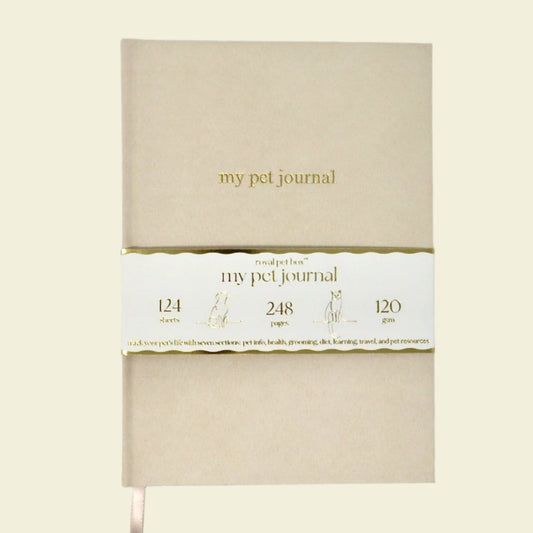
Some everyday human foods are genuinely toxic to birds and should never make it into the cage. Avocado, chocolate, caffeine, alcohol, onion and garlic, and anything heavily salted or sugary can cause serious harm, and even small amounts can be dangerous given a bird's tiny body weight. Fruit pits and apple seeds contain trace compounds best avoided as well. When in doubt, leave it out — and keep a written record of what you offer so you can spot patterns. Tracking your bird's diet, weight, droppings, and vet visits in one place makes it far easier to catch problems early; our My Pet Journal gives you a dedicated space to log meals, new foods, and health changes so nothing slips through the cracks.
Supplements and Special Needs
A bird eating a balanced pellet-and-vegetable diet usually gets the vitamins it needs without extras. But certain situations — egg-laying females needing extra calcium, birds recovering from illness, or species with specific requirements — may benefit from added support like cuttlebone, a mineral block, or targeted supplements. Talk to your vet before adding any vitamin powders, calcium drops, or supplements to your bird's food — over-supplementing fat-soluble vitamins can do more harm than the deficiency you're trying to prevent, and the right amount depends on your bird's species, age, and health.
Making the Switch Stick
Transitioning a bird to a healthier diet rewards patience over pressure. Offer new foods at the start of the day when your bird is hungriest, model "eating" the food yourself if your bird is bonded to you, and try fresh items in different forms — chopped, skewered, or clipped to the bars — until you find what clicks. Small, steady wins add up, and within a few weeks most birds come to enjoy a diet that's far better for them than a seed cup ever was. A varied, balanced plate is one of the simplest, most powerful things you can do to give your bird a long, vibrant life.
Check out our luxury pet products at reasonable prices. Visit our "Royal Pet Box Pet TV" Channel on both Roku and YouTube for fabulous pet-related education and entertainment.
Paris Deesing holds a degree in Biological Anthropology from UCLA and provides the editorial review behind each article, drawing on a long-held curiosity about the animals who share our lives.
This article was created using artificial intelligence with human editorial review and oversight.