When Do Puppies Lose Their Teeth? A Complete Puppy Teething Timeline
Paris DeesingOne morning you find a tiny white sliver on the rug and realize your puppy has started losing teeth. Puppies do not simply grow into their adult teeth — they build an entire starter set, then trade it in over a few busy months. Knowing when puppies lose their teeth, and what the process should look like, makes the chewing phase far less alarming and helps you catch the handful of problems that genuinely need a veterinarian.

The Puppy Teething Timeline, Week by Week
Puppies are born toothless. Their 28 deciduous (baby) teeth push through between roughly two and four weeks of age, which is part of why weaning begins around then. By six to eight weeks a puppy has the full baby set — those are the needle-sharp teeth you bring home.
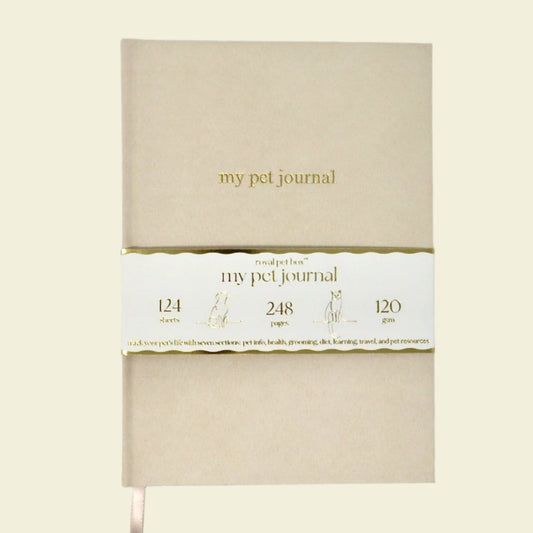
The trade-in starts around 12 to 16 weeks. The small front incisors go first, usually between 12 and 16 weeks. The dramatic canines follow at roughly 16 to 20 weeks, and the premolars at about 16 to 24 weeks. Molars are adult-only teeth — there are no baby versions — and they erupt last, generally between five and seven months. Most dogs have all 42 adult teeth by six to seven months, though some larger and some toy breeds run a few weeks behind. Tracking which teeth have come and gone is easier than you would think when you write it down, and our My Pet Journal gives you one place to log tooth loss, chewing changes, and every vet visit during that first year.
Signs Your Puppy Is Teething
Actually finding a lost tooth is the exception. Most puppies swallow their baby teeth while eating or chewing, and those pass harmlessly. What you notice instead is behavior: a sharp uptick in chewing, gnawing furniture legs and shoe heels, mouthing hands more insistently, dropping kibble mid-meal, chewing on one side, or drooling more than usual. A few pink spots of blood on a rope toy are normal at this stage.
Sore gums and a slightly smaller appetite for a day or two are also normal. What is not: refusing food entirely, steady bleeding, swelling along the jaw or under an eye, a foul odor, or repeated pawing at the face. Those point to something other than routine teething.

What to Offer a Sore-Mouthed Puppy
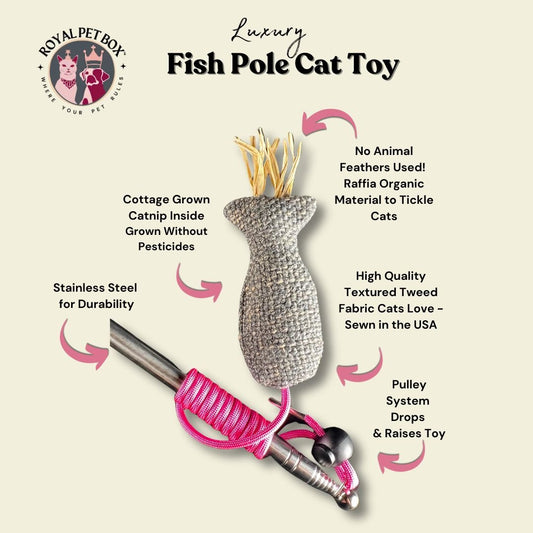
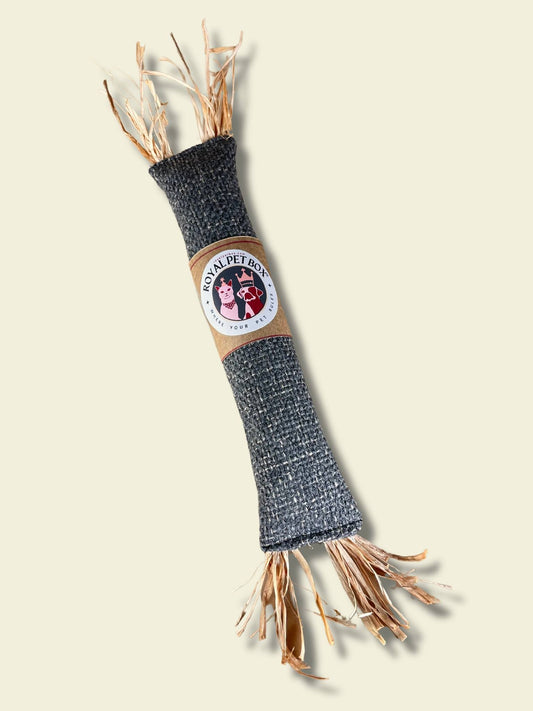
The goal during teething is redirection, not suppression — your puppy needs to chew, so make sure the right things are within reach. Soft rubber chews, rope toys, and a wet washcloth twisted and frozen for an hour all give sore gums something satisfying to press against. Softening dry kibble with a little warm water can make meals comfortable again for a puppy who has started eating hesitantly. If you like putting real thought into what goes in the bowl, our recommended The Forever Dog Life Book is full of fresh-food ideas that work well for a young dog easing through this stage.
Skip anything genuinely hard. Antlers, hooves, cooked or raw weight-bearing bones, and rigid nylon chews are common causes of fractured teeth in dogs of every age, and a puppy's developing mouth is especially vulnerable. A practical rule many veterinary dentists use: if you cannot dent the surface with your thumbnail or comfortably tap it against your own knee, it is too hard for your dog.
Chew safety varies a lot by individual — a determined power chewer and a gentle nibbler of the same age need very different products, and any chew can become a choking risk once it is worn down. Your vet can help you pick options suited to your puppy's size, jaw strength, and chewing style.
Retained Baby Teeth and Other Red Flags
Occasionally an adult tooth erupts while the baby tooth it was meant to replace stays firmly in place. This is called a retained deciduous tooth, and it happens most often with the upper canines, particularly in small and toy breeds. Two teeth crowded into one socket trap food and plaque, can push the adult tooth out of position, and sometimes create a painful bite.
The rule of thumb: two teeth should never occupy the same space at the same time. If you see a baby tooth still sitting beside its adult replacement, mention it at your next appointment. Retained teeth are usually extracted, and many veterinarians handle it during the spay or neuter so your puppy only goes under anesthesia once.
Bite alignment and retained teeth are hard to judge from home photos, especially in short-nosed and toy breeds where a slight overlap can be normal. If something about your puppy's mouth looks crowded or uneven, let your veterinarian take a look while the jaw is still developing — timing matters for these corrections.
Building Dental Habits While Your Puppy Is Still Easy
The teething window is the best time to teach your dog that having their mouth handled is no big deal. Lift a lip, touch the gums for a second, reward. Work up to a finger brush, then a soft toothbrush with dog-safe toothpaste. You are not really cleaning much — baby teeth are on their way out anyway. You are building tolerance, so brushing is unremarkable by the time the adult set is in.
Teething feels endless in the middle of it, but it is short. Give your puppy the right things to chew, keep the truly hard stuff out of reach, watch for the few real warning signs, and use these months to make mouth handling routine. The habits you build now are the ones that keep those 42 adult teeth healthy for the next decade.
Check out our luxury pet products at reasonable prices. Visit our "Royal Pet Box Pet TV" Channel on both Roku and YouTube for fabulous pet-related education and entertainment.
Paris Deesing holds a degree in Biological Anthropology from UCLA and provides the editorial review behind each article, drawing on a long-held curiosity about the animals who share our lives.
This article was created using artificial intelligence with human editorial review and oversight.