When to Worry About Dog Scooting: Anal Glands, Allergies, and Other Causes
Paris DeesingYour dog is mid-nap, then suddenly drags their rear end across the living room rug. Most owners laugh the first time. But scooting is not a quirk or a bad habit — it is your dog telling you something down there is uncomfortable. The question is whether it is a passing irritation or a problem that needs a veterinarian.

What Dog Scooting Actually Looks Like
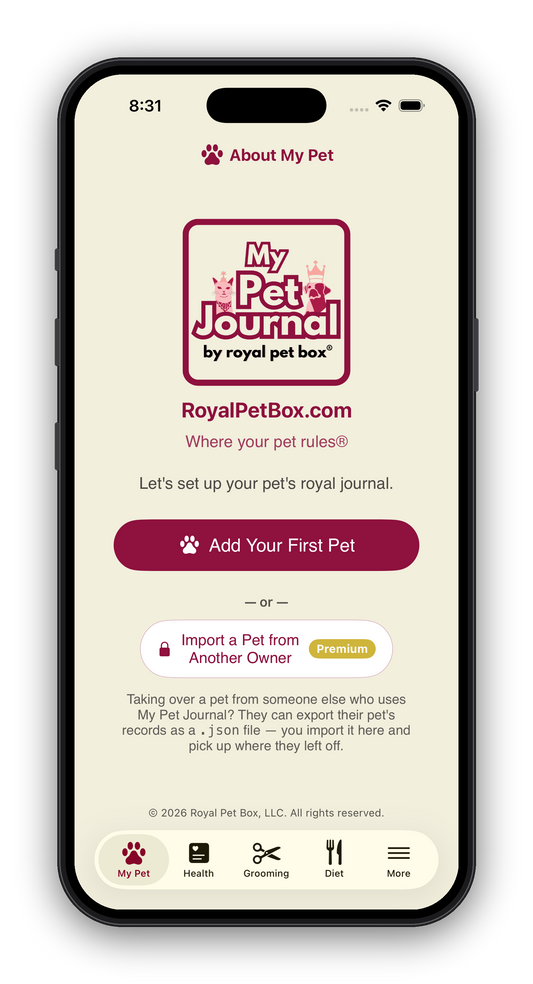
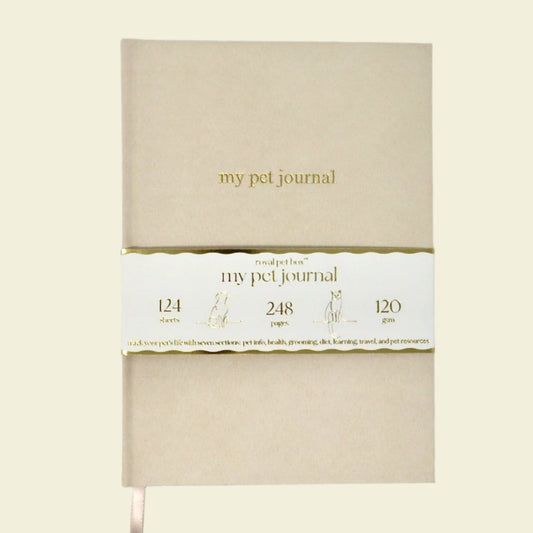
Classic scooting is the seated drag: front legs pulling, back end pressed to the floor. The same discomfort shows up other ways too — obsessive licking under the tail, spinning to bite at the rump, or reluctance to sit squarely on a hard floor. Frequency is the detail that matters most. One scoot after a messy bathroom trip is usually nothing. Scooting several times a day, or every day for a week, is a pattern worth investigating. Jotting down when it happens, what the stool looked like, and whether anything changed in the food bowl gives your vet a real timeline to work from — our My Pet Journal has dedicated health and diet sections that make those notes easy to keep in one place.
Anal Gland Problems: The Most Common Cause of Scooting
Dogs have two small anal sacs sitting just inside the anus, roughly at the four and eight o'clock positions. Each holds an oily, pungent fluid that normally gets squeezed out during a firm bowel movement — a scent-marking system your dog has no conscious control over. When the sacs do not empty properly, the fluid thickens and the sacs become impacted, which feels like pressure and itching. Impaction can progress to infection, and infection to an abscess that ruptures through the skin.
Signs the glands are the culprit include a fishy or metallic smell that lingers on bedding, swelling or redness beside the anus, a damp brown spot where your dog was sitting, and pain when you touch the base of the tail. Small breeds, overweight dogs, and dogs with chronically soft stool are most prone to it.
Expressing anal glands at home is a popular internet suggestion, and it is one worth skipping — too much pressure or the wrong technique can bruise the sacs and make inflammation worse. A veterinarian or an experienced groomer working under vet guidance can do it safely and can tell you whether your dog actually needs it on a schedule at all.

Diet, Stool Quality, and the Fiber Connection
Here is the link most owners miss: anal sacs empty by mechanical pressure. Firm, well-formed stool presses on them from the inside as it passes. Chronically soft or loose stool slides by without applying that pressure, so the sacs never drain, and the cycle of impaction begins. That is why a dog with an unsettled gut often becomes a dog with a scooting problem a few weeks later.
Improving stool consistency is frequently the whole fix. That can mean a steadier feeding routine, fewer table scraps, a food that agrees with your dog, or added dietary fiber from sources like plain canned pumpkin or psyllium. If you are curious about building better bowls from the ground up, our recommended The Forever Dog Life Book walks through fresh-food recipes and gut-health science in plain language.
Fiber amounts are very dog-specific — what settles a 70-pound Labrador can overwhelm a 9-pound terrier, and added fiber can interfere with how some medications absorb. Check with your vet on the right starting amount for your dog's weight and health history before you change the bowl.
Allergies, Parasites, and Other Culprits
Food and environmental allergies are a major driver of scooting. Allergic inflammation makes the skin around the anus itchy in its own right, and it also thickens the tissue around the anal sac openings so the fluid cannot escape. A dog who scoots and also licks their paws, shakes their head, or has recurring ear infections is often showing one allergy in several places at once.
Parasites deserve a mention, though they are blamed more often than they are guilty. Tapeworm segments — small, rice-like pieces near the tail or in the stool — genuinely cause itching and scooting, and they are worth a quick vet check. Grooming can be a factor too: clipper irritation after a sanitary trim, shampoo residue that was not fully rinsed, or matted fur trapping debris under the tail. In senior dogs, scooting that does not resolve should prompt a look for perianal masses, which are far less common but much more serious.
When Dog Scooting Means It's Time to Call the Vet
Book an appointment if scooting continues for more than a day or two, if you see blood, pus, or visible swelling beside the anus, if there is a strong foul odor, if your dog cries or flinches when the area is touched, or if they are straining to defecate. Any of these suggests something beyond ordinary irritation. For a senior dog, or one whose scooting returns repeatedly after treatment, go sooner rather than later — recurring anal sac disease is manageable, but it needs a diagnosis first.
The good news is that most scooting has a straightforward, fixable explanation. Watch the pattern, pay attention to stool quality, and let your vet handle the parts that involve hands. Your rug will thank you, and so will your dog.
Check out our luxury pet products at reasonable prices. Visit our "Royal Pet Box Pet TV" Channel on both Roku and YouTube for fabulous pet-related education and entertainment.
Paris Deesing holds a degree in Biological Anthropology from UCLA and provides the editorial review behind each article, drawing on a long-held curiosity about the animals who share our lives.
This article was created using artificial intelligence with human editorial review and oversight.