Whisker Fatigue in Cats: The Hidden Reason Your Cat Paws Food Onto the Floor
Paris DeesingYou fill your cat’s bowl, they trot over eager to eat — and then they paw kibble onto the floor, eat from the edges, or walk away looking annoyed. If this sounds familiar, your cat may not be fussy at all. They could be dealing with whisker fatigue, a very real form of sensory overload that makes eating from a deep, narrow bowl genuinely uncomfortable.
What Is Whisker Fatigue in Cats?
A cat’s whiskers, or vibrissae, are not just decorative hairs. Each one is rooted in a bed of nerves and blood vessels, making them exquisitely sensitive touch organs your cat uses to navigate, judge gaps, and sense the world around them. When a cat lowers their face into a tall, narrow food or water bowl, the whiskers press and drag against the sides with every bite.
Over a meal, that constant stimulation can become overwhelming — the feline equivalent of a scratchy tag rubbing your neck all through dinner. “Whisker fatigue” describes the stress and over-stimulation that results. Your cat is not in pain and nothing is medically wrong with their whiskers, but the experience is unpleasant enough that many cats start avoiding the bowl.

Signs Your Cat Has Whisker Fatigue
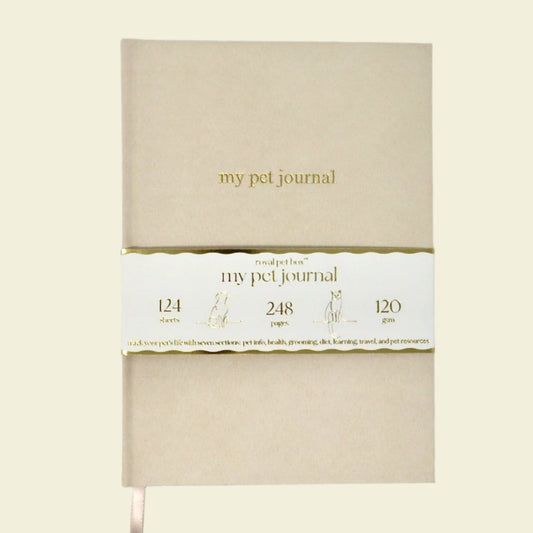
The clues show up at the food and water station. Watch for a cat who pulls food out of the bowl to eat it off the floor, eats only from the center once the sides are exposed, paces or meows near a full bowl, or seems reluctant to dip their head in at all. Some cats leave a ring of food around the edges, or knock water out to drink from the puddle. Keeping a simple record of when these behaviors appear helps you separate a bowl problem from an appetite problem — our My Pet Journal gives you one place to log meals, appetite changes, and vet notes so patterns are easy to spot.
Every cat is a little different, and a few of these signs — pawing at food, sudden pickiness, or dropping weight — can also point to dental disease, nausea, or other health issues. If the behavior appears suddenly or your cat stops eating, loop in your veterinarian to rule out a medical cause before assuming it is only the bowl.
Why Whisker-Friendly Bowls Make Such a Difference
The fix is often refreshingly simple: give the whiskers room. A wide, shallow dish — or a flat plate — lets your cat eat without their whiskers touching the sides at all. Ceramic, glass, or stainless steel bowls are easy to keep clean and do not hold odors the way scratched plastic can. The goal is a bowl your cat can eat from with their face relaxed and their whiskers free.
Water deserves the same thought. Many cats prefer a wide bowl filled close to the brim, or a pet fountain, so they can drink without burying their sensitive muzzle. Small changes like these frequently resolve “fussy eating” that was never really about the food.

Simple Fixes for a Calmer, Happier Mealtime
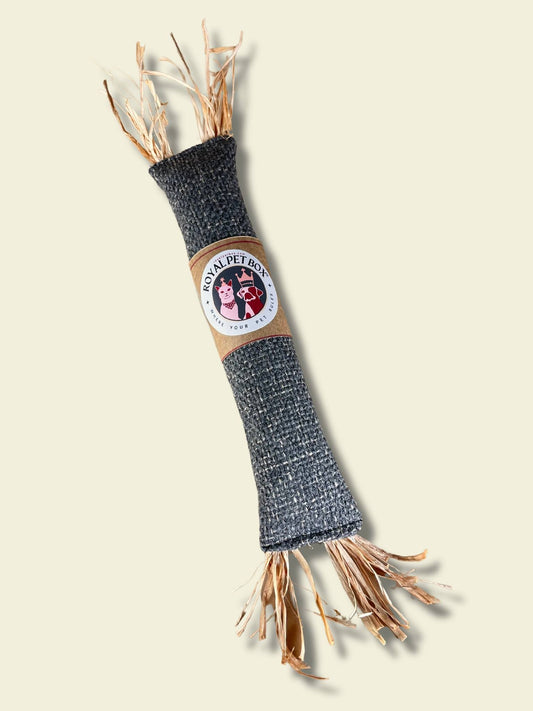
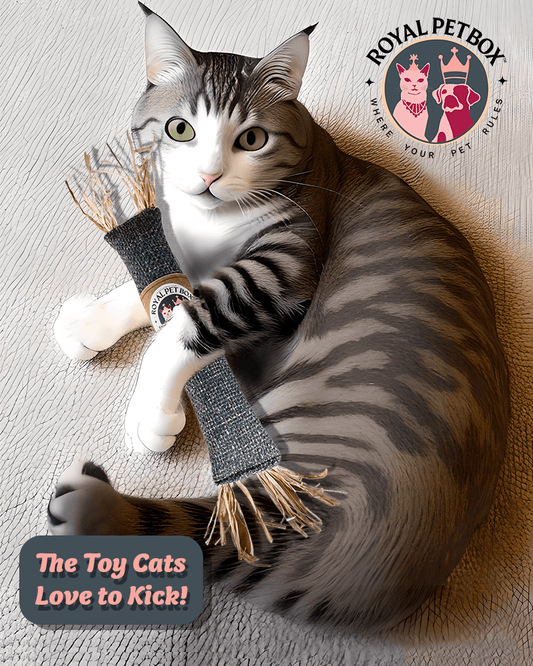
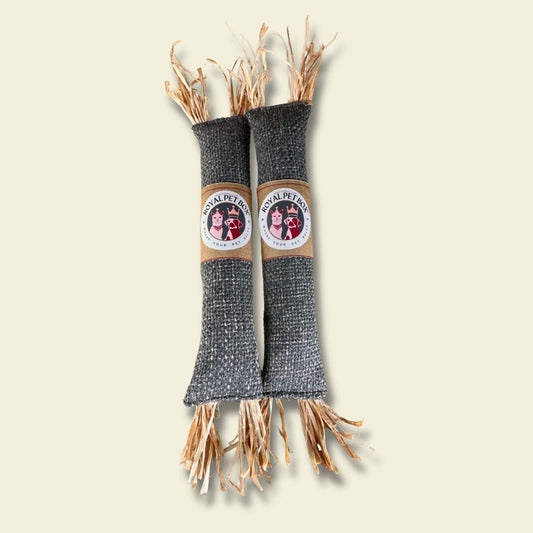
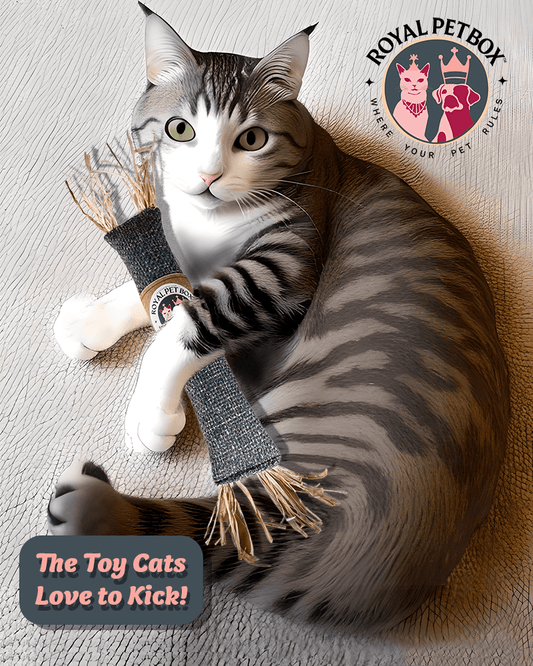
Beyond swapping the bowl, keep the feeding area calm and predictable: a quiet corner away from noisy appliances and the litter box, cleaned daily, and separated from other pets’ dishes so no one feels crowded. A cat who feels secure overall tends to approach mealtimes more calmly, and daily play is a big part of that security. A quick hunting-style session with a toy like our Luxury Cat Kicker Toy gives your cat a healthy outlet for energy and stress, so they arrive at the bowl relaxed rather than wound up.
If you want to be thorough, offer the same food in a shallow dish next to the old bowl for a few days and let your cat show you their preference. Most will make the choice obvious.
Whisker fatigue is one of those small, easily missed details that can quietly shape your cat’s day. Swap in a wide, shallow bowl, keep the feeding spot peaceful, and pay attention to what your cat is telling you — and mealtime can go back to being the simple pleasure it should be.
Check out our luxury pet products at reasonable prices. Visit our "Royal Pet Box Pet TV" Channel on both Roku and YouTube for fabulous pet-related education and entertainment.
Paris Deesing holds a degree in Biological Anthropology from UCLA and provides the editorial review behind each article, drawing on a long-held curiosity about the animals who share our lives.
This article was created using artificial intelligence with human editorial review and oversight.