Why Do Cats Purr? What Your Cat Is Really Telling You
Paris DeesingThat deep, rhythmic rumble coming from your cat's throat is one of the most comforting sounds in the animal kingdom — but it's also one of the most misunderstood. Most owners assume a purring cat is a happy cat, and often that's true. The full story, though, is far more interesting. Cats purr for a remarkable range of reasons, and learning to read the signal is one of the best things you can do as a cat parent.

The Science Behind a Cat's Purr
Purring isn't a sound your cat consciously "makes" — it's the byproduct of a fast, involuntary movement in the laryngeal muscles. A signal from the brain causes those muscles to twitch between 25 and 150 times per second, opening and closing the space between the vocal cords. Air flowing in and out — both during the inhale and the exhale — vibrates against that opening, producing the continuous rumble you hear and feel.
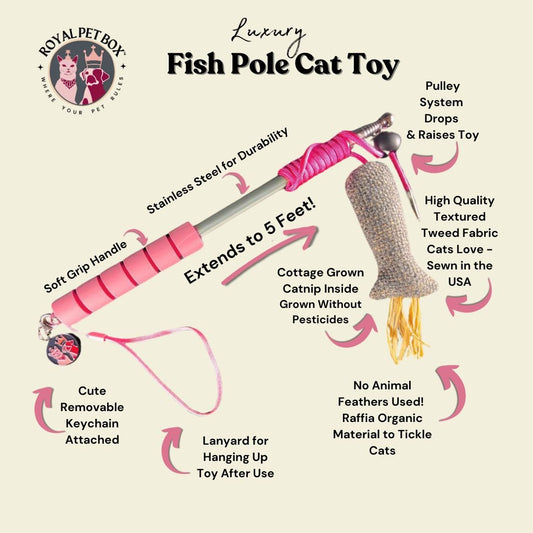
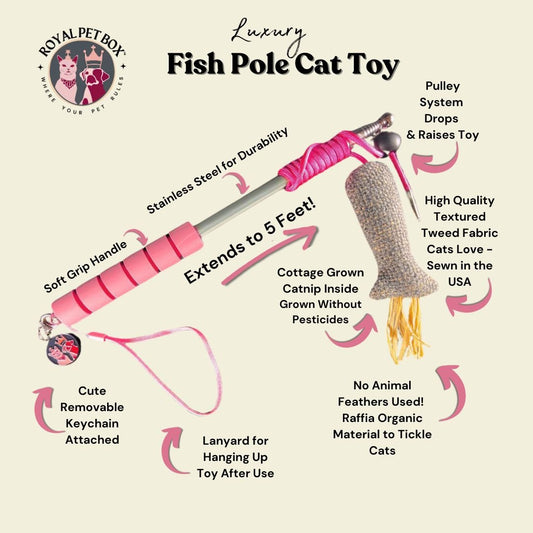
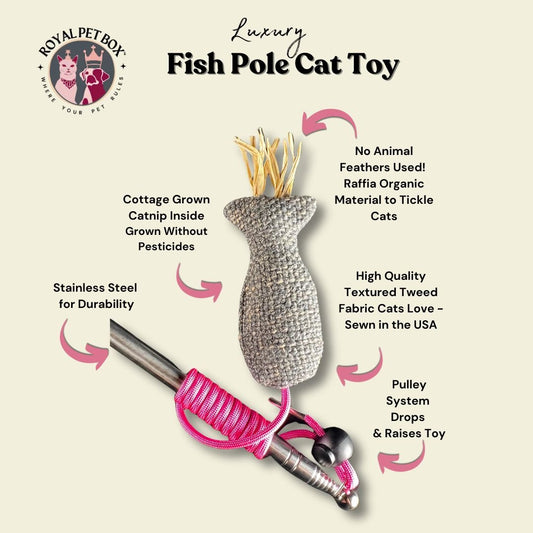
That detail (purring on both the in-breath and the out-breath) is what makes a cat's purr so unmistakable, and it's also why it sounds steady rather than choppy. Interactive play is one of the easiest ways to start that rumble — our Luxury Fish Pole Cat Toy taps into a cat's hunting instincts, and the satisfied purring that often follows a good "hunt" is the body's natural reward for a well-spent afternoon. Kittens can purr by just a few days of age, long before they can see clearly, which suggests the purr is hardwired from the very beginning.

The Many Reasons Cats Purr
Contentment is the most familiar trigger, but it's only one entry on a long list. Mother cats purr to their newborns from the moment they're born — kittens are born deaf and blind, and the vibration is how they locate mom for warmth and milk. Adult cats purr to greet trusted humans, ask for food, signal "I'm friendly" to other cats, and self-soothe when they're nervous or unwell. Some researchers believe the 25-to-150 Hz frequency range of a cat's purr overlaps with frequencies used in physical therapy to promote bone density and tissue repair, raising the intriguing possibility that purring is also a built-in healing mechanism.
Tracking when your cat purrs is one of the easiest ways to understand their personality and spot subtle health changes — our My Pet Journal gives you a dedicated space to log meals, vet visits, behavior notes, and the small daily details that often turn out to matter most. Patterns become obvious on paper that you'd never catch in your head.
When Purring Means Something Else
Here's the part that catches most owners off guard: a purring cat is not always a happy cat. Cats also purr when they're stressed, frightened, in pain, or even close to the end of life — vets often refer to "hospice purring" in their dying patients. The purr in those moments is thought to be a self-soothing tool, releasing endorphins much the way a child sucks their thumb when anxious.
Read the whole picture. A relaxed, slow-blinking cat curled in your lap is purring out of contentment. A purring cat with tense body language, dilated pupils, hiding behavior, or a sudden change in appetite may be telling you something is wrong. If purring is paired with lethargy, limping, or any unusual symptom, schedule a check-in with your vet. The purr alone is not a green light — context is everything.

How to Encourage Healthy Purring at Home
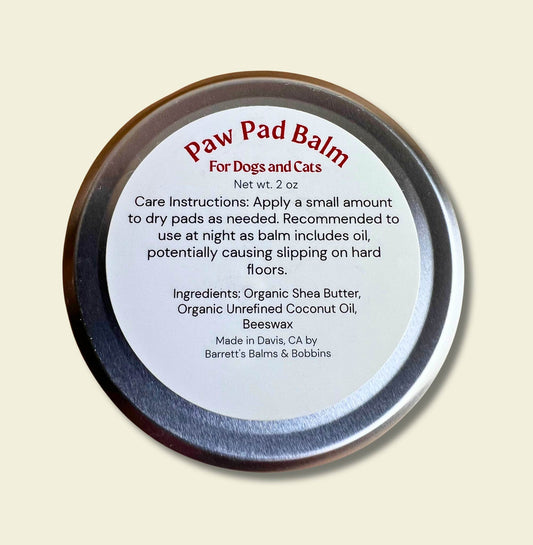
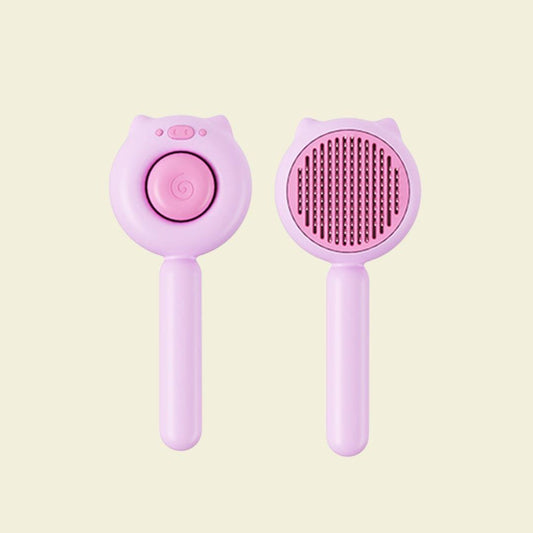
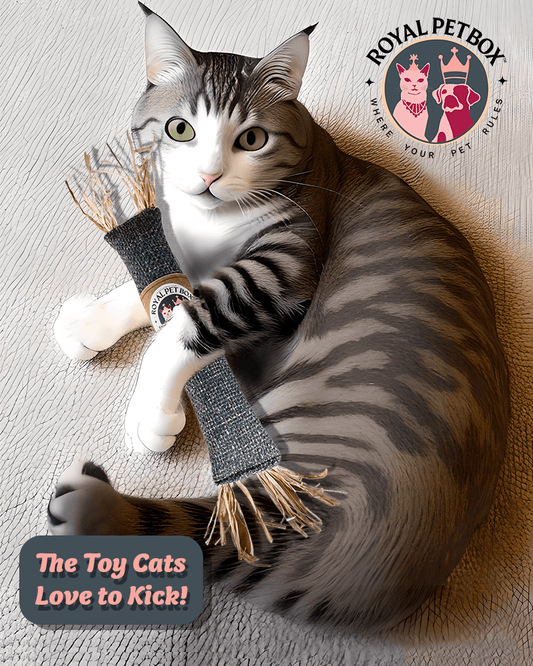
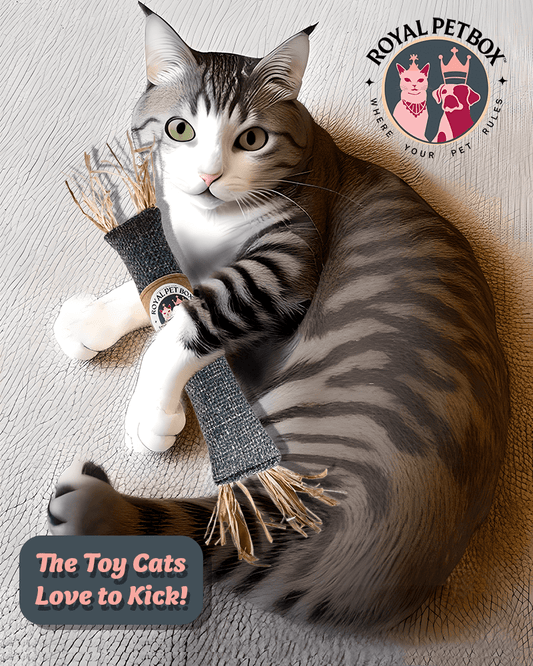
The cats who purr most are the cats who feel safest. That means a predictable routine, a calm household, vertical space to retreat to, gentle handling, regular play, and the kind of small comforts that add up: a sunny window, a warm lap, a brushing session, a favorite toy. A thoughtfully assembled set like the Luxury Cat Box Gift Set bundles together the everyday tools — a kicker toy, a fish pole toy, catnip, a grooming brush, and a paw balm — that turn your home into the kind of place a cat is most likely to settle in and rumble contentedly. Pair that with regular vet visits and the conditions for a happy purr are quietly in place.
Every purr is your cat's side of an ongoing conversation. The more closely you listen — to the sound and to the body language wrapped around it — the more fluent you become in your cat's particular dialect. With time, you'll know the difference between the purr that says "I love you," the purr that says "feed me," and the rare one that says "I don't feel well." That fluency is the heart of a great relationship with a cat.
Most purring is a happy, healthy behavior, but cats also purr when they’re stressed or in pain — so it’s not always a green light. If your cat’s purring pattern suddenly changes, or you notice it paired with hiding, appetite changes, breathing differences, or limping, please consult your veterinarian.
Check out our luxury pet products at reasonable prices. Visit our "Royal Pet Box Pet TV" Channel on both Roku and YouTube for fabulous pet-related education and entertainment.
Paris Deesing holds a degree in Biological Anthropology from UCLA and provides the editorial review behind each article, drawing on a long-held curiosity about the animals who share our lives.
This article was created using artificial intelligence with human editorial review and oversight.