Why Does My Cat Groom Me? The Sweet Science of Feline Allogrooming
Paris DeesingThere are few things sweeter than the moment your cat sits on your chest, fixes you with a steady look, and starts to lick the back of your hand. It feels affectionate (it is), a little odd (also true), and surprisingly purposeful. What you're seeing has a name — allogrooming — and it's one of the deepest forms of social bonding in a cat's behavioral repertoire.

What Is Allogrooming?
"Allogrooming" is the scientific term for one animal grooming another. In the cat world it's a deeply social behavior — kittens experience it from their mother within minutes of birth, and adult cats who live together often spend a portion of every day cleaning each other's heads, ears, and necks. Keeping a record of when your own cat shows you that same kind of affection can reveal patterns you might otherwise miss, and our My Pet Journal gives you a quiet place to log those little moments alongside meals, vet visits, and milestones.
The behavior is part hygiene, part communication, and part bonding ritual. When your cat starts gently licking your skin, your hair, or even your favorite sweater, they're inviting you into that same intimate circle. To them, you are simply a very tall, very strange-looking member of their colony — and you've passed the test.
Why Cats Groom the Humans They Love
There isn't a single reason a cat grooms you — it's usually a quiet stack of reasons happening at once. Most importantly, allogrooming is a sign of social trust. A cat only licks someone they feel deeply safe with, because the act puts them in a close-contact, vulnerable position. If your cat licks you, they have decided you are family.
There's also a scent-marking dimension. Cats live in a world of overlapping scent signatures, and when they groom you, they're mixing their scent into yours. The result is what behaviorists call a "group scent" — an invisible badge that says "this human is one of us." That's why a cat in a multi-pet household will often groom you and then immediately go groom the dog or the other cat: they're knitting the household together.
Some cats lick their humans simply because someone once licked them. Mother cats groom their litters to calm them, clean them, and stimulate digestion, and a kitten raised in a loving home often turns that learned behavior outward as an adult. When they see you tired, stressed, or sitting still, the instinct kicks in: my human needs tending to.

How to Read Your Cat's Grooming "Conversation"
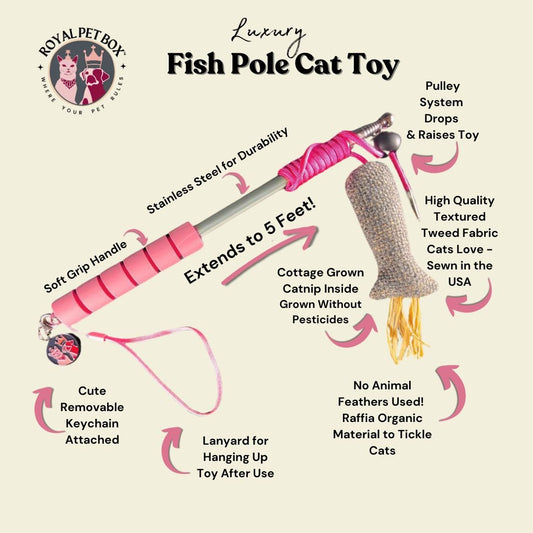
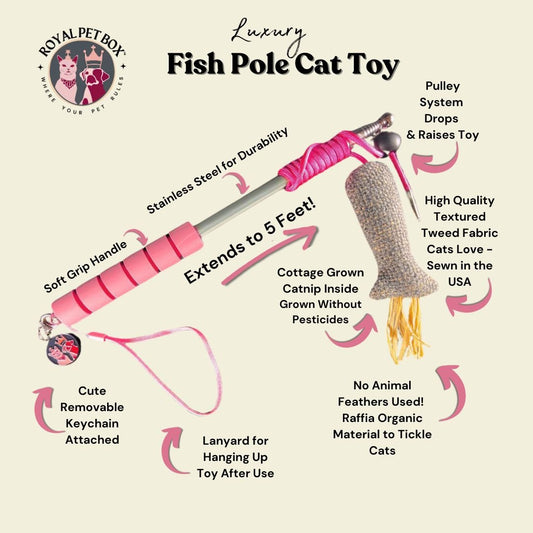
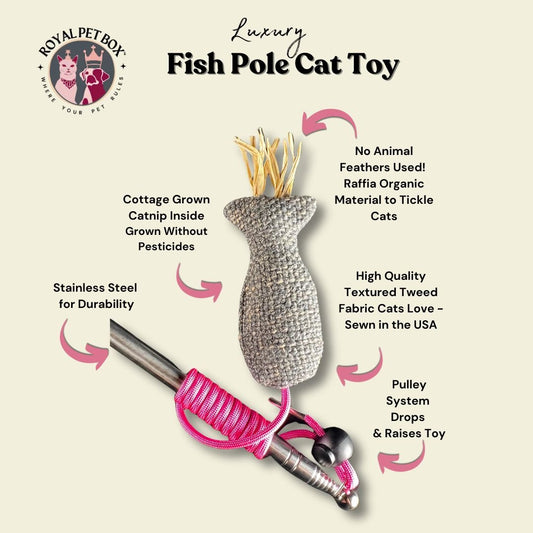
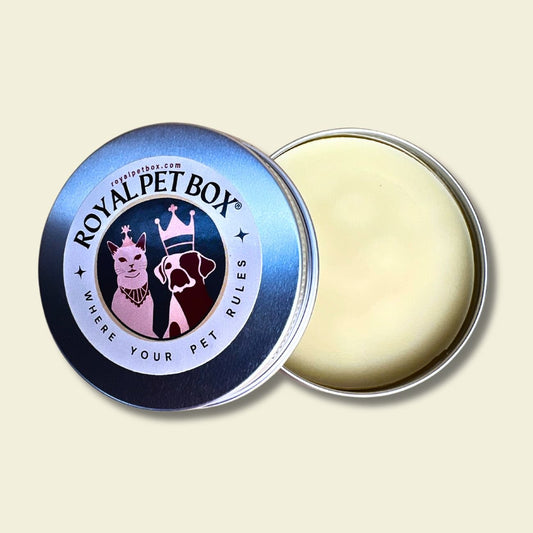
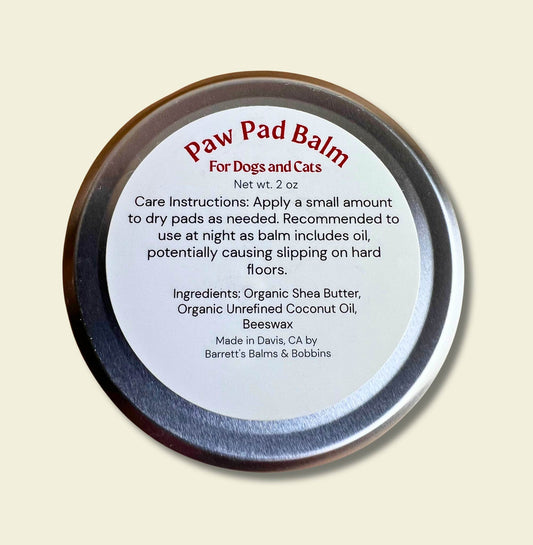
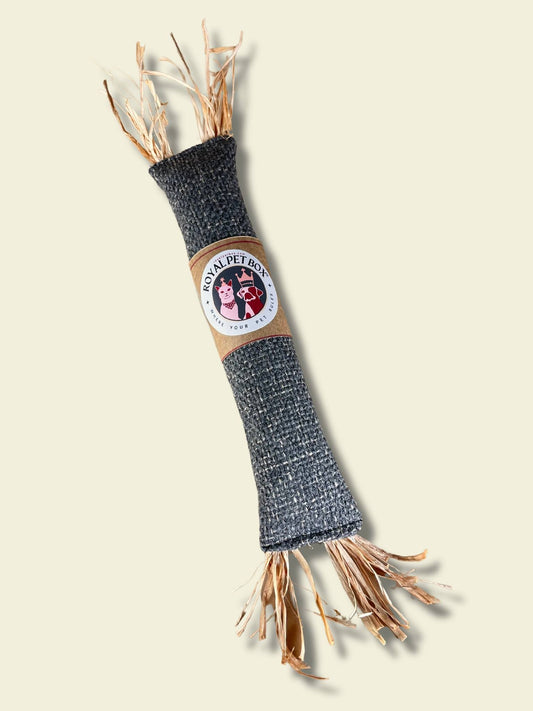
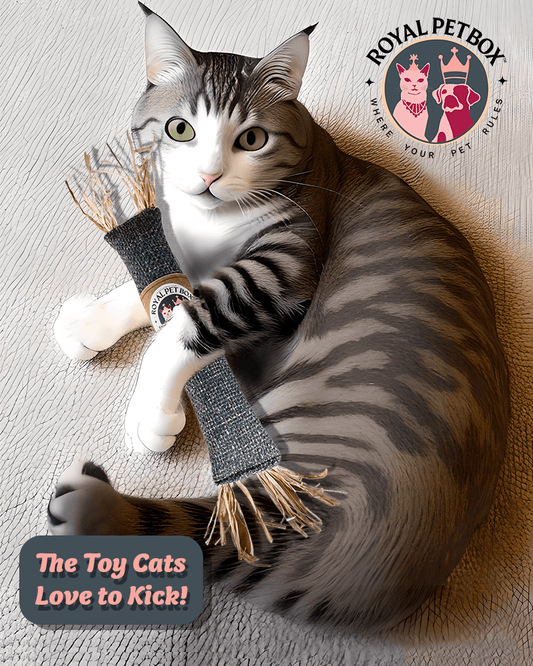
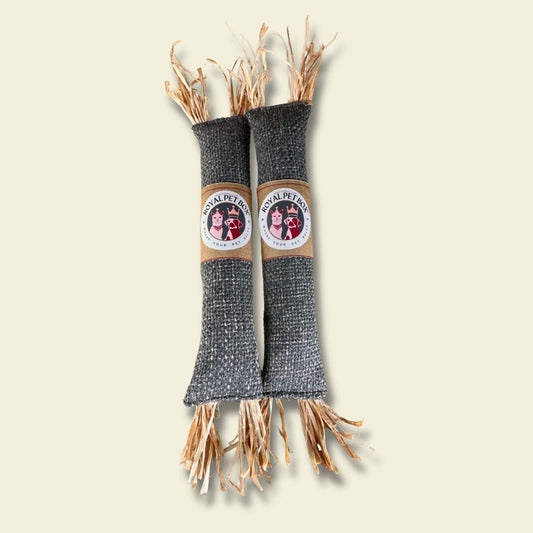
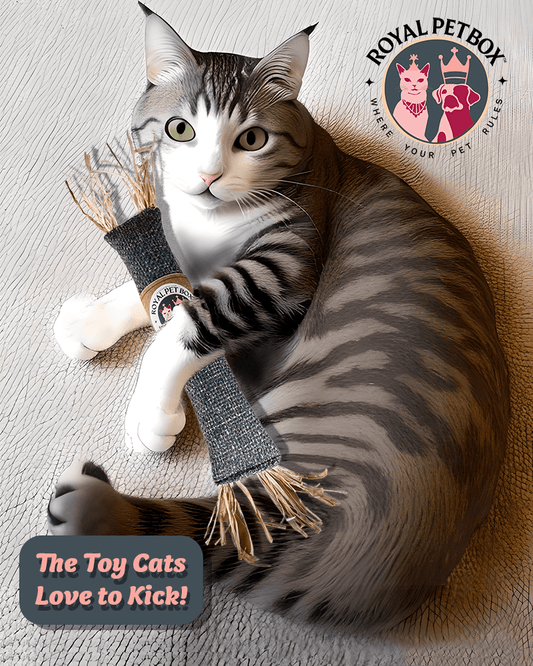
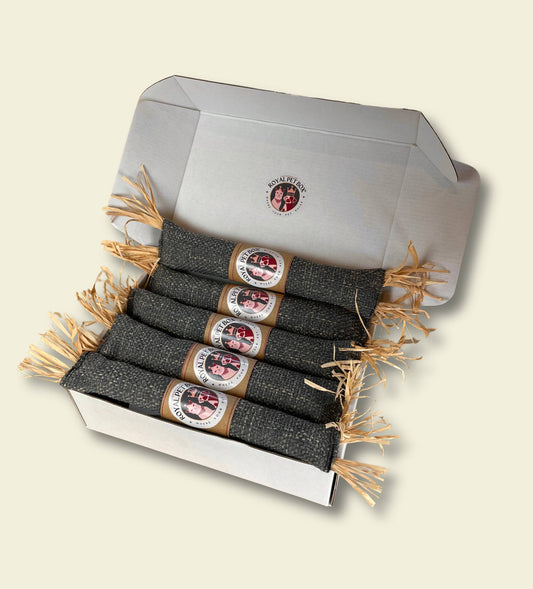
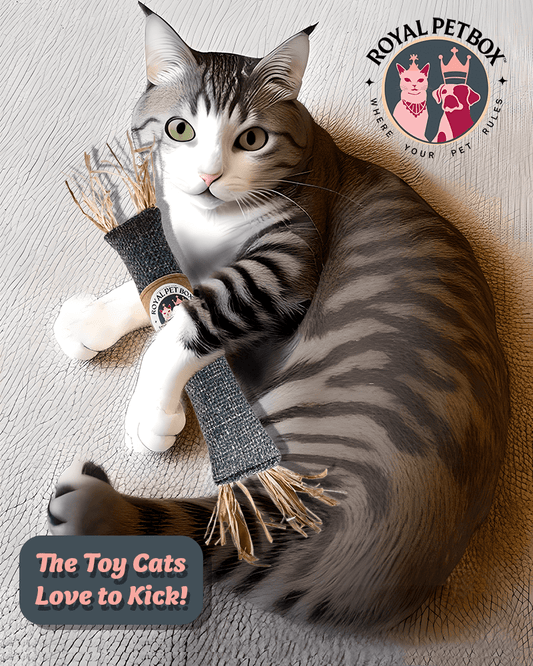
Grooming is one of the most expressive things your cat does, and a little observation can teach you a great deal about your bond. Mutual care goes both ways — the same way your cat tends to you with their tongue, you can tend to them with a slow brushing session, head scratches, or a thoughtful new toy. Our Luxury Cat Box Gift Set pairs a catnip kicker toy, an extendible fish pole toy, a soothing paw balm, a soft pet brush, and a pouch of catnip so you and your cat have a shared little ritual of grooming and play to lean into.
Pay attention to where your cat licks. The back of your hand or your forearm tends to be casual affection, while your face, hair, and ears are reserved for cats who feel especially close to you. A slow, rhythmic lick is content and bonding-focused; rapid, almost obsessive licking — especially paired with kneading or purring — often signals deep emotion, the feline equivalent of a tight hug.
Watch the rest of the body, too. A relaxed cat with half-closed eyes, slow blinks, and a softly curled tail is grooming you from a place of love. A cat whose licking speeds up, ears flatten, and tail starts to flick is sliding toward overstimulation — that's their polite way of saying, "okay, that's enough closeness for now."
What to Do When the Licking Gets a Little Much
A cat tongue is famously rough — those tiny backward-facing barbs (called papillae) are perfect for stripping shed fur out of a thick coat, but they can wear delicate human skin out fast. If your cat is licking you to the point of redness or irritation, you don't have to tolerate it. The kindest redirect is to stand up calmly, step away for a beat, and come back with a brush, a wand toy, or a soft towel they can lick instead. You're teaching them which surfaces are friendly to the human body.
Excessive licking that your cat directs at themselves (rather than at you) is a different conversation. If your cat is grooming a single spot bald, licking compulsively when stressed, or pulling out tufts of fur, that crosses from social grooming into something worth a closer look with your veterinarian.
The Quiet Compliment Hiding in a Cat's Tongue
For all the strange, mysterious behaviors cats are famous for, allogrooming might be the most honest one of all. Cats don't fake affection. They groom the beings they have chosen as their family — and if yours is grooming you, you've earned a place in a very small, very picky inner circle. The next time that tiny pink tongue lands on the back of your hand, take it as the quiet compliment it is: you've made a cat feel safe at home.
Check out our luxury pet products at reasonable prices. Visit our "Royal Pet Box Pet TV" Channel on both Roku and YouTube for fabulous pet-related education and entertainment.
Paris Deesing holds a degree in Biological Anthropology from UCLA and provides the editorial review behind each article, drawing on a long-held curiosity about the animals who share our lives.
This article was created using artificial intelligence with human editorial review and oversight.