Why Does My Dog Lick Their Paws? Causes, Concerns, and How to Help
Paris DeesingIf you've ever found yourself listening to the steady slurp, slurp, slurp of your dog grooming a paw, you're not alone. Paw licking is one of the most common behaviors dog owners ask their vets about, and the answer is rarely just one thing. A little tidying up is normal — but constant licking can be a clue that something deeper is bothering your pup. Here's how to tell the difference and what to do about it.
Common Reasons Dogs Lick Their Paws
Occasional paw licking is usually harmless. Dogs groom themselves much like cats do, just less often, and a quick post-walk clean-up after stepping in mud, snow, or grass is perfectly normal. Dogs also use licking as a self-soothing behavior — the rhythmic motion releases endorphins, which is why some pups lick when they're winding down for the night. Trouble starts when the licking becomes obsessive, focused on one paw, or leaves the fur stained brown or pink from saliva. That kind of pattern almost always points to an underlying cause worth investigating.
Allergies and Skin Irritations: A Major Culprit

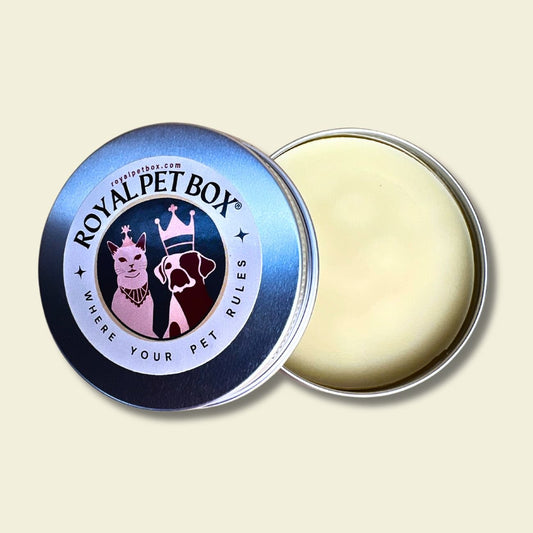
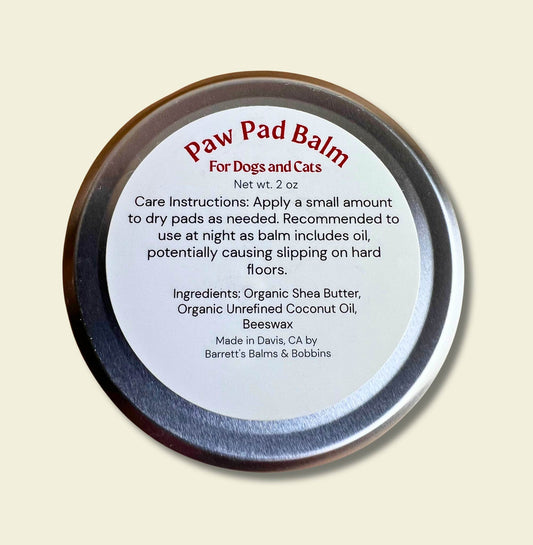
Allergies are the number one medical reason dogs lick their paws. Environmental allergens like grass, pollen, dust mites, and certain cleaning products can leave the soft skin between the toes itchy and inflamed, while food sensitivities to common proteins or grains often show up the same way. Soothing dry, cracked, or irritated paw pads is a great first step at home — our All Natural Paw Pad Balm is made with gentle ingredients designed to moisturize and protect tender pads after walks on hot pavement, salted sidewalks, or rough terrain. If you notice red skin, a rusty saliva stain on the fur, or a yeasty smell, an allergy work-up with your vet is the next step.
Anxiety, Boredom, and Compulsive Paw Licking
Not every paw-licker has a skin issue. Just like people bite their nails when they're stressed, dogs sometimes lick their paws to cope with anxiety, separation distress, or simple boredom. Watch when the licking happens. Does it spike when you grab your keys, when fireworks go off, or when your dog has been alone all day? Pattern matters. Adding more enrichment to your dog's routine — daily walks, puzzle feeders, sniff games, training sessions — can dramatically reduce stress-related licking. For severe or compulsive cases, ask your vet about behavior consults or short-term anxiety support.
Injuries, Foreign Objects, and Cracked Paw Pads
Sudden, intense focus on one paw is almost always physical. Common culprits include a small cut from glass or a thorn, a broken or torn nail, a grass seed lodged between the toes, a stuck pebble, or a cracked pad from hot pavement, ice melt, or rough trails. Gently inspect the paw in good light: spread the toes, check between the pads, look at the nails, and feel for swelling or heat. If you can safely remove a small foreign object and the area looks clean, watch closely for 24 hours. If you see active bleeding, pus, severe swelling, or your dog won't let you near the paw, head to the vet.
How to Help and When to Call the Vet

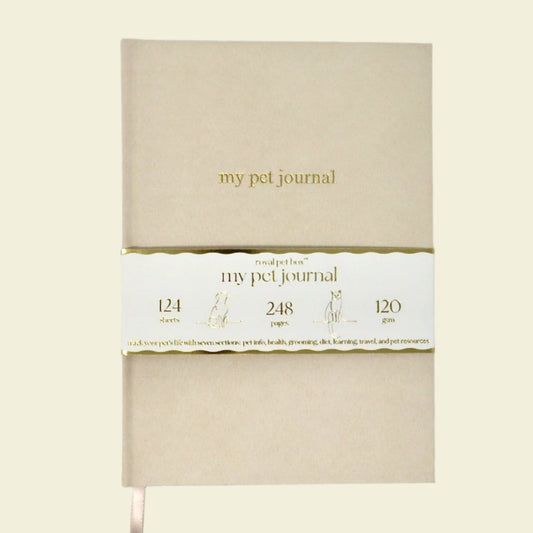
The single most useful thing you can do at home is keep a record. Tracking when your dog licks, which paw, what they ate that week, where you walked, and any new products in the house gives your vet a real diagnostic head start — our My Pet Journal gives you a dedicated 248-page space to log meals, walks, vet visits, and behavioral notes all in one place. Beyond logging, simple steps help: rinse paws with cool water after walks, dry between the toes thoroughly, trim long fur around the pads, and keep nails short. Call your vet if licking continues for more than a few days, the skin looks raw, you notice limping, or the paw smells off — early treatment almost always means a faster, easier recovery.
Paw licking is your dog's way of telling you something — sometimes it's just tidiness, sometimes it's an itch, and sometimes it's a flag for a deeper problem. Pay attention to frequency, location, and timing, give the paws a little extra TLC, and lean on your vet whenever the behavior changes. With a watchful eye and the right care routine, most paw-licking habits are completely manageable.
Occasional paw licking is normal grooming, but persistent, obsessive licking is almost always a symptom of something else — allergies, skin infection, joint pain, or behavioral stress. Please consult your veterinarian before trying topical balms, antihistamines, supplements, or e-collars on your own; the right treatment depends on the underlying cause.
Check out our luxury pet products at reasonable prices. Visit our "Royal Pet Box Pet TV" Channel on both Roku and YouTube for fabulous pet-related education and entertainment.
Paris Deesing holds a degree in Biological Anthropology from UCLA and provides the editorial review behind each article, drawing on a long-held curiosity about the animals who share our lives.
This article was created using artificial intelligence with human editorial review and oversight.