Why Is My Bird Plucking Its Feathers? Causes and How to Help
Paris DeesingIf you've noticed your feathered friend pulling out their own feathers, it can feel alarming — and it should prompt attention. Feather plucking, also called feather destructive behavior (FDB), is one of the most common behavioral challenges in pet birds, particularly parrots, cockatiels, African greys, and cockatoos. While feather plucking isn't always immediately dangerous, it almost always signals that something needs to change in your bird's environment, diet, or health. Here's what every bird owner should know.
What Is Feather Plucking and Which Birds Are Most Commonly Affected?
Feather plucking — or feather destructive behavior — occurs when a bird deliberately removes, chews, or damages its own feathers. It's important to distinguish this from normal preening, which is healthy and helps birds maintain their plumage. Plucking is more aggressive, repetitive, and results in visible bare patches, typically on the chest, abdomen, or inner wings (areas the bird can reach but not easily see). Birds most often affected include African grey parrots, cockatoos, Amazon parrots, cockatiels, and conures.
Common Causes of Feather Plucking in Pet Birds
Feather plucking is almost never a single-cause problem. The most frequently cited reasons include:
Boredom and under-stimulation: Birds in the wild spend hours foraging, flying, and socializing. In captivity, a bird with little mental stimulation may turn to feather plucking as a self-soothing behavior. Foraging toys and puzzle feeders can dramatically reduce boredom-driven plucking.
Stress and anxiety: Changes in routine, new pets or family members, a moved cage, or lack of adequate sleep can all trigger stress-related plucking. Birds are sensitive to environmental shifts, and what seems minor to you can feel significant to them.
Loneliness: Many parrot species are highly social and need daily interaction. A bird left alone for long stretches may pluck out of loneliness or frustration.
Nutritional deficiencies: A diet consisting entirely of seeds is one of the most common nutritional problems in pet birds. Deficiencies in vitamins A, D3, calcium, and amino acids can cause dry, itchy skin — leading to plucking. Transitioning to a pellet-based diet with fresh vegetables is often recommended by avian vets.
Medical conditions: Bacterial or fungal infections, external parasites, allergies, liver disease, and hormonal imbalances can all cause skin irritation that triggers plucking. This is why a vet visit is always the right first step when plucking begins.

How to Tell If Your Bird's Plucking Is Behavioral or Medical
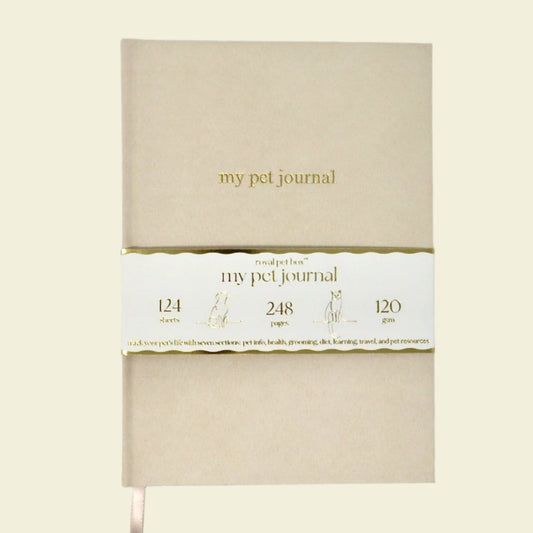
Keeping a detailed record of your bird's symptoms, diet, and daily routine is one of the most valuable things you can do before your vet appointment. Our Pet Journal — Deluxe Edition gives you a dedicated place to log feather loss patterns, dietary changes, environmental stressors, and vet visit notes — so nothing slips through the cracks when you're trying to pinpoint the cause. Your avian vet will likely perform a physical exam, feather and skin analysis, blood work, and possibly cultures to check for bacterial or fungal infections.
Signs the plucking may be behavioral: it started after a change in environment, it happens primarily when the bird is bored or alone, the skin beneath looks healthy, and the bird otherwise seems alert and active. Signs it may be medical: the skin looks irritated, red, or flaky; the bird seems lethargic or is eating less; or plucking began suddenly with no obvious environmental trigger.
How to Help a Feather-Plucking Bird Recover
Once you've worked with your avian vet to rule out or treat any medical causes, these strategies are most effective for addressing behavioral feather plucking:
Add foraging opportunities: Replace simple food dishes with foraging toys and treat holders that require your bird to work for food. This engages natural instincts and significantly reduces the idle time that can lead to plucking.
Increase social time: Aim for meaningful, one-on-one interaction every day. Even 20–30 minutes of out-of-cage time and direct engagement can make a significant difference for highly social species like African greys and cockatoos.
Stabilize the environment: Keep the cage in a consistent location, maintain a predictable daily routine, and ensure your bird gets 10–12 hours of darkness for sleep each night. Covering the cage at night to block out light and noise can also help reduce anxiety.
Improve the diet: Transition gradually to a high-quality pellet diet supplemented with fresh vegetables, leafy greens, and limited fruit. Avoid heavily processed treats or an all-seed diet, both of which are linked to nutritional deficiencies.
Consider an e-collar for severe cases: If the bird is causing injury to itself, your vet may recommend a temporary e-collar (cone) to allow the skin and feather follicles to heal while you address the root cause. This should always be done under veterinary guidance.
Recovery from feather plucking takes patience. For some birds, identifying and correcting the trigger brings rapid improvement. For others, it can be a long-term management challenge. Stay consistent, stay patient, and always keep your avian vet in the loop.
Feather plucking can feel discouraging, but with the right combination of veterinary care, environmental enrichment, and daily social engagement, most birds show meaningful improvement over time. Your bird is telling you something — the key is listening carefully and responding with the support they need.
Feather destructive behavior is one of the most complex problems in companion birds and frequently has medical roots — from skin infections to heavy-metal toxicity to nutritional deficiencies. Please don’t try to diagnose or treat plucking at home; consult an avian veterinarian for a full work-up before changing your bird’s diet, environment, or supplements.
Check out our luxury pet products at reasonable prices. Visit our "Royal Pet Box Pet TV" Channel on both Roku and YouTube for fabulous pet-related education and entertainment.
Paris Deesing holds a degree in Biological Anthropology from UCLA and provides the editorial review behind each article, drawing on a long-held curiosity about the animals who share our lives.
This article was created using artificial intelligence with human editorial review and oversight.