Your Indoor Cat's Hunting Instinct: How to Satisfy It Without a Single Mouse
Paris DeesingYour cat may never catch anything more dangerous than a crumpled receipt, yet deep down she is still a small, superbly engineered predator. The drive to stalk, chase, and pounce doesn't switch off just because dinner now comes from a can. Understanding your indoor cat's hunting instinct is the key to a calmer, happier, better-behaved companion, and the good news is you can satisfy that ancient urge without a single mouse ever entering your home.
Why Indoor Cats Still Crave the Hunt
Domestic cats split from their wild ancestors only a few thousand years ago, which is barely a blink in evolutionary time. Their bodies and brains are still wired for the daily work of catching small prey. In the wild, a cat might make dozens of hunting attempts a day, succeeding only a fraction of the time. That means the hunt itself, not the meal, is what occupies most of a cat's waking energy. When we bring cats indoors and fill the food bowl on schedule, we remove the danger and the hunger but leave the powerful instinct completely intact. An indoor cat with no outlet for that drive is a bit like an athlete with nowhere to run.
The Five Stages of a Cat's Hunting Sequence
Feline hunting isn't one motion but a predictable chain of behaviors: stare, stalk, chase, pounce, and grab-bite. You can watch the whole sequence play out when your cat fixates on a toy, lowers her body, creeps forward, sprints, leaps, and finally clutches her catch with her front paws while raking it with her back feet. A toy that lets a cat complete this full arc is far more satisfying than one that only triggers part of it. This is exactly why an interactive wand works so well, sweeping and darting like a fleeing animal so your cat can stalk and chase before the final pounce.

Signs Your Cat's Hunting Drive Is Going Unmet
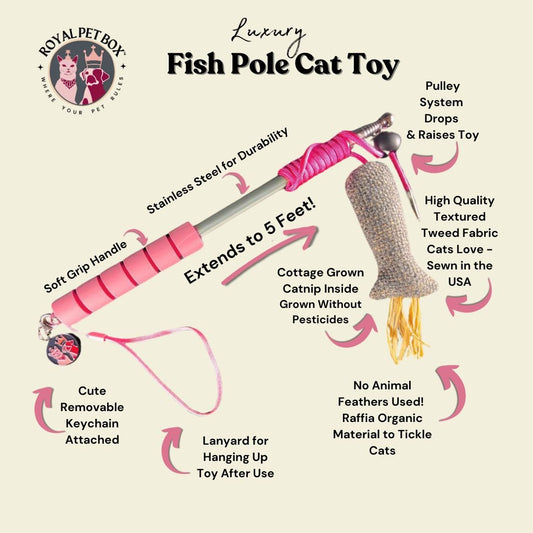
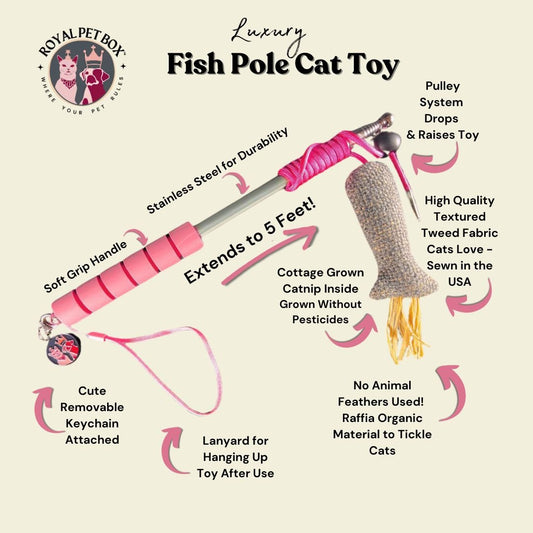
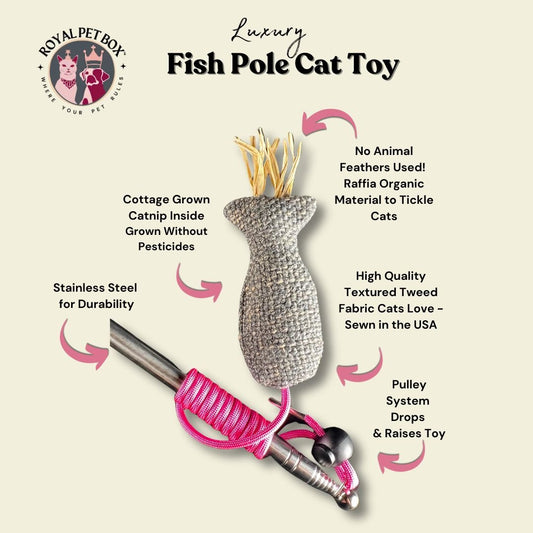
When the hunting instinct has nowhere to go, it tends to leak out in ways owners find frustrating. Our Luxury Extendible Fish Pole Cat Toy is built to redirect that energy, mimicking the erratic movement of real prey so your cat can finally chase something worth chasing. Without an outlet, you may notice ambush attacks on your ankles, dawn and dusk "zoomies," over-grooming, destructive scratching, or a cat who pesters you relentlessly for attention. None of these mean your cat is being naughty. They are signals that a hardworking little hunter has been left without a job to do.
How to Satisfy the Hunting Instinct Through Play
The fix is structured, prey-style play that lets your cat run the full hunting sequence to completion. Move the toy away from your cat rather than toward her, the way a real mouse or bird would flee. Let her stalk, build tension with pauses, and reward the effort by letting her actually catch the toy at the end. Ending a session with a successful "kill" and then a small snack mirrors the natural hunt-eat-groom-sleep cycle and helps a wound-up cat settle.

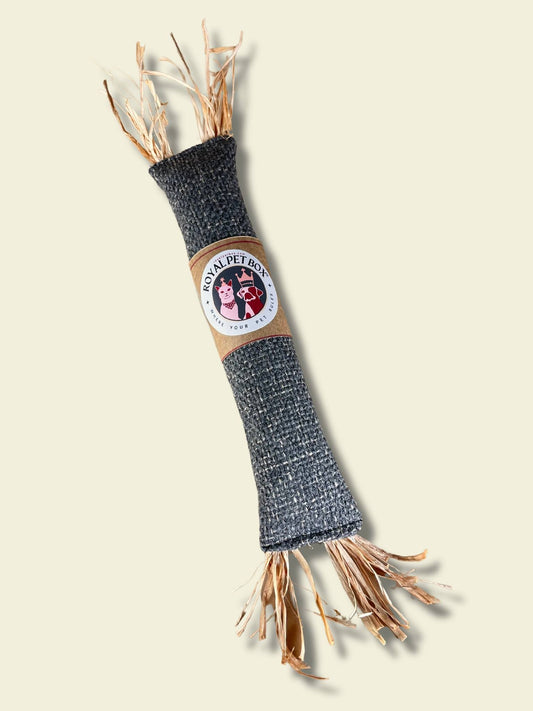
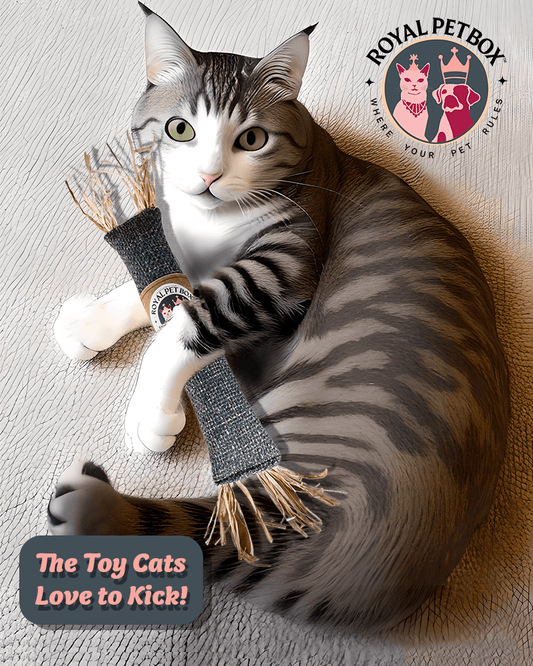
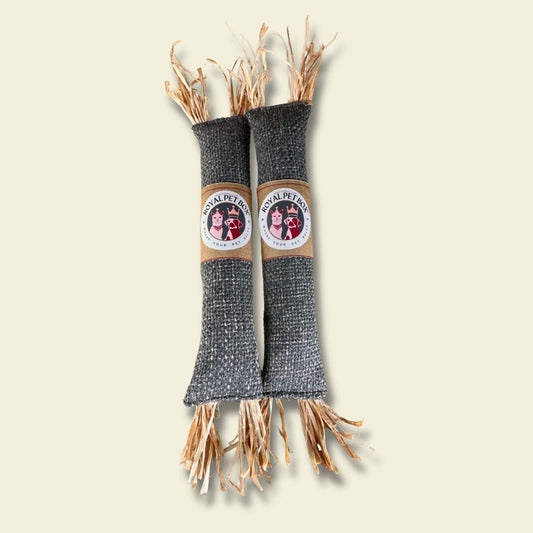
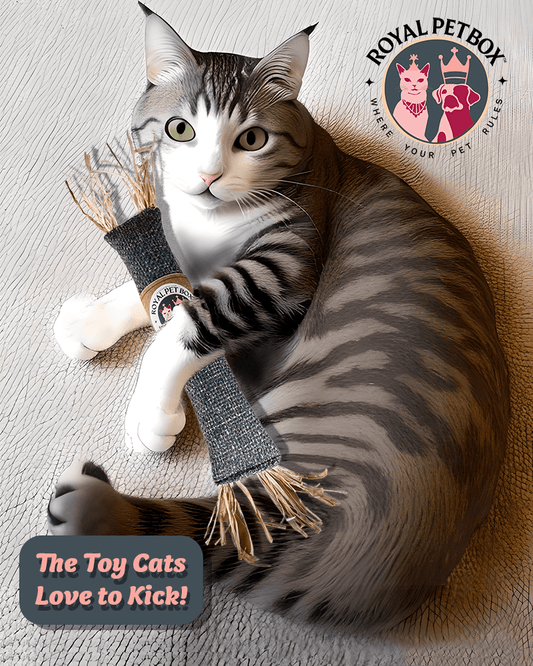
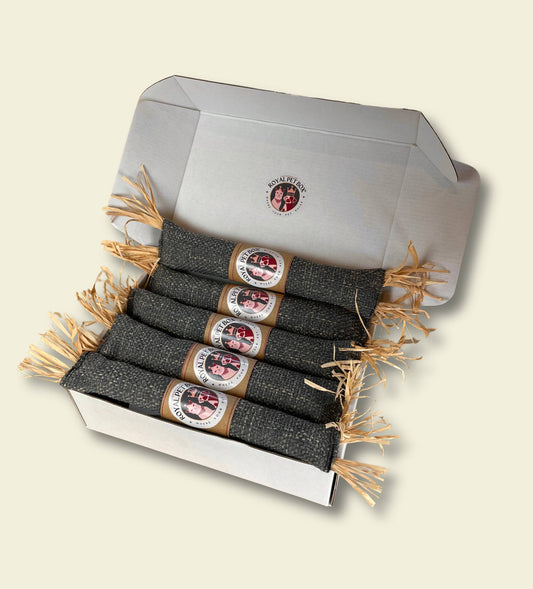
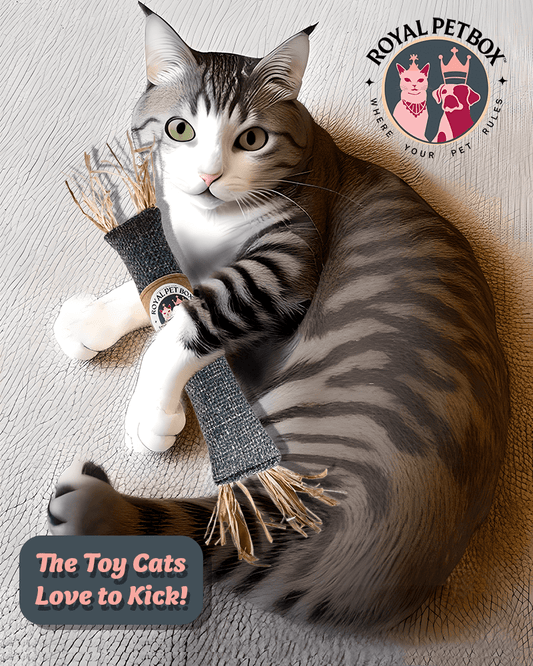
For that grab-bite finale, give your cat something she can wrestle, bite, and bunny-kick to her heart's content. Our Luxury Cat Kicker Toy is sized to be clutched in the front paws and raked with the back legs, satisfying the most physical stage of the hunt, and the silver vine and catnip inside give reluctant players an extra reason to engage. Rotate a few toy types so the "prey" stays novel, since cats lose interest fast in anything that becomes too predictable.
Building a Daily Hunting Routine
Consistency matters more than marathon sessions. Two or three short bursts of ten to fifteen minutes, ideally around dawn and dusk when cats are naturally most active, will do more for your cat's wellbeing than one long weekend play date. Scatter feeding, food puzzles, and a window perch with a bird feeder outside all add extra "hunting" opportunities throughout the day.

Keeping notes on what gets your cat moving helps you spot patterns and fine-tune the routine over time. Our My Pet Journal gives you a dedicated place to log which toys spark the biggest response, how long your cat stays engaged, and any changes in her energy or behavior. Over a few weeks you'll have a clear picture of exactly what keeps your indoor hunter satisfied.
Your cat doesn't need a backyard full of prey to feel fulfilled. She needs the chance to stalk, chase, and conquer something every single day. Meet that instinct with a little structured play, and you'll trade ankle ambushes and 3 a.m. zoomies for a cat who is calmer, more confident, and genuinely content in the home you share.
Check out our luxury pet products at reasonable prices. Visit our "Royal Pet Box Pet TV" Channel on both Roku and YouTube for fabulous pet-related education and entertainment.
Paris Deesing holds a degree in Biological Anthropology from UCLA and provides the editorial review behind each article, drawing on a long-held curiosity about the animals who share our lives.
This article was created using artificial intelligence with human editorial review and oversight.