Bloat in Dogs: Recognizing GDV, the Emergency That Can't Wait
Paris DeesingMost canine emergencies give you time to think. Bloat does not. Gastric dilatation-volvulus — GDV, or simply “bloat” — can take a healthy dog from normal to critical in under two hours, and it targets the big, deep-chested breeds many of us love. Recognizing it early genuinely saves lives.
What Bloat in Dogs Actually Is
Bloat starts when a dog’s stomach fills with gas and distends. That stage alone, gastric dilatation, is painful but survivable. The danger comes when the swollen stomach rotates on its axis — volvulus — sealing off the entrance and the exit, so gas has nowhere to go and the organ keeps expanding.
That twist does more than trap air. It pinches off major blood vessels, cuts circulation to the stomach wall and spleen, and presses on the diaphragm. Shock follows quickly. Untreated GDV is almost always fatal; with fast surgery, survival rates are good, and the biggest variable is how quickly the dog reaches a vet.

The Warning Signs of Bloat Every Dog Owner Should Know
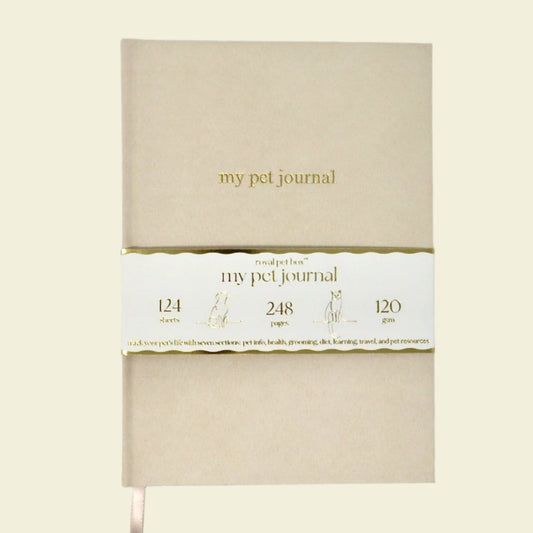
The earliest signs of bloat look like ordinary discomfort, which is why a written baseline helps — our My Pet Journal gives you one place to log meal times, weight, and energy, so an abnormal evening stands out instead of getting explained away.
Watch for these, especially in combination:
- Unproductive retching. Repeated attempts to vomit that bring up nothing, or only foam. The classic red flag.
- A swollen, taut belly just behind the ribs, tight and almost drum-like.
- Restlessness and pacing. The dog cannot settle, or adopts a “praying” stretch with chest down and hindquarters up.
- Heavy, ropey drooling alongside the retching.
- Rapid, shallow breathing and a fast heart rate.
- Pale gums, weakness, or collapse — signs of shock, meaning the clock has nearly run out.
Every dog carries pain differently, and some of these signs overlap with a simple stomach upset. If your dog is retching without producing anything and looks uncomfortable, treat it as an emergency rather than waiting it out — your veterinarian would far rather rule bloat out than meet it late.
Which Dogs Face the Highest Risk of GDV
Body shape matters most. Deep, narrow chests give the stomach more room to swing and rotate. Great Danes carry the highest lifetime risk of any breed, followed by Saint Bernards, Weimaraners, Irish and Gordon Setters, Standard Poodles, German Shepherds, Dobermans, and Boxers.
Other factors stack on top of breed. Risk climbs with age, and dogs with a parent or sibling who has had GDV are meaningfully more likely to experience it. Very lean body condition and an anxious temperament have both been linked to higher rates. None of this guarantees anything — plenty of Great Danes live long, uneventful lives — but it tells you how vigilant to be.

Feeding Habits That May Lower Bloat Risk
How a dog eats appears to matter as much as what a dog eats — our recommended The Forever Dog Life Book is a useful companion here, with 120 recipes and a practical look at how mealtime structure fits into canine health.
The habits most often recommended for at-risk dogs:
- Split the daily ration into two or three smaller meals rather than one large one.
- Slow the pace. A slow-feeder bowl, snuffle mat, or wide tray reduces how much air a fast eater swallows.
- Keep mealtimes calm. In multi-dog homes, feeding separately removes competitive gulping.
- Ease off vigorous exercise around meals. The evidence is debated, but most vets still suggest a quiet window.
- Reconsider raised feeders. A large study of giant breeds linked elevated bowls to increased GDV risk — the opposite of what many owners assume.
These are population-level patterns, not a prescription for an individual dog. Portion sizes and whether a raised bowl helps or hurts depend on your dog’s size, age, and any orthopedic or digestive conditions already in play, so run changes past your vet first.

What to Do If You Suspect Bloat
Go straight to an emergency veterinary hospital and call from the car so the team can prepare. Minutes matter more here than in almost any other canine emergency, which is why having your dog’s essentials on hand is worth sorting out today — our recommended 10 Pack Pet ID Clear Sleeve keeps a card with your vet’s number, weight, and current medications ready to hand over.
Do not try to relieve the pressure yourself, induce vomiting, or offer food and water. There is no home remedy for a rotated stomach. At the hospital, the team will treat for shock, decompress the stomach, confirm the twist on X-ray, and move to surgery.
Gastropexy: The Surgery That Prevents the Twist
A gastropexy attaches the stomach wall to the abdominal wall, so the organ can still distend but cannot rotate. Surgeons typically perform one during emergency GDV surgery, and for the highest-risk breeds it is often done preventively — frequently alongside a spay or neuter, and increasingly by a minimally invasive laparoscopic approach.
It is not a universal recommendation. Whether it makes sense depends on breed, family history, age, and anesthetic risk — a conversation worth having at a routine visit, long before there is an emergency.
Bloat is frightening because it is fast, but it is also an emergency where an informed owner changes the outcome. Learn the retching-without-vomiting sign, know whether your dog’s build puts them in the at-risk group, keep meals small and unhurried, and have your emergency vet’s number where you can find it in the dark. That preparation buys the hour that matters most.
Check out our luxury pet products at reasonable prices. Visit our "Royal Pet Box Pet TV" Channel on both Roku and YouTube for fabulous pet-related education and entertainment.
Paris Deesing holds a degree in Biological Anthropology from UCLA and provides the editorial review behind each article, drawing on a long-held curiosity about the animals who share our lives.
This article was created using artificial intelligence with human editorial review and oversight.