Can Cats Drink Milk? The Truth About Cats and Dairy
Paris DeesingPicture the classic scene: a contented cat lapping cream from a saucer. It's charming, timeless, and — as it turns out — a little misleading. Milk and cats have been paired in storybooks for generations, but the truth about cats and dairy is more complicated than those cozy illustrations suggest. If you've ever wondered whether a bowl of milk is a treat or a tummy ache waiting to happen, here's what every cat owner should know.

Why Do Cats Love Milk So Much?
Cats are drawn to milk for a simple reason: it's rich in fat and protein, and those flavors register as deeply satisfying to a carnivore's palate. That saucer of cream is basically a concentrated hit of the nutrients a cat's body craves, so the enthusiasm is real. Tracking which treats agree with your cat and which cause trouble is exactly the kind of detail that's easy to forget by your next vet visit — our My Pet Journal gives you a dedicated place to log diet changes, reactions, and health notes so patterns become obvious over time.
The problem is that what smells and tastes wonderful to a cat isn't always what their digestive system can actually handle. Attraction and tolerance are two very different things.
Are Cats Lactose Intolerant?
Most adult cats are, in fact, lactose intolerant. As kittens, they produce plenty of an enzyme called lactase, which breaks down the lactose (milk sugar) in their mother's milk. But once a kitten is weaned, lactase production naturally winds down — the body simply stops making much of it because it no longer expects to encounter milk.
Without enough lactase, the lactose in cow's milk passes through the gut undigested, where it ferments and draws in water. The result is an upset stomach rather than a nourishing snack. A small number of cats retain more lactase into adulthood and tolerate dairy better, but they're the exception, not the rule.
What Happens If a Cat Drinks Milk?
For a lactose-intolerant cat, a bowl of milk often leads to digestive upset within a few hours: bloating, gas, stomach cramps, and loose stools or diarrhea. It's rarely dangerous in small amounts, but it's genuinely uncomfortable — and a repeated habit can leave a sensitive cat feeling unwell more often than their owner realizes.
Every cat's tolerance is a little different — if your cat has ongoing diarrhea, vomiting, or seems lethargic after any dietary change, loop in your veterinarian to rule out something that needs hands-on care rather than waiting it out.
Can Kittens Drink Cow's Milk?
This surprises a lot of people: even kittens shouldn't drink cow's milk. While young kittens do digest lactose, cow's milk isn't nutritionally balanced for them and can cause the same digestive distress. An orphaned or nursing-age kitten needs a proper kitten milk replacer (KMR) formulated to match feline milk — never cow's milk from the fridge. When in doubt about feeding a very young kitten, your vet can point you to the right formula and schedule.

Better Treats Than a Bowl of Milk
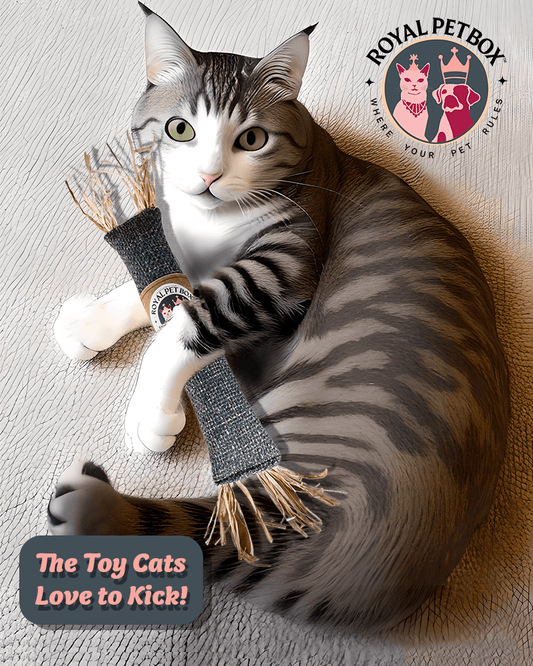
The good news is that your cat won't miss dairy if you offer something they'll enjoy just as much. Fresh, clean water is the single most important drink for a cat — many cats prefer a wide bowl or a gently moving fountain. For an indulgence, reach for cat-safe treats or a species-appropriate pleasure instead: our Organic Catnip gives most cats a joyful, calorie-free moment of bliss without a single drop of dairy. If you'd still like to share something creamy, look for lactose-free "cat milk" products made specifically for felines, and offer only small amounts.
So, can cats drink milk? A few can tolerate a little, but for most cats that classic saucer of cream is more trouble than treat. Skip the dairy, keep the water bowl full, and save your cat the stomachache — they'll be just as happy with a treat that actually loves them back.
Check out our luxury pet products at reasonable prices. Visit our "Royal Pet Box Pet TV" Channel on both Roku and YouTube for fabulous pet-related education and entertainment.
Paris Deesing holds a degree in Biological Anthropology from UCLA and provides the editorial review behind each article, drawing on a long-held curiosity about the animals who share our lives.
This article was created using artificial intelligence with human editorial review and oversight.