Can Dogs Eat Pumpkin? Safe Servings, Benefits, and What to Avoid
Paris DeesingPumpkin season is here, and if your dog has ever stared you down while you scoop out a jack-o'-lantern, you've probably wondered: can dogs eat pumpkin? The short answer is yes — plain pumpkin is one of the most dog-friendly foods in your autumn kitchen. But the type you serve, how you prepare it, and how much you offer all make a big difference. Here's what every dog owner should know before sharing a spoonful.

Is Pumpkin Safe for Dogs?
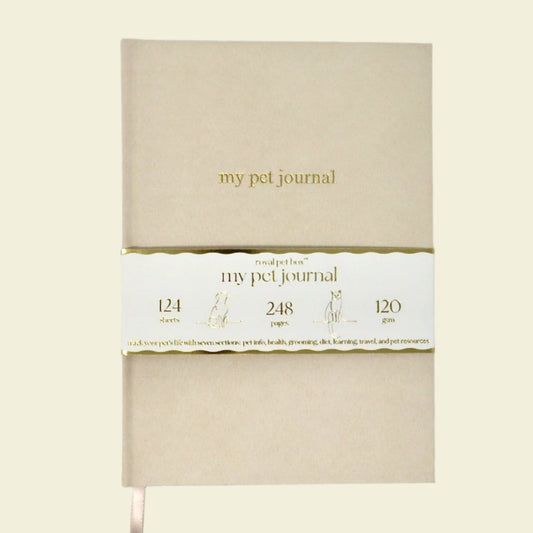
Whenever you add a new food to your dog's routine, it helps to write down what you served and how your dog's stomach handled it — our My Pet Journal gives you a dedicated diet section to track new foods, portions, and any tummy changes in one place.
Plain, cooked pumpkin flesh is safe for most dogs. It's low in calories, naturally sweet, and rich in fiber, beta-carotene (which the body converts to vitamin A), vitamin C, and potassium. Many dogs love the taste, which makes it an easy, wholesome add-on to a regular meal.
The key word is plain. Pumpkin itself isn't the problem — it's what we humans tend to add to it.
Canned Pumpkin vs. Pumpkin Pie Filling: A Crucial Difference
The easiest way to serve pumpkin is 100% pure canned pumpkin puree. Check the label: the only ingredient should be pumpkin. It's convenient, consistent, and easy to portion.
Pumpkin pie filling looks almost identical on the shelf, but it's a different product. It usually contains added sugar and spices like nutmeg and cinnamon, and nutmeg in particular can upset a dog's stomach. Some "light" or sugar-free pumpkin products may also contain xylitol, a sweetener that is highly toxic to dogs. The same goes for pumpkin spice lattes, pumpkin bread, and pie — keep those treats on your own plate.
Fresh pumpkin works too, as long as you cook it (steamed, baked, or boiled) with no salt, butter, or seasoning, and remove the skin, stem, and stringy pulp first.
Pumpkin for Dogs' Digestion: How the Fiber Helps
Pumpkin has earned its reputation as a tummy-friendly food because of its fiber content. Soluble fiber absorbs water, which can help firm up mildly loose stools. At the same time, fiber adds bulk and moisture that can help keep things moving when a dog is a little backed up. That's why many owners keep a can in the pantry for minor digestive hiccups.
That said, pumpkin is a gentle helper, not a cure. Diarrhea that lasts more than a day or two, constipation with straining, vomiting, blood in the stool, or a dog who seems lethargic or won't eat all need a vet visit — not a bigger scoop of pumpkin.
Pumpkin can soothe a minor upset, but it can also mask the early days of something more serious — if your dog's digestion isn't back to normal within a day or two, it's time to let your vet take a look.

How Much Pumpkin Can a Dog Eat?
If you'd like to go beyond pumpkin and build more fresh, whole foods into your dog's bowl, our recommended Forever Dog Life Book is packed with recipes and longevity tips for healthier everyday meals.
When it comes to pumpkin, a little goes a long way. A common starting point is about a teaspoon or two for small dogs and a tablespoon or two for large dogs, mixed into a meal. Start at the low end and see how your dog's digestion responds over a day or two before offering more.
More isn't better. Too much fiber can actually cause loose stools or gas, and pumpkin should stay an occasional add-on rather than a replacement for a complete, balanced diet.
These amounts are general starting points for healthy adult dogs — your vet can suggest the right portion for your dog's size, age, and any conditions like diabetes or a sensitive stomach.
Handy tip: an opened can of pumpkin only keeps for several days in the fridge, so many owners spoon the leftovers into an ice cube tray and freeze single portions. Frozen pumpkin cubes also make a refreshing chew-and-lick treat.
Pumpkin Seeds, Stems, and Jack-o'-Lanterns: What to Avoid
- Stems and rind: tough and hard to digest, and they can be a choking or blockage risk.
- Carved jack-o'-lanterns: once a pumpkin has sat out, it can start to mold, which can make dogs sick. Keep decorations out of reach and toss them when they soften.
- Raw pumpkin: not toxic, but much harder to digest than cooked pumpkin.
- Seeds: plain, roasted, unsalted seeds are okay in small amounts, ideally ground up. Skip salted or seasoned seeds, and don't let your dog gobble a pile of whole raw seeds — they're high in fat and can be tough on small dogs.
The Bottom Line on Dogs and Pumpkin
Yes, dogs can eat pumpkin — and plain, cooked, or canned pure pumpkin can be a healthy, fiber-rich treat that many dogs adore. Stick with 100% pumpkin, skip the pie filling and spices, start with small portions, and keep jack-o'-lanterns out of reach. Served the right way, a spoonful of pumpkin is an easy way to let your pup join in the flavors of fall.
Check out our luxury pet products at reasonable prices. Visit our "Royal Pet Box Pet TV" Channel on both Roku and YouTube for fabulous pet-related education and entertainment.
Paris Deesing holds a degree in Biological Anthropology from UCLA and provides the editorial review behind each article, drawing on a long-held curiosity about the animals who share our lives.
This article was created using artificial intelligence with human editorial review and oversight.