Cat Trees and Wall Shelves: A Complete Guide to Vertical Space for Cats
Paris DeesingIf your cat spends half the day on top of the refrigerator, the bookcase, or the back of the sofa, there's a good reason. Cats live in three dimensions, and for many indoor cats the floor is only a small part of their world. Adding vertical space — cat trees, wall shelves, window perches, and walkways — is one of the simplest, most effective ways to make your home feel bigger, calmer, and more interesting to your cat.
Why Cats Need Vertical Space
Cats are an unusual mix: skilled predators and, at the same time, small enough to be prey for larger animals. Height serves both sides of that identity. A high perch lets a cat survey the room, watch for "threats" (the vacuum, the new dog, a visiting toddler), and spot anything worth stalking — all while feeling safely out of reach.
That sense of security matters. A cat who has somewhere elevated to retreat to is often more relaxed and confident than one who only has the floor and the space under the bed. For indoor cats, climbing is also built-in exercise.

How to Choose a Cat Tree Your Cat Will Actually Use
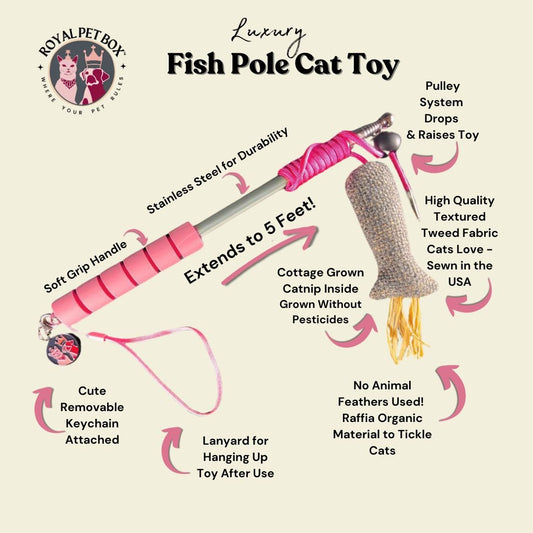
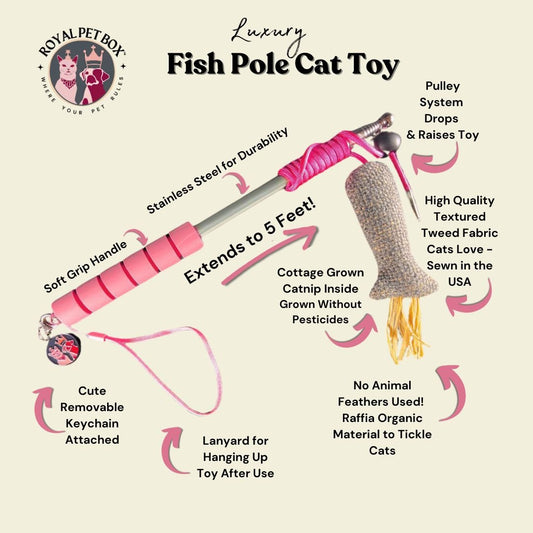
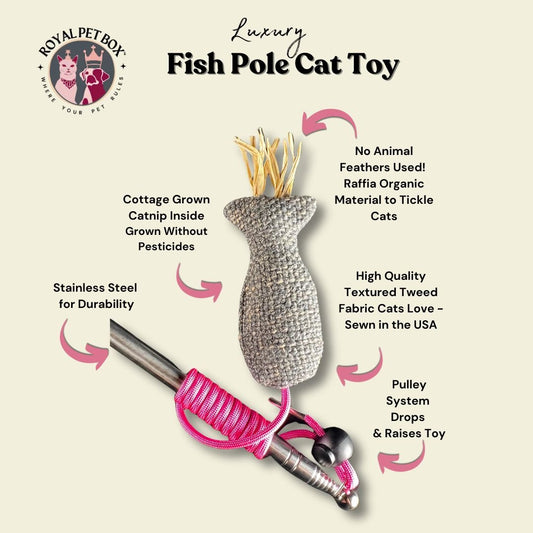
A wand toy is one of the easiest ways to introduce a new cat tree — trail our Luxury Extendible Fish Pole Cat Toy With Catnip up the platforms and most cats will happily follow the "prey" right to the top. Beyond that, look for:
- Stability first. A tree that wobbles when your cat lands on it may never be trusted again. Look for a wide, heavy base, or anchor taller towers to the wall.
- Real height. Many cats prefer the highest spot available. A taller tree with a top perch near eye level (or higher) usually beats a short, wide one.
- Roomy platforms. Perches should be big enough for your cat to stretch out fully, with a raised lip or cradle for cats who like to curl up.
- Built-in scratching. Sisal-wrapped posts give your cat a satisfying place to scratch and stretch, which can take some pressure off your furniture.
Where to Place Cat Trees and Perches
Location matters as much as the cat tree itself. Cats generally want their high spots where the action is — not tucked away in a spare room. The living room or anywhere you spend your evenings is ideal.
Window placement is especially popular: a perch beside a sunny window combines warmth, a lookout point, and endless "cat TV." If you have several perches, spread them across different rooms.
Setting Up Wall Shelves and Cat Walkways
Wall-mounted shelves, bridges, and walkways can turn an ordinary wall into a climbing route without taking up floor space.
- Mount securely. Screw shelves into wall studs or use hardware rated well above your cat's weight. A shelf that shifts under a landing cat is a fall waiting to happen.
- Keep jumps easy. Space steps so each one is a comfortable hop from the last.
- Add grip. Carpet, cork, or sisal tops help paws hold on, especially on smooth painted wood.
- Avoid dead ends. Wherever possible, give each route at least two ways up and down so a cat can't get cornered at the top.

Vertical Space in Multi-Cat Homes
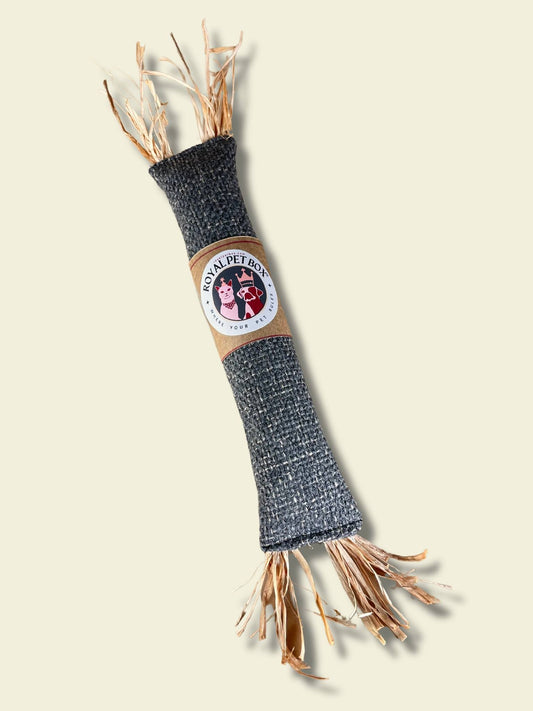
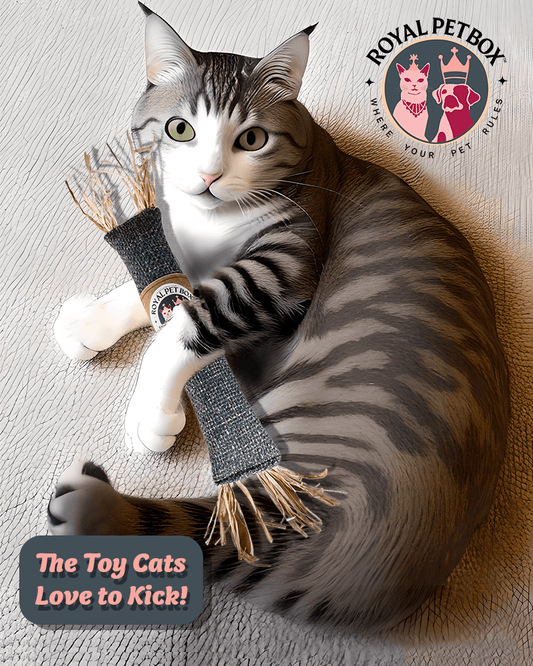
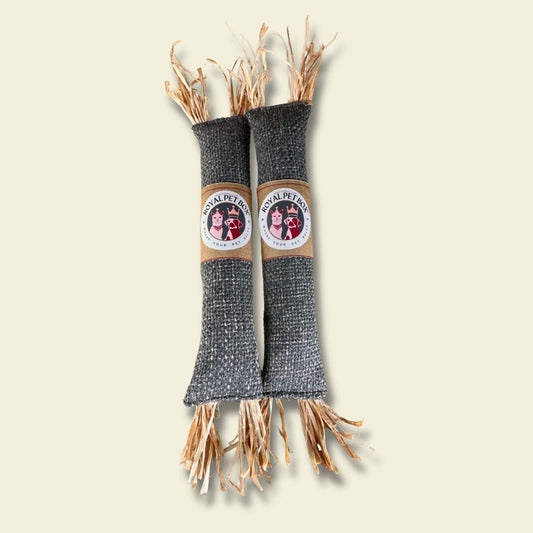
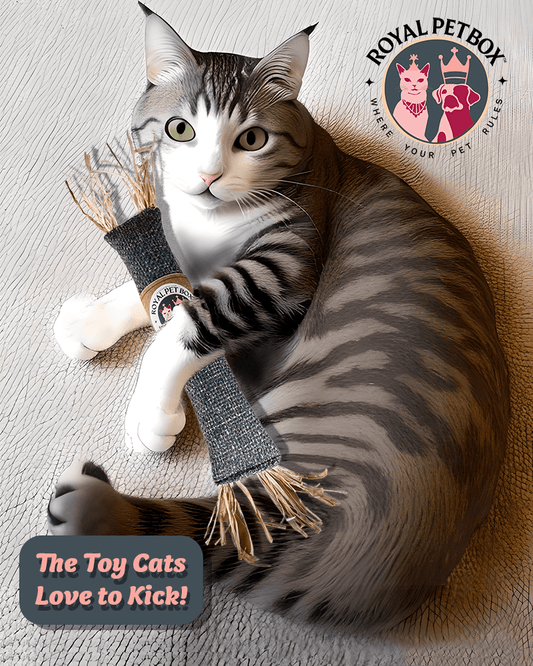
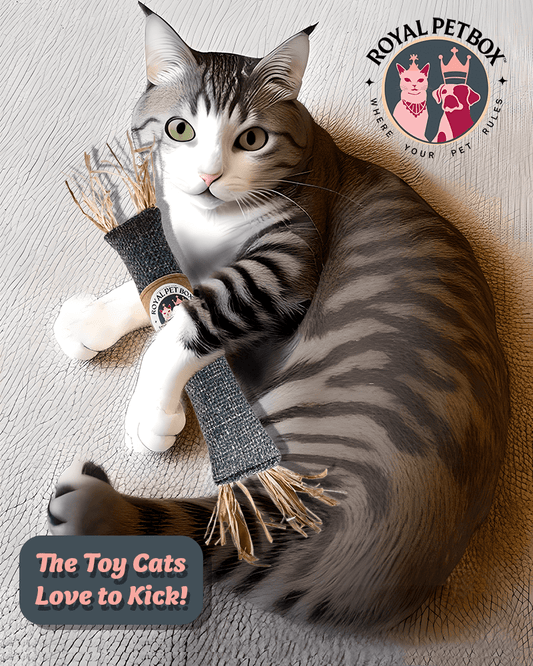
In a home with two or more cats, giving each cat its own favorite things — including toys like our Two Luxury Cat Kicker Toys in Gray Tweed with Silver Vine & Catnip — helps cut down on competition. Vertical space works the same way, on a bigger scale.
Shelves and cat trees effectively add square footage. Cats who don't get along perfectly can share a room while resting at different heights, and a cat who wants a break can simply move up and away instead of facing off. Offer several elevated spots so no single "best seat" becomes something to fight over.

Adapting Vertical Space for Kittens and Senior Cats
A cat's climbing habits are a surprisingly useful window into how they feel, and jotting them down in our My Pet Journal makes it easier to notice gradual changes — like a favorite top perch that suddenly goes unused.
Kittens are enthusiastic but clumsy climbers, so start them on lower, sturdier structures and supervise early adventures. Older cats still love a view, but stiff joints can make big jumps uncomfortable. Ramps, pet steps, and lower intermediate platforms let senior cats keep reaching their favorite spots without straining.
A cat who stops jumping onto places they used to reach easily isn't always just "slowing down" — that kind of change can be a quiet sign of joint pain, so it's worth mentioning to your vet at your cat's next checkup.
The Takeaway on Vertical Space for Cats
Cat trees, wall shelves, and window perches aren't just furniture — they speak your cat's language. A stable, well-placed climbing setup gives your cat security, exercise, and a better view of the world, and it can bring a little more peace to a multi-cat home. Start with one sturdy cat tree near a window, watch where your cat likes to go, and build up from there.
Check out our luxury pet products at reasonable prices. Visit our "Royal Pet Box Pet TV" Channel on both Roku and YouTube for fabulous pet-related education and entertainment.
Paris Deesing holds a degree in Biological Anthropology from UCLA and provides the editorial review behind each article, drawing on a long-held curiosity about the animals who share our lives.
This article was created using artificial intelligence with human editorial review and oversight.