Cat Urinary Blockage: The Emergency Signs Every Owner Needs to Know
Paris DeesingA cat that's straining in the litter box might just be constipated — or it might be minutes away from a life-threatening emergency. A urinary blockage, most common in male cats, is one of the few feline health problems where hours genuinely matter. Knowing the signs, and knowing them before you ever need them, is one of the most important things a cat owner can do.

What Is a Urinary Blockage, and Why Is It an Emergency?
A urinary blockage happens when crystals, inflammation, or a mucus plug narrow or fully close off a cat's urethra, making it impossible to pass urine. Because toxins build up in the bloodstream within hours, this is one of the few true feline emergencies — recognizing a change in litter box habits before it becomes a crisis matters. That's exactly why keeping a simple daily log in something like our My Pet Journal — noting water intake, litter box visits, and anything unusual — can help you catch a shift early enough to act.
The Warning Signs Every Cat Owner Should Know
Watch for frequent trips to the litter box with little or no urine produced, straining or crying while trying to go, excessive licking of the genital area, vomiting, hiding, loss of appetite, or crying out in pain. Some cats will pace, become restless, or strain in unusual places outside the box. A cat who is visibly trying to urinate but producing nothing is the single most urgent sign of all.
If your cat is straining and nothing is coming out, this isn't a wait-and-see situation — a fully blocked cat can go into kidney failure or a dangerous heart rhythm within a day, so an emergency vet visit tonight is the safer call than a routine appointment tomorrow.
Why Male Cats Are More Vulnerable
Male cats have a longer, narrower urethra than females, which makes them far more likely to become fully obstructed when crystals or inflammation are present — female cats can develop the same underlying bladder irritation but usually pass some urine even when uncomfortable. Neutering doesn't meaningfully change this risk. Indoor-only lifestyles, obesity, low water intake, multi-cat stress, and an all-dry-food diet are the risk factors that show up again and again, in both sexes, as contributors to painful, recurring flare-ups.
What Happens at the Vet
A blocked cat needs same-day emergency care. Vets typically sedate the cat to pass a urinary catheter and relieve the obstruction, then start IV fluids to flush toxins and correct dangerous electrolyte shifts — especially elevated potassium, which is what makes this condition capable of stopping a heart. Most cats are hospitalized for one to three days for monitoring. Cats who block repeatedly may eventually need a surgical widening of the urethra to prevent future emergencies.
Lowering the Risk: Water, Litter Boxes, and Stress

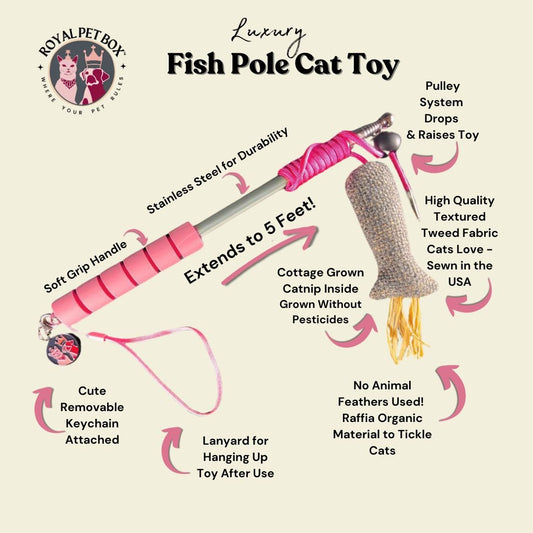
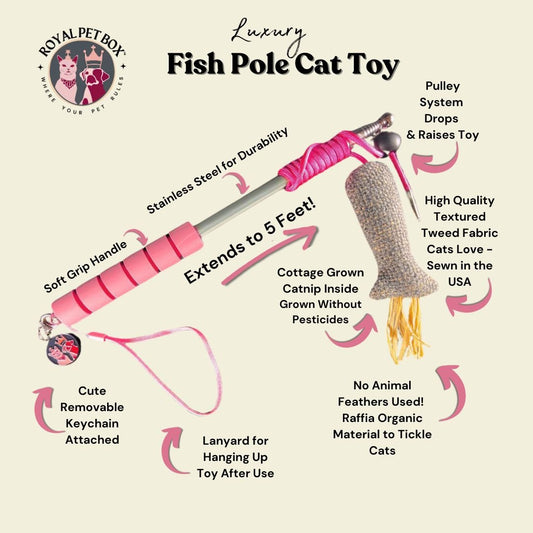
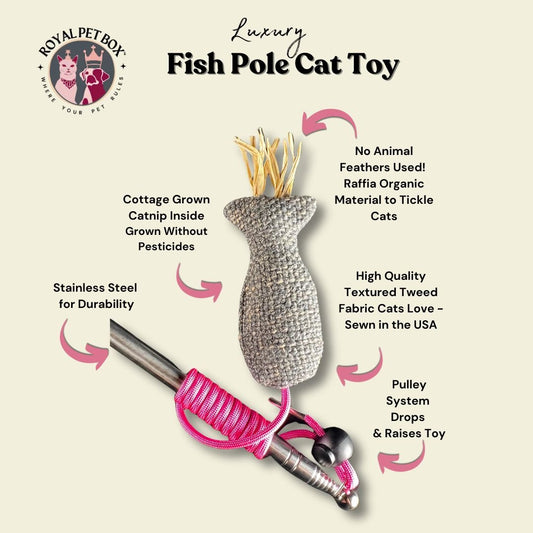
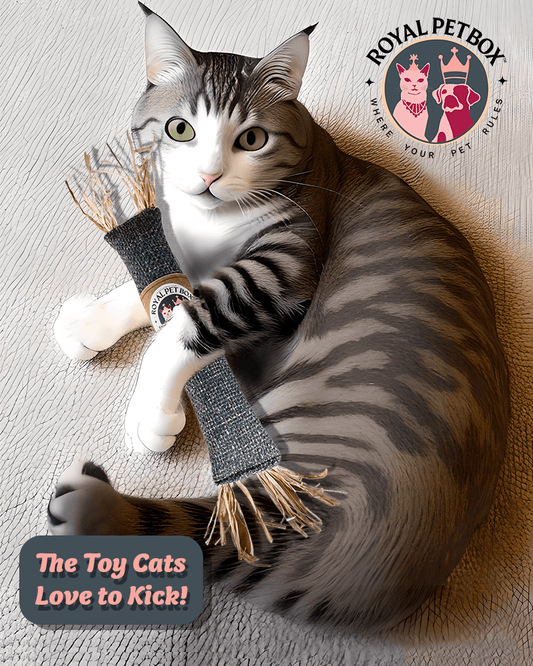
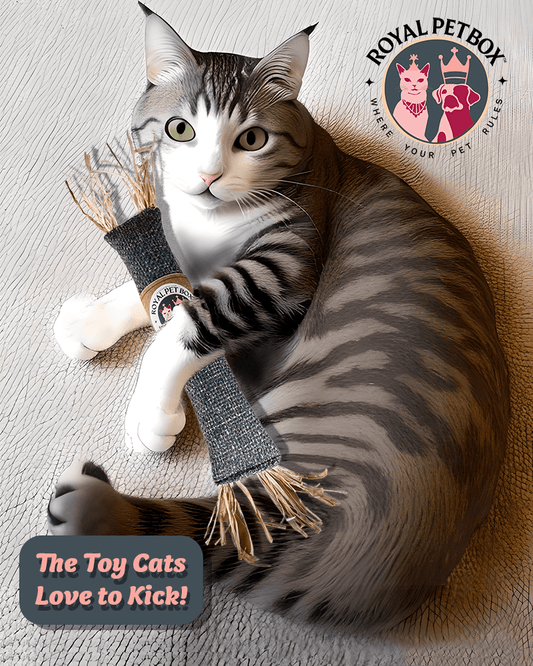
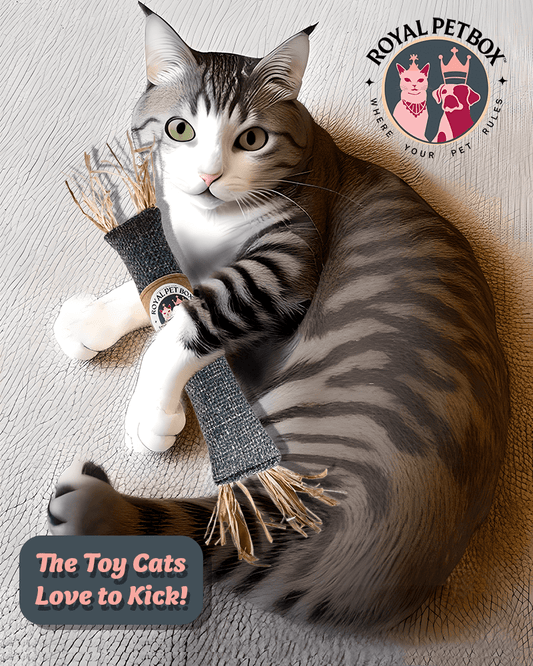
Since stress and low water intake are two of the biggest contributors to urinary flare-ups, small environmental changes go a long way: add a second water bowl or fountain, mix in wet food, and keep litter boxes clean and plentiful — the rule of thumb is one box per cat plus one extra. Giving indoor cats more outlets for normal feline behavior matters too. Interactive play with something like our Cat Kicker Toy gives cats a low-stress way to burn off pent-up energy, which vets increasingly view as part of managing recurrent feline urinary flare-ups alongside diet and hydration.
If your cat has blocked before, ask your vet about a prescription urinary diet and about which stressors in your home — a new pet, a moved litter box, a loud appliance — might be worth addressing directly.
Urinary blockages are both dangerous and, in many cases, preventable. Knowing the signs — and refusing to wait them out — is what turns a life-threatening emergency into a story about the night you got your cat to the vet just in time.
Check out our luxury pet products at reasonable prices. Visit our "Royal Pet Box Pet TV" Channel on both Roku and YouTube for fabulous pet-related education and entertainment.
Paris Deesing holds a degree in Biological Anthropology from UCLA and provides the editorial review behind each article, drawing on a long-held curiosity about the animals who share our lives.
This article was created using artificial intelligence with human editorial review and oversight.