Dog Car Sickness: What Causes It and How to Help Your Pup Ride Easy
Paris DeesingFor some dogs, the jingle of the car keys means pure joy. For others, it means drooling, whining, and an uneasy stomach before you have even backed out of the driveway. Dog car sickness is far more common than most owners realize, especially in puppies, and the encouraging news is that most dogs can learn to travel comfortably with a little patience and the right setup.

What Causes Car Sickness in Dogs?
Motion sickness in dogs usually comes down to the inner ear. The vestibular system, which governs balance, sends the brain conflicting signals when the body feels movement the eyes cannot fully track. The result is the same queasy feeling people get on a boat or in the back seat of a winding road trip.
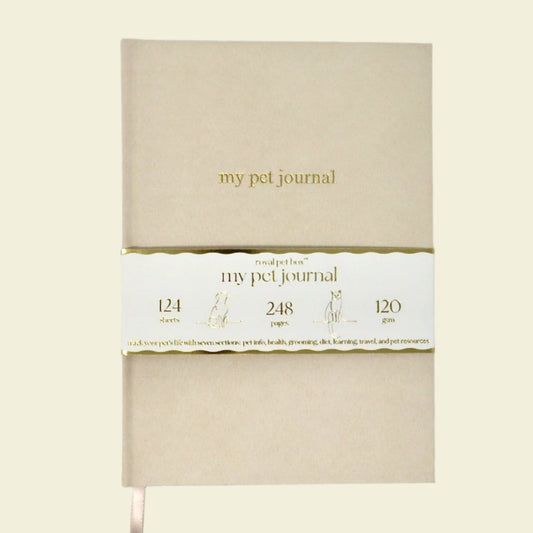
There is often a second, sneakier cause: anxiety. A dog whose only car rides end at the vet or the groomer can build a negative association, and the stress alone can trigger nausea. Keeping a simple log of when the trouble shows up helps you spot the pattern. Our My Pet Journal gives you a dedicated place to note each trip, what you tried, and how your dog handled it, so you can see what is working over time.
How to Spot the Signs of a Carsick Dog
Vomiting is the obvious sign, but it is rarely the first one. Long before your dog is sick, you may notice excessive drooling, repeated lip-licking, heavy panting, whining, yawning, or an unusual stillness where your dog freezes and refuses to settle.
Because several of these signals overlap with plain travel anxiety, watch the whole picture. A dog who paces, trembles, and pants may be more nervous than nauseous, and knowing which one you are dealing with points you toward the right fix.
Why Puppies Get Carsick More Often
If your puppy struggles with car rides, take heart. The structures of the inner ear that manage balance are still developing in young dogs, which makes them far more prone to motion sickness than adults. Many puppies simply outgrow it by around a year of age as those structures mature.
The window while they are young matters, though. Making early rides short, calm, and positive helps prevent a lasting fear of the car from taking root, so the physical problem does not turn into an emotional one that lingers into adulthood.

How to Prevent Dog Car Sickness
Start with the view. Dogs riding low in a seat cannot see the horizon, which worsens the sensory mismatch behind motion sickness. Lifting your dog up so they can look forward and out the window often makes a real difference. Our recommended Dog Car Seat is a padded booster that raises small and medium dogs to window height while keeping them secured for the whole drive.
Beyond the view, a few habits help. Travel on a light stomach by skipping the meal in the few hours before you leave, crack the windows for fresh air, and keep the cabin cool and calm. Build tolerance gradually: sit in a parked car together, then take very short trips to fun places like a park, slowly lengthening the drive as your dog stays relaxed.
Withholding food before a trip works well for most healthy adult dogs, but puppies, seniors, and dogs with conditions like diabetes should not fast without guidance, so check with your vet on the right timing for your particular dog.
When Motion Sickness Needs a Vet
If the basics do not help, or if your dog's symptoms are severe or come on suddenly in an older dog, it is worth a conversation with your veterinarian. Persistent nausea can occasionally point to an inner-ear or other underlying issue, and there are safe, effective anti-nausea medications made specifically for dogs.
Talk to your vet before giving any anti-nausea medication or calming supplement for travel. The right choice and dose depend on your dog's weight, age, and health history, and human motion-sickness remedies can be unsafe for dogs.
Car sickness can be frustrating, but for the vast majority of dogs it is a solvable problem rather than a permanent one. With a better view, calmer associations, and a gradual build-up of good experiences, most pups go from dreading the car to happily hopping in for the next adventure.
Check out our luxury pet products at reasonable prices. Visit our "Royal Pet Box Pet TV" Channel on both Roku and YouTube for fabulous pet-related education and entertainment.
Paris Deesing holds a degree in Biological Anthropology from UCLA and provides the editorial review behind each article, drawing on a long-held curiosity about the animals who share our lives.
This article was created using artificial intelligence with human editorial review and oversight.