Dog Dry Skin in Winter: 7 Ways to Soothe Flaky, Itchy Skin
Paris DeesingRun your hand along your dog's back in January and you might notice something new: tiny white flakes, a dull coat, or a pup who suddenly can't stop scratching. Dog dry skin in winter is incredibly common, and the good news is that most cases respond to a few simple changes at home. Here's what causes it, seven practical ways to help, and the signs that mean it's time to look deeper.
What Causes Dry Skin in Dogs During Winter?
The biggest culprit is the air itself. Cold outdoor air holds very little moisture, and indoor heating dries it out even further, so your dog's skin loses water faster than it can replace it. Add in shorter, colder walks, de-icing salt on sidewalks, and the temptation to bathe a muddy dog more often, and the skin's natural oil barrier takes a real beating.
Diet can play a role too. Skin is the body's largest organ, and it depends on essential fatty acids, quality protein, and good hydration to stay supple. A dog who drinks less in cold weather or eats a diet low in healthy fats may show it first in a flaky, brittle coat.
7 Ways to Soothe Your Dog's Dry Winter Skin
1. Add humidity to your home. A room humidifier near where your dog sleeps helps the skin hold onto moisture. Many veterinarians and home-health guides suggest keeping indoor humidity somewhere around 30 to 50 percent, which is comfortable for people and pets alike.
2. Brush a few times a week. Regular brushing lifts away loose flakes and dead hair and spreads your dog's natural skin oils down the coat. It also gives you a weekly close-up look at the skin underneath.
3. Keep fresh water easy to reach. Dogs often drink less when it's cold. Refresh the bowl often, keep it away from drafty spots, and consider adding a splash of water to meals if your vet agrees it suits your dog.
4. Ask about omega-3 fatty acids. Fish-oil supplements rich in EPA and DHA are widely used to support skin and coat health, though it can take several weeks to see a difference.
Talk to your vet before starting fish oil or any skin supplement — the right amount depends on your dog's weight, and fatty-acid supplements can affect digestion or interact with certain medications and health conditions.

How to Bathe a Dog With Dry Skin (Without Making It Worse)
5. Bathe less often, and bathe gently. Frequent baths strip away the oils your dog's skin is trying to protect, so in winter, wash only when your dog actually needs it. When you do, a gentle, fragrance-free and sulfate-free formula like our recommended Dog Shampoo is far kinder to dry skin than a harsh or human product.
Use lukewarm water rather than hot, rinse until the water runs completely clear (leftover shampoo residue is a common cause of itching), and dry your dog thoroughly before heading back into the cold. Never use human shampoo, which is formulated for a different skin pH.

Winter Paw and Nose Care for Dogs
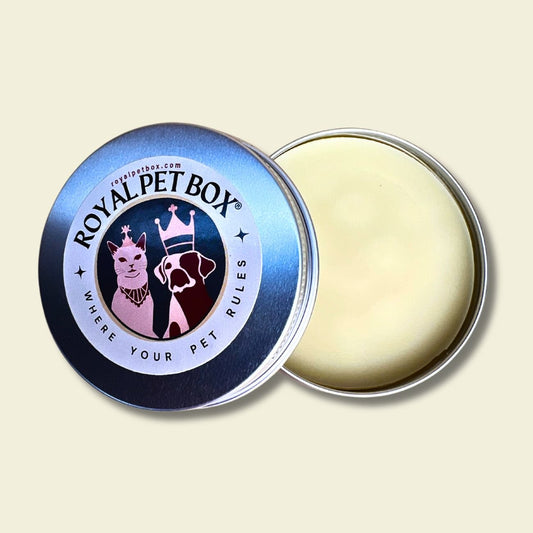
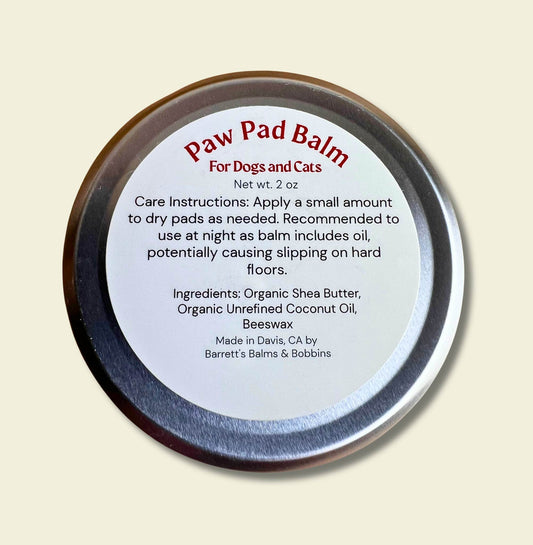
6. Protect paws from salt and cold. Paw pads take the brunt of winter, from icy sidewalks to chemical de-icers that can dry, crack, and irritate the skin between the toes. After every walk, wipe your dog's paws with a damp cloth, then smooth on a little of our Paw Pad Balm to help keep pads soft and supple.
7. Skip human lotions. Dogs lick whatever you put on them, and some human skin products contain ingredients, like zinc oxide or certain essential oils, that aren't safe to swallow. Stick with products made for pets.
When Dog Dry Skin Is a Sign of Something More
Ordinary winter dryness looks like light flaking and mild itching that improves once you add humidity and ease up on baths. Some skin problems look similar but need a vet's help, including allergies, skin infections, hypothyroidism, and Cheyletiella mites, nicknamed "walking dandruff" because the flakes can appear to move.
Book a vet visit if you notice hair loss or bald patches, red or broken skin, scabs, a greasy coat or strong odor, constant scratching or chewing, or flakes that don't improve within a few weeks of home care.
If your dog is older or has a known health condition, mention any new dryness at their next checkup — skin changes are sometimes the first visible clue to something going on inside.
The Takeaway on Winter Dry Skin in Dogs
A little extra humidity, regular brushing, gentler and less frequent baths, and some post-walk paw care go a long way toward keeping your dog comfortable through the cold months. Pay attention to how the skin responds, and if the itching or flaking persists, let your vet take a closer look.
Check out our luxury pet products at reasonable prices. Visit our "Royal Pet Box Pet TV" Channel on both Roku and YouTube for fabulous pet-related education and entertainment.
Paris Deesing holds a degree in Biological Anthropology from UCLA and provides the editorial review behind each article, drawing on a long-held curiosity about the animals who share our lives.
This article was created using artificial intelligence with human editorial review and oversight.