Dog Limping? How to Tell a Minor Strain From a Vet Emergency
Paris DeesingYour dog hops off the couch and suddenly one leg isn't touching down the way it should. A dog limping can mean anything from a pebble wedged between toes to a torn ligament that needs real treatment. A calm, methodical look can tell you a lot about how urgent it is.
Is It an Emergency? Dog Limping Red Flags
Some limps can wait a day; others can't. Head to your vet or an emergency clinic right away if you notice any of the following:
- Your dog won't put any weight on the leg, or the leg dangles or bends at an odd angle.
- The limp started after a fall, a jump from a height, a fight, or being hit by a car.
- There's significant swelling, heat, an open wound, or bleeding that doesn't stop with gentle pressure.
- Your dog cries out, trembles, pants heavily, or snaps when the leg is touched.
- The limp comes with lethargy, fever, loss of appetite, or vomiting.
If none apply and your dog is bearing some weight and acting normal, you usually have time to investigate.
How to Tell Which Leg Your Dog Is Limping On
Have someone walk your dog slowly on a leash, toward and then away from you, on a flat surface. For a front leg, watch the head: it tends to bob up when the sore leg lands and drop when the healthy leg lands. For a back leg, watch the hips: the hip on the painful side often hitches upward. Also note timing — a limp that's worst after naps points somewhere different than one that appears only after a long run.

Start at the Paw: The Most Common Cause of a Sudden Limp
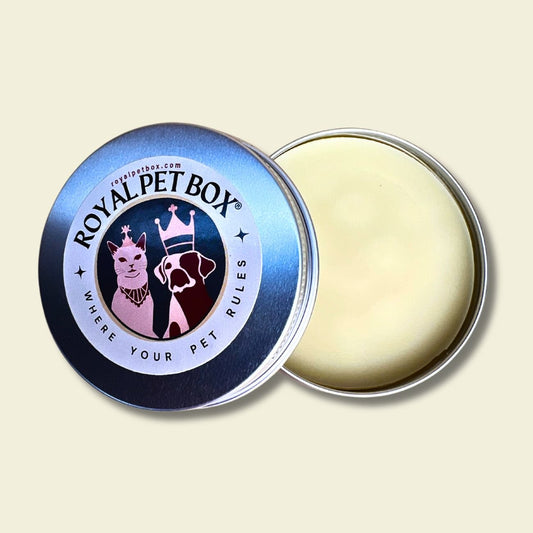
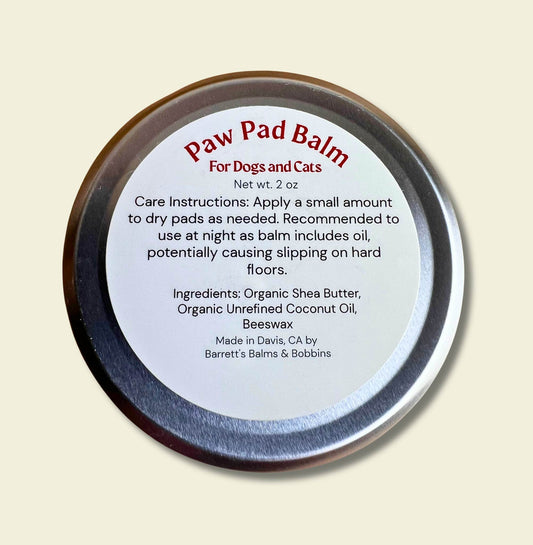
Many sudden limps start at ground level, so check the foot first. Rough pavement, ice, and winter de-icing salt can leave pads dry and cracked, and a few minutes with our All Natural Paw Pad Balm after walks helps keep healthy pads supple and better prepared for the next outing. In good light, gently spread the toes and look for:
A deep puncture, a nail torn near the base, or anything embedded you can't remove cleanly is a job for your vet.
Balm is for everyday pad care, not for treating an injury — if a pad is cut, bleeding, or looks infected, let your vet clean and assess it before you put anything on it.
Common Causes of Dog Limping Beyond the Paw
If the foot looks clean, the problem is likely higher up the leg. Common culprits include:
- Strains and sprains: Often from rough play or slipping on floors; they usually improve within a day or two of strict rest.
- Cruciate ligament (CCL) injury: The dog version of a torn ACL and a frequent cause of sudden hind-leg lameness.
- Kneecap problems: Small breeds that skip for a few steps and then walk normally may have a luxating patella.
- Arthritis and joint dysplasia: A gradual limp that's worse after naps or in cold weather is classic for arthritis, hip dysplasia, or elbow dysplasia.
- Growing pains in young dogs: Large-breed puppies can develop panosteitis, a painful bone inflammation that causes a limp shifting from leg to leg.
- Tick-borne disease: Lyme disease and similar infections can cause a "shifting leg" lameness, sometimes with fever.
In older large-breed dogs, a limp that doesn't improve with rest deserves prompt attention, since bone tumors can mimic a sprain.

What to Do at Home for a Mild Dog Limp
For a mild limp with no red flags, rest is the best medicine: short leash walks for bathroom breaks only, and no stairs or furniture jumping where possible. For small dogs who insist on joining you on the bed, our recommended Dog Steps take the jumping out of the equation while a sore leg recovers.
A few other ground rules:
Most minor strains look clearly better within 24 to 48 hours of rest. If the limp hasn't improved by then, keeps returning, or worsens, book an exam — and ask your vet before giving any pain medication, even one made for dogs.
What to Expect at the Vet
Your vet will watch your dog walk, then feel each leg joint by joint for pain, swelling, or instability. They may recommend X-rays, bloodwork, or a tick-disease test. Treatment ranges from rest and dog-safe anti-inflammatories to physical therapy or, for injuries like a torn cruciate ligament, surgery.
A limp is your dog's way of saying something hurts. Check the paw, watch for red flags, give a mild limp a short window of rest, and call your vet when something doesn't add up. Catching the cause early usually means an easier recovery.
Check out our luxury pet products at reasonable prices. Visit our "Royal Pet Box Pet TV" Channel on both Roku and YouTube for fabulous pet-related education and entertainment.
Paris Deesing holds a degree in Biological Anthropology from UCLA and provides the editorial review behind each article, drawing on a long-held curiosity about the animals who share our lives.
This article was created using artificial intelligence with human editorial review and oversight.