Guinea Pig Vitamin C: How Much They Need and the Best Foods to Feed
Paris DeesingLike humans — and unlike most other mammals — guinea pigs cannot make their own vitamin C. Every milligram has to come from the food they eat each day. Without enough, your cavy can develop scurvy in a matter of weeks. Here’s what every guinea pig owner should know: how much vitamin C your pig needs, the best foods to feed, and the warning signs that something is off.
Why Guinea Pigs Can’t Make Their Own Vitamin C
Most mammals produce vitamin C in the liver, but guinea pigs — along with humans, primates, and a handful of other species — lack the enzyme L-gulonolactone oxidase needed to synthesize it. That means a guinea pig’s body has zero ability to manufacture or store meaningful amounts of vitamin C. Whatever they eat today is what they have to work with. Tomorrow, they’ll need it all over again. This single fact is the foundation of every guinea pig diet plan.

Signs of Vitamin C Deficiency and the Risk of Scurvy in Guinea Pigs
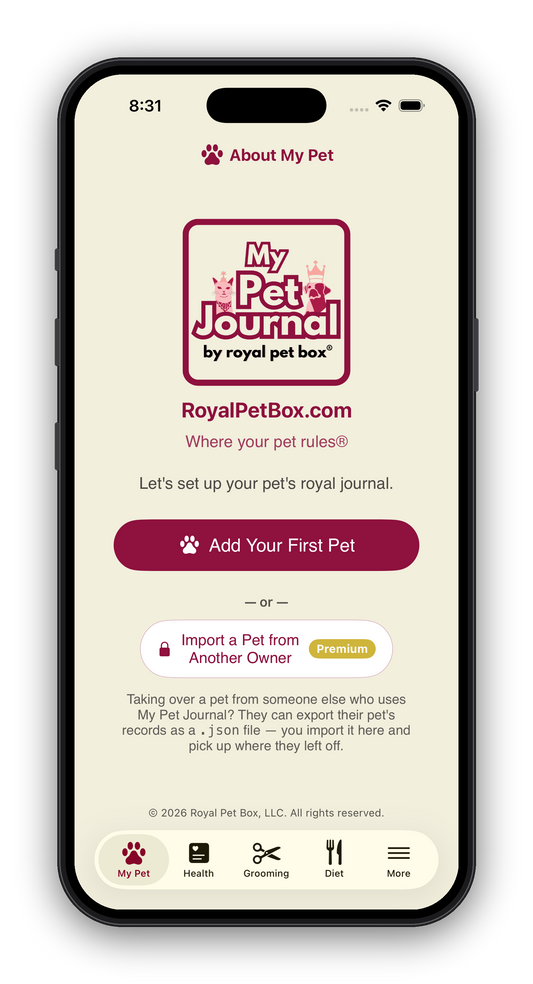
Tracking your pet’s daily diet, weight, and any small behavioral shifts is one of the easiest ways to catch problems early — our My Pet Journal gives you a dedicated space to log meals, water intake, and weekly health check-ins so subtle changes don’t slip past you. With a small animal that hides discomfort as well as a guinea pig does, written notes are often what catch trouble before it becomes serious.
A vitamin C deficient guinea pig can develop scurvy in as little as two weeks. Watch for a reluctance to move or a stiff, hunched posture, swollen joints (especially at the wrists and ankles), a rough or unkempt coat, loss of appetite paired with weight loss, bleeding gums or loose teeth, and diarrhea. If you spot any of these signs, call your exotic-pet vet promptly. Scurvy is very treatable when caught early but can become fatal if it’s left to progress.
The Best Vitamin C Foods for Guinea Pigs
Fresh produce is by far the most reliable, vet-approved source of vitamin C. The standout favorites are red and yellow bell peppers, which contain more vitamin C per gram than almost any other vegetable. Round those out with kale (in moderation, due to calcium), parsley, broccoli florets, cilantro, and the occasional strawberry as a sweet treat. Aim for roughly one cup of fresh leafy greens and vegetables per pig per day, rotated across two or three options so other nutrients stay balanced and your cavy doesn’t get bored of the menu.
How Much Vitamin C Does a Guinea Pig Need Each Day?
Healthy adult guinea pigs need roughly 10 to 30 mg of vitamin C per day. Pregnant, nursing, sick, or elderly pigs need more — often 30 to 50 mg daily. For perspective, a medium red bell pepper provides about 95 mg of vitamin C, so half a pepper comfortably covers most adult cavies’ daily needs. Check with your veterinarian for exact dosages to give your guinea pig. There’s less of a risk of overdosing on natural food sources because guinea pigs simply pass any excess in their urine, so leaning slightly toward more is safer than leaning toward less.
These numbers are starting points for a healthy adult guinea pig — your exotic-pets veterinarian can dial in the right amount for your cavy's weight, age, and overall health, especially if your pig is pregnant, nursing, ill, or recovering. They can also help you decide whether a supplement is a good fit on top of fresh-food sources.
Common Mistakes Guinea Pig Owners Make with Vitamin C
The most common mistake is relying on water-bottle vitamin C drops. Vitamin C breaks down quickly in water, especially in light, and can change the taste enough that some pigs cut back on drinking — which causes its own health problems. The second mistake is assuming pellets are enough; even fortified pellets lose most of their vitamin C content within about 90 days of the bag being opened. Citrus fruits like oranges have plenty of vitamin C but are too acidic for sensitive guinea pig digestive systems, so skip them. Don’t overdo kale or spinach either — the calcium load can contribute to bladder stones over time. And finally, don’t skip a daily veggie serving “just for one day.” Guinea pigs have no internal reserves; today’s gap is today’s deficit.
Vitamin C isn’t a “nice to have” for guinea pigs — it’s a daily survival nutrient. With a small handful of fresh peppers, leafy greens, and herbs each morning, you can easily cover your cavy’s needs and dodge the most common preventable health problem in pet guinea pigs. Combined with fresh hay, clean water, and regular weight checks, a steady supply of vitamin C is one of the simplest things you can do to keep your guinea pig healthy and happy for years to come.
Check out our luxury pet products at reasonable prices. Visit our "Royal Pet Box Pet TV" Channel on both Roku and YouTube for fabulous pet-related education and entertainment.
Paris Deesing holds a degree in Biological Anthropology from UCLA and provides the editorial review behind each article, drawing on a long-held curiosity about the animals who share our lives.
This article was created using artificial intelligence with human editorial review and oversight.