Halloween Pet Safety: Candy, Costumes, and Trick-or-Treat Tips for Dogs and Cats
Paris DeesingHalloween is one of the most fun nights of the year for people — and one of the most confusing for pets. Constant doorbells, strangers in masks, chocolate at nose height, and flickering candles add up to real risks for curious dogs and cats. Here's how to keep your pet safe, calm, and comfortable from the first pumpkin to the last trick-or-treater.

Halloween Candy Dangers for Dogs and Cats
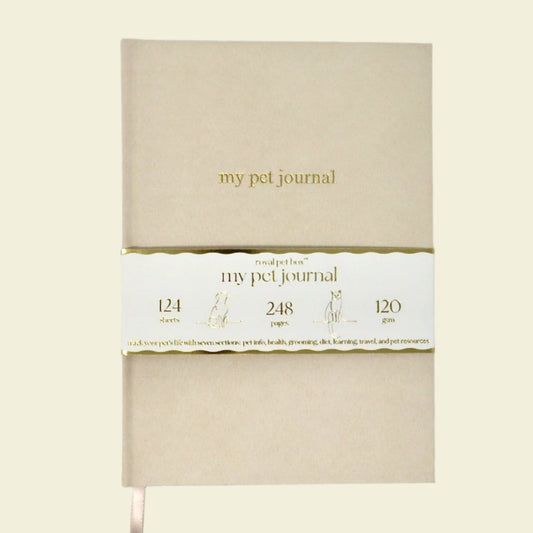
Before the big night, jot your pet's weight, your vet's number, and the nearest 24-hour emergency clinic somewhere you can grab in a hurry — our My Pet Journal keeps those details, along with vet visits and health notes, all in one place.
The biggest candy culprits are:
- Chocolate. It contains theobromine and caffeine, which dogs and cats process very slowly. Dark and baking chocolate are the most dangerous, but even milk chocolate can cause vomiting, diarrhea, restlessness, a racing heart, and in serious cases tremors or seizures.
- Xylitol. This sugar substitute shows up in sugar-free gum, mints, and some candies. In dogs it can trigger a sudden drop in blood sugar and, at higher amounts, liver damage — so treat any sugar-free candy as off-limits.
- Raisins. Chocolate-covered raisins and those little raisin snack boxes are a double hazard, since grapes and raisins have been linked to kidney injury in dogs.
- Wrappers and lollipop sticks. Swallowed wrappers can cause stomach upset or even a blockage that needs surgery.
Keep the candy bowl up high, remind kids not to share their haul, and sweep the floor afterward.
If you suspect your pet ate chocolate, anything sugar-free, or raisins, call your veterinarian or an animal poison hotline right away — don't wait for symptoms, since some effects show up hours later. The ASPCA Animal Poison Control Center (888-426-4435) and Pet Poison Helpline (855-764-7661) are both open around the clock; a consultation fee may apply.
Pet Costume Safety: Fun Without the Stress
Some pets happily wear a bandana or a ghost sheet for a photo; others find any costume deeply uncomfortable. A safe costume should never restrict breathing, vision, hearing, movement, or the ability to go to the bathroom. Skip anything with small dangly pieces, buttons, or elastic that could be chewed off and swallowed.
Do a few short trial runs beforehand, paired with treats. Watch for flattened ears, a tucked tail, freezing, lip-licking, or trying to back out of the outfit — those are your pet's way of saying "no thanks." A festive bandana is a perfectly good costume, and many cats would rather skip dress-up entirely.

Create a Halloween Safe Room for Anxious Pets
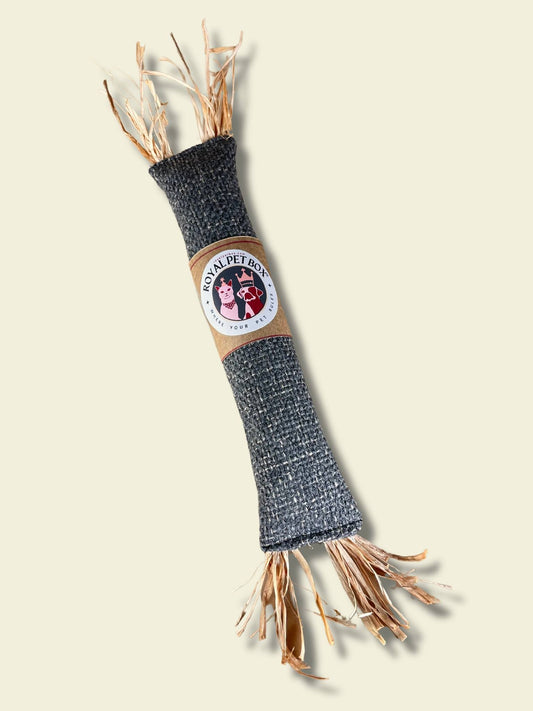
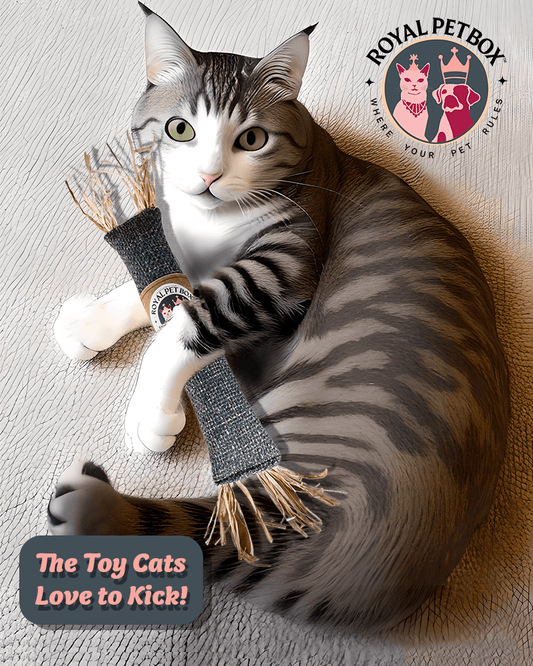
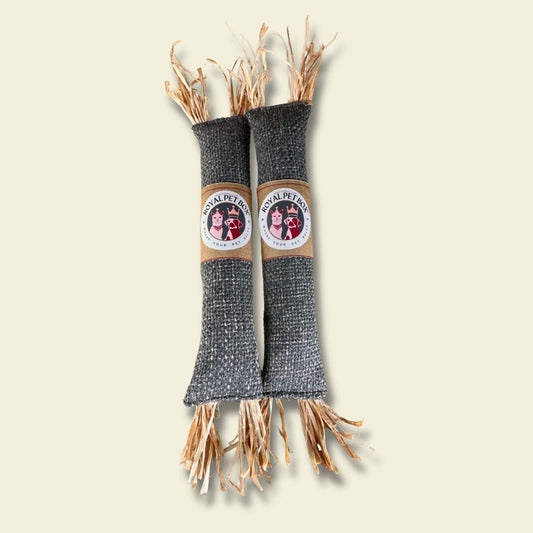
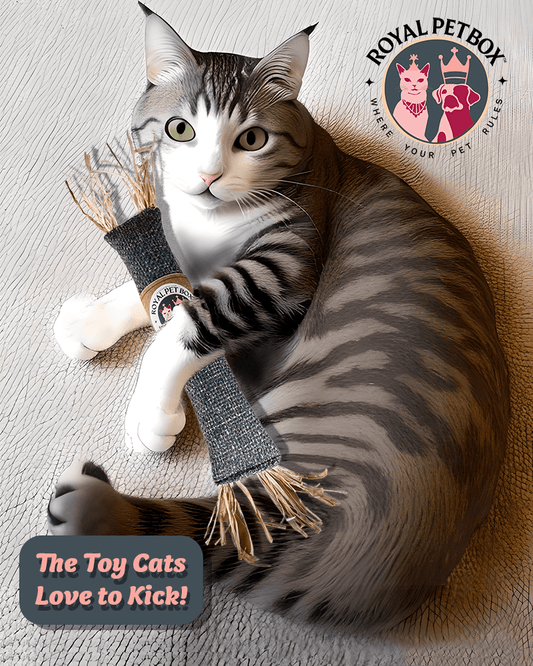
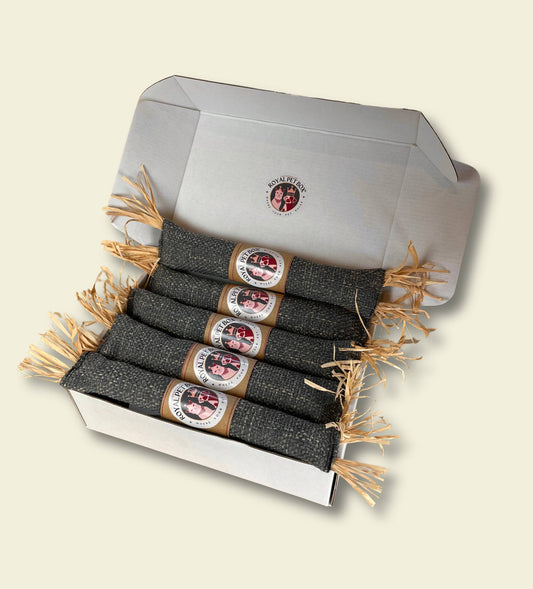
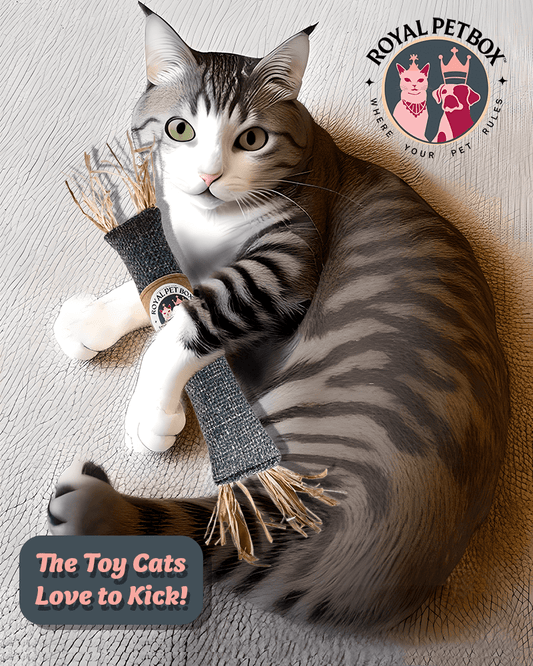
For most dogs and cats, the best place to spend trick-or-treat hours is a quiet room away from the front door. Set it up with their bed, water, a litter box for cats, and a favorite toy — for cats, a familiar comfort item like our Luxury Cat Kicker Toy gives them something to wrestle and settle with while the doorbell does its thing.
Close the curtains and play soft music to mask the doorbell. A long walk or play session earlier in the evening helps, too — a tired pet is a calmer pet.

Preventing Door Dashing and Lost Pets on Halloween
With the front door opening again and again, Halloween is prime time for escapes. Make sure your pet's ID tag is current and their microchip registration lists your up-to-date phone number. It also helps to carry your pet's details with you — our recommended Pet ID Clear Sleeves protect an emergency wallet card with your pet's photo and key info, so you're ready to make flyers and calls if the worst happens.
Use a baby gate or keep pets behind a closed door while you hand out candy, and consider sitting outside with the candy bowl so the door stays shut. Keep cats indoors in the days around Halloween, and if your dog joins trick-or-treating, use a secure harness plus a reflective accessory so drivers can see you.
Decorations, Pumpkins, and Glow Sticks
Decorations bring their own hazards. Candle-lit jack-o'-lanterns can be knocked over by a wagging tail or a curious cat, so battery-powered LED lights are the safer choice. Tuck cords away from chewers, and keep fake cobwebs out of reach of cats, who may swallow the strands.
Plain pumpkin isn't toxic, but a carved pumpkin that's starting to mold can upset your pet's stomach, so toss it once it softens. Glow sticks and glow jewelry are a classic cat favorite to chew — the liquid inside is very bitter and usually causes dramatic drooling and foaming rather than serious poisoning, but it's still worth keeping them out of reach.
Every pet reacts a little differently — if drooling, vomiting, or unusual behavior doesn't settle within a short time after a decoration mishap, give your vet a quick call to be safe.
A Calm, Happy Halloween for Everyone
Halloween safety for pets comes down to three things: keep the treats out of reach, keep the doors closed, and give your pet a quiet place to wait out the excitement. With a safe room ready, ID up to date, and the candy bowl on a high shelf, you can enjoy the costumes and the chaos knowing your best friend is snug and safe.
Check out our luxury pet products at reasonable prices. Visit our "Royal Pet Box Pet TV" Channel on both Roku and YouTube for fabulous pet-related education and entertainment.
Paris Deesing holds a degree in Biological Anthropology from UCLA and provides the editorial review behind each article, drawing on a long-held curiosity about the animals who share our lives.
This article was created using artificial intelligence with human editorial review and oversight.