How Cold Is Too Cold for Dogs? A Winter Safety Guide by Size, Coat, and Age
Paris DeesingThe first truly crisp morning of the season always brings the same question: is it too cold to take the dog out? The honest answer is that it depends on your dog. A Siberian Husky and a Chihuahua experience 25°F in completely different ways. This guide walks through how cold is too cold for dogs, which dogs feel the chill first, and the simple habits that keep winter walks safe and fun.

How Cold Is Too Cold for Dogs? A Temperature Guide
Every dog has its own comfort zone, and the best way to learn it is to watch and keep notes — our My Pet Journal is a handy place to jot down how long your dog stayed comfortable on a walk and at what temperature they started to shiver. Over a few weeks, you will see your dog's personal limits clearly.
As a general rule of thumb, many veterinarians and animal-welfare groups use these rough bands:
- Above 45°F (7°C): comfortable for most healthy dogs.
- 32–45°F (0–7°C): small, short-coated, very young, or senior dogs may start to feel uncomfortable. Keep an eye on them.
- 20–32°F (−7–0°C): cold-sensitive dogs need a coat and shorter outings; even hardy dogs need supervision.
- Below 20°F (−7°C): hypothermia and frostbite become real risks for most dogs. Keep trips outside brief and purposeful.
Remember that the thermometer only tells part of the story. Wind chill, rain, wet snow, and cloudy skies all make it feel colder, while sunshine and low wind can make a cold day feel milder.
Which Dogs Feel the Cold First?
Some dogs are simply built for winter. Thick, double-coated breeds like Huskies, Malamutes, Bernese Mountain Dogs, and Newfoundlands carry their own insulation. Others are much more vulnerable:
- Small and toy breeds lose body heat quickly and sit closer to the cold ground.
- Short-coated and lean breeds such as Greyhounds, Whippets, Boxers, and Dobermans have little fur or body fat to hold warmth.
- Puppies and senior dogs are less able to regulate their body temperature.
- Dogs with health conditions like arthritis, heart disease, kidney disease, diabetes, or hormonal disorders may struggle more in the cold.
For these dogs, a well-fitted coat or sweater is not a fashion statement — it is real protection. Look for one that covers the chest and belly, where many short-coated dogs have the least fur.

Protecting Paws in Cold Weather
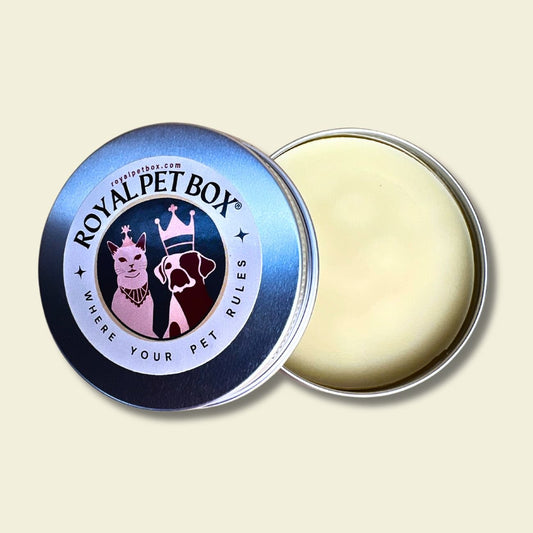
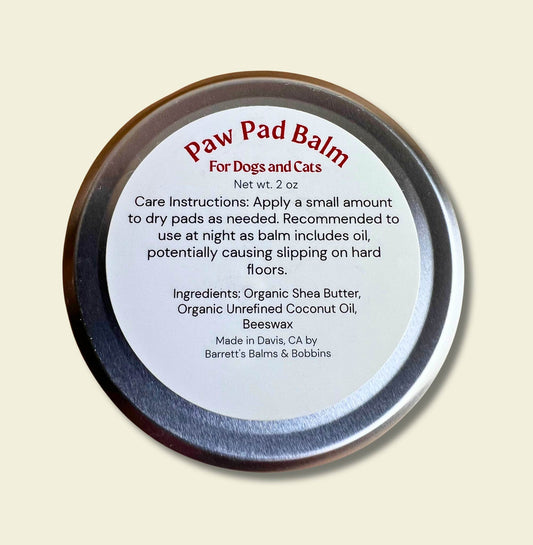
Paws take the brunt of winter, from icy sidewalks to drying wind — a thin layer of our All Natural Paw Pad Balm before and after walks helps keep pads soft and less prone to painful cracks.
A few more paw-friendly habits make a big difference:
- Wipe paws after every walk. De-icing salts and chemicals can irritate pads and are harmful if your dog licks them off. A warm, damp cloth works well.
- Trim the fur between toes. Long fur collects ice balls that pull and sting.
- Consider dog booties. Many dogs need a little practice indoors first, but booties are excellent protection on salted streets.
- Use pet-safe ice melt on your own steps and driveway.
Signs of Hypothermia and Frostbite in Dogs
Knowing the early warning signs of cold stress lets you head home before trouble starts. Watch for:
- Shivering, whining, or anxious behavior
- Slowing down, lifting paws repeatedly, or looking for shelter
- Weakness, lethargy, stiffness, or clumsiness
- Pale, gray, or bluish skin on the ears, tail tip, or paw pads (possible frostbite)
If you suspect your dog is too cold, bring them inside, wrap them in a dry, warm blanket, and let them warm up gradually. Avoid rubbing areas that might be frostbitten, and never use a heating pad or hot water directly on the skin, since cold-damaged tissue burns easily.
Hypothermia and frostbite can look mild at first and turn serious quickly — if your dog stays lethargic, the shivering doesn't settle, or any skin looks discolored, call your veterinarian or an emergency clinic right away.
Cold-Weather Safety Tips for Dogs Around the Home
- Shorten walks, don't skip them. Two or three brief outings are better than one long, frigid trek. Make up the difference with indoor games and puzzle toys.
- Never leave your dog in a cold car. Cars hold in cold the same way they trap heat in summer.
- Keep antifreeze out of reach. It tastes sweet to dogs and is extremely toxic; clean up any spills immediately.
- Provide a warm, draft-free bed raised slightly off cold floors, especially for seniors.
- Dry your dog off after snowy or rainy walks, since a wet coat loses much of its insulating power.
Some dogs, especially active ones that spend lots of time outdoors, burn more energy staying warm in winter — your vet can tell you whether your dog's portions need a seasonal tweak based on their weight and activity.
Enjoying Winter With Your Dog
Cold weather doesn't have to mean cabin fever. By knowing your dog's limits, dressing cold-sensitive pups for the weather, caring for their paws, and watching for early signs of cold stress, you can keep winter walks safe and joyful. When in doubt, go out more often for shorter stretches — and come home to a warm towel and a cozy bed.
Check out our luxury pet products at reasonable prices. Visit our "Royal Pet Box Pet TV" Channel on both Roku and YouTube for fabulous pet-related education and entertainment.
Paris Deesing holds a degree in Biological Anthropology from UCLA and provides the editorial review behind each article, drawing on a long-held curiosity about the animals who share our lives.
This article was created using artificial intelligence with human editorial review and oversight.