How to Handle Your Pet Snake Safely: Building Trust Without the Stress
Paris DeesingFew pets are as misunderstood as the snake. With a little patience and the right technique, most pet snakes learn to tolerate — and even seem to relax during — regular handling. Learning how to handle your pet snake safely is the single best way to build a calm, trusting relationship with a reptile that has no reason, at first, to see your hand as anything but a giant approaching predator.
Why Safe Snake Handling Matters
Snakes do not crave affection the way a dog or cat might, but consistent, gentle handling keeps them accustomed to human contact, which makes vet visits, enclosure cleaning, and health checks dramatically easier. A snake that is never handled tends to stay defensive, while one that is handled the right way learns that your hands mean calm, not danger. The goal is a snake that feels secure and supported, never gripped or chased.
When to Handle Your Snake (and When to Wait)
Timing matters more than almost anything else. Avoid handling for at least 24 to 48 hours after your snake eats, since movement on a full stomach can cause it to regurgitate. Give a snake space when it is "in blue" — the cloudy-eyed phase before a shed — because reduced vision makes it feel vulnerable and defensive. New snakes also need roughly a week to settle into their enclosure before you begin regular sessions.
A snake that stays persistently defensive, refuses food for weeks, or seems unusually lethargic may be telling you something is off — a reptile-savvy veterinarian can rule out illness or husbandry problems before you keep pushing handling.

How to Safely Pick Up and Support Your Snake
Approach from the side rather than directly overhead, which mimics a swooping predator, and never grab your snake by the tail or head. Scoop gently from underneath, supporting the middle of the body and letting the snake drape across your hands and forearms. The rule is to support, not restrain — let it move through your loosely cupped hands rather than holding it in place. Even gentle snakes can nip when startled, so keeping our recommended Pet First Aid Kit within reach means a small scratch or bite gets cleaned and covered right away.
Reading Your Snake's Body Language
Your snake is constantly telling you how it feels, and learning to read those signals is central to handling safely. Slow, exploratory movement and steady tongue flicking mean a relaxed, curious snake. Tight coiling, hissing, an S-shaped raised neck, or rapid retreat mean it wants to be left alone — end the session calmly and try again later. Musking, where a snake releases a foul-smelling liquid, is another sign of stress worth respecting rather than powering through.

Building a Calm Handling Routine
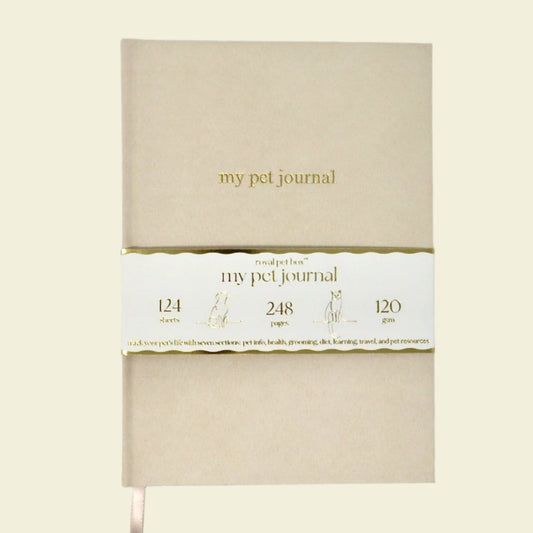
Consistency beats intensity. Start with short sessions of five to ten minutes a few times a week, and slowly extend them as your snake grows more comfortable. Keep handling gentle, quiet, and predictable, and always wash your hands before and after. Jotting down each session — how long it lasted, how your snake reacted, and when it last shed or ate — turns guesswork into a pattern you can actually read; our My Pet Journal gives you a dedicated place to log temperament, feeding, and shed cycles side by side.
Common Handling Mistakes to Avoid
The fastest way to erode trust is to move too quickly. Do not handle a stressed or newly fed snake, avoid sudden grabs, and never wake a sleeping snake by reaching straight in. Keep young children supervised and teach them to support rather than squeeze. And always wash up afterward — reptiles can carry salmonella, so good hand hygiene protects both you and your pet.
Handled with patience and respect for its signals, a pet snake becomes remarkably easy to live with. Go at your snake's pace, read its body language, and let trust build one short, calm session at a time — the reward is a confident reptile that sees your hands as a safe place to be.
Check out our luxury pet products at reasonable prices. Visit our "Royal Pet Box Pet TV" Channel on both Roku and YouTube for fabulous pet-related education and entertainment.
Paris Deesing holds a degree in Biological Anthropology from UCLA and provides the editorial review behind each article, drawing on a long-held curiosity about the animals who share our lives.
This article was created using artificial intelligence with human editorial review and oversight.