How to Set Up a Crested Gecko Enclosure: Humidity, Plants, and Hides
Paris DeesingIf you've fallen for the mossy eyelashes and gumdrop toes of a crested gecko, you're not alone — these New Caledonian natives have become one of the most popular pet reptiles for exactly that reason. They're quiet, low-odor, and don't need the blazing heat lamps that desert species require. But their care is different in a few key ways from a bearded dragon or leopard gecko setup, and getting the enclosure basics right from day one makes all the difference in how your gecko settles in.
Temperature and Humidity: The Two Numbers That Matter Most
Crested geckos come from the cool, humid rainforest canopy of New Caledonia, and their ideal enclosure reflects that. Room temperature is usually enough — aim for a range of roughly 72–78°F, with brief dips into the low 80s being fine. What you want to avoid is sustained heat above 85°F. Unlike many desert reptiles, crested geckos are notably heat-sensitive, and prolonged exposure to high temperatures can cause serious heat stress. Most keepers skip a heat lamp entirely and simply keep the enclosure in a stable room.
Humidity should sit in the 50–80% range, spiking higher right after misting and dropping as things dry out. Mist the enclosure once or twice a day rather than keeping it constantly soggy — a habitat that never dries out invites mold and bacterial growth. A digital thermometer/hygrometer combo takes the guesswork out of both readings.
Building a Vertical, Plant-Filled Habitat
Because crested geckos are arboreal and nocturnal, their enclosure should be taller than it is wide. A single adult typically needs at least an 18x18x24-inch enclosure, and more vertical space is always welcome. Fill it with cork bark rounds, flexible vines, and real or artificial climbing plants like pothos or ficus, arranged at different heights. These geckos are shy, easily startled, and quick to jump when they feel exposed, so a densely furnished tank with plenty of cover helps them feel secure enough to move around and explore instead of freezing in one spot.

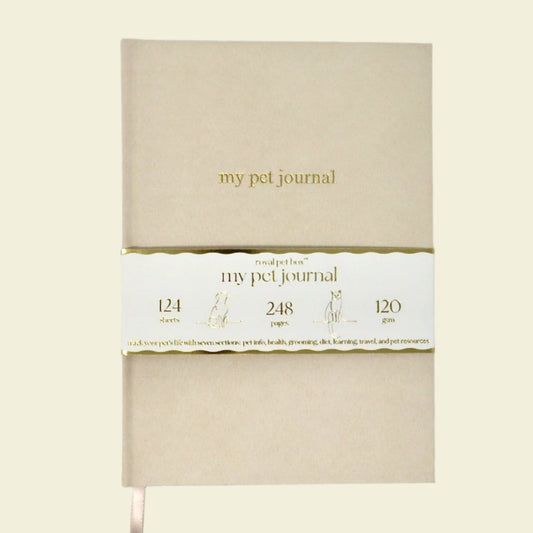
New reptile keepers especially benefit from tracking shedding dates, feeding response, and any changes in behavior as their gecko adjusts to a new home — our My Pet Journal gives you one dedicated place to log all of it, which makes patterns much easier to spot than trying to remember details weeks later.
Choosing Substrate and Hides for a Shy Climber
For substrate, you have options. A simple paper towel or coconut fiber liner is easy to spot-clean and works well for beginners. More experienced keepers often set up a bioactive substrate blend with isopods and springtails that helps break down waste and maintain humidity on its own. Whichever you choose, add several hides at different heights — one tucked up in the foliage and at least one closer to the substrate. A dedicated moist hide is especially helpful around shedding time, giving your gecko a humid pocket to retreat to when its skin is ready to come off.
Feeding Your Crested Gecko
Most crested geckos thrive on a commercial powdered "crested gecko diet" mixed with water into a smooth paste and offered in a shallow dish a few times a week for adults, a bit more often for juveniles. Many keepers also offer gut-loaded crickets or dubia roaches dusted with calcium as an occasional treat, which adds enrichment along with nutrition.
These feeding frequencies are general starting points for a healthy adult gecko — a hatchling, an underweight rescue, or a gecko recovering from illness may need a different schedule, so it's worth checking in with a reptile-experienced vet if you're ever unsure.
Handling and the Truth About "Frogbutt"
Crested geckos can drop their tails when they feel threatened or are grabbed too firmly — a defense mechanism called autotomy. Here's the surprising part: unlike leopard geckos, a crested gecko's tail does not grow back. A tailless gecko, affectionately nicknamed a "frogbutt," is otherwise completely healthy; it's a cosmetic change, not a medical one. To avoid it, always handle your gecko gently and low over a soft surface, letting it walk from hand to hand rather than grabbing at its body or tail.
None of this requires elaborate equipment — just attention to a few details that matter more to a crested gecko than to most other pet reptiles. Get the humidity swings right, build up instead of out, and give your gecko plenty of places to hide, and you'll have a habitat it can settle into comfortably for years.
Check out our luxury pet products at reasonable prices. Visit our "Royal Pet Box Pet TV" Channel on both Roku and YouTube for fabulous pet-related education and entertainment.
Paris Deesing holds a degree in Biological Anthropology from UCLA and provides the editorial review behind each article, drawing on a long-held curiosity about the animals who share our lives.
This article was created using artificial intelligence with human editorial review and oversight.