How to Stop a Kitten From Biting Hands: A Gentle Guide to Redirecting Play Aggression
Paris DeesingThose needle-sharp kitten teeth are adorable right up until they sink into your ankle at 2 a.m. If your kitten is biting hands, pouncing on feet, and treating your fingers like prey, you are not raising a tiny tyrant. You are raising a normal young predator who simply hasn't learned the rules yet. The good news: kitten biting is one of the most fixable behaviors in the feline world, and the habits you build now shape the adult cat you'll live with for the next fifteen-plus years.
Why Kittens Bite Hands During Play
Play is how kittens practice hunting. Stalking, pouncing, grabbing, and biting are all rehearsals of the skills a wild cat would need to survive. In a litter, kittens learn how hard is too hard from their mother and siblings: bite a littermate too roughly and the fun stops, or you get a squeal and a swat back. This is called bite inhibition.
Kittens who were separated from their litter early, or who are the only kitten in the home, often miss part of that lesson. With no furry sparring partner around, your hands and feet become the next best target. The behavior tends to peak somewhere between roughly two and six months of age, which is exactly when many families bring a new kitten home.
Never Use Hands as Kitten Toys
The single most important rule for stopping kitten play biting is consistency: hands are for petting, feeding, and holding, never for wrestling. Wiggling fingers under a blanket or letting a tiny kitten "attack" your hand feels harmless now, but it teaches your kitten that skin is a fair target. That same game is far less cute from a ten-pound adult cat.
Make sure everyone in the household, including kids and visitors, follows the same rule.

Redirect Biting With Interactive Wand Play
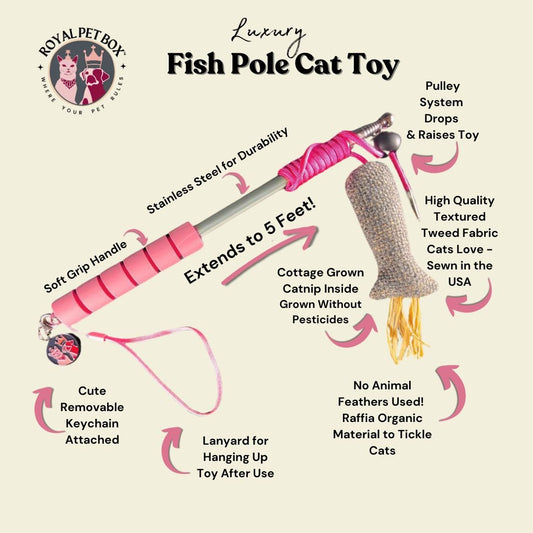
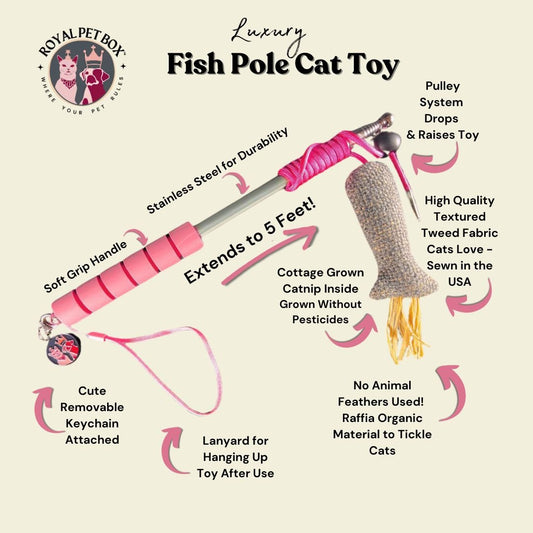
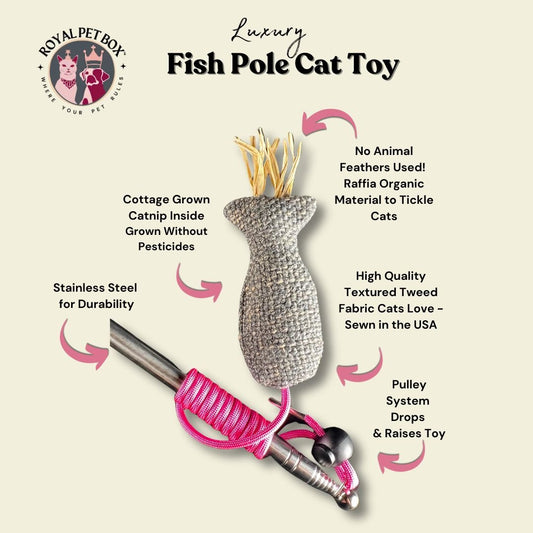
Instead of simply saying "no," give that hunting drive a better outlet. A wand-style toy like our Luxury Extendible Fish Pole Cat Toy With Catnip is ideal here, because it lets your kitten chase, leap, and bite something that isn't attached to you.
Move the lure the way prey moves: skittering along the floor, hiding behind a chair leg, pausing, then darting away. Short, energetic sessions a few times a day, especially in the evening when kittens tend to get their wildest, help burn off the energy that otherwise ends up aimed at your ankles. Always let your kitten "catch" the lure at the end so the hunt feels complete, and put wand toys away afterward so the strings are never left out unsupervised.

Give Your Kitten Something to Bunny-Kick
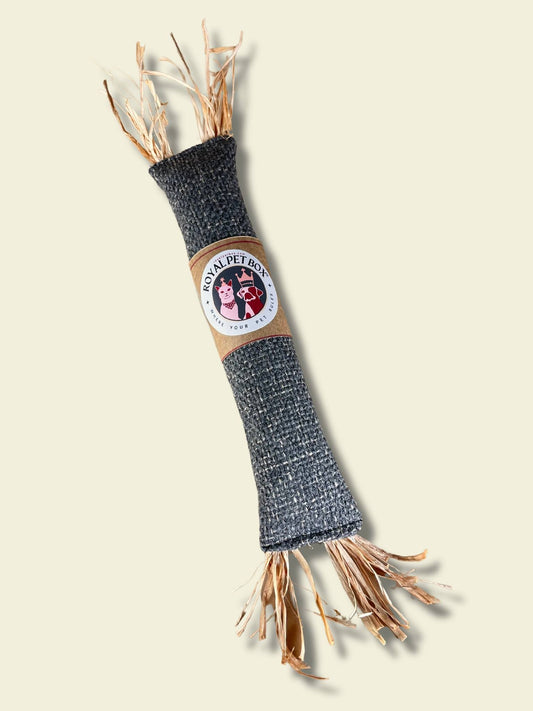
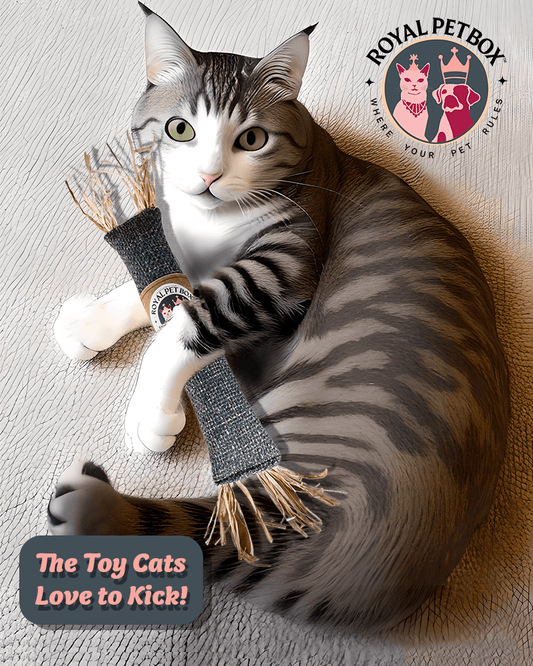
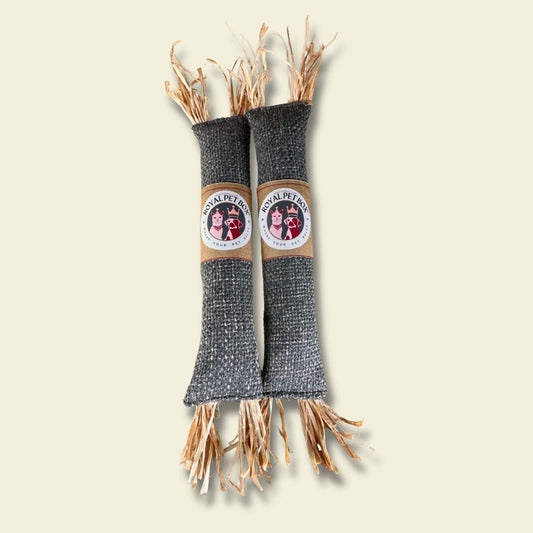
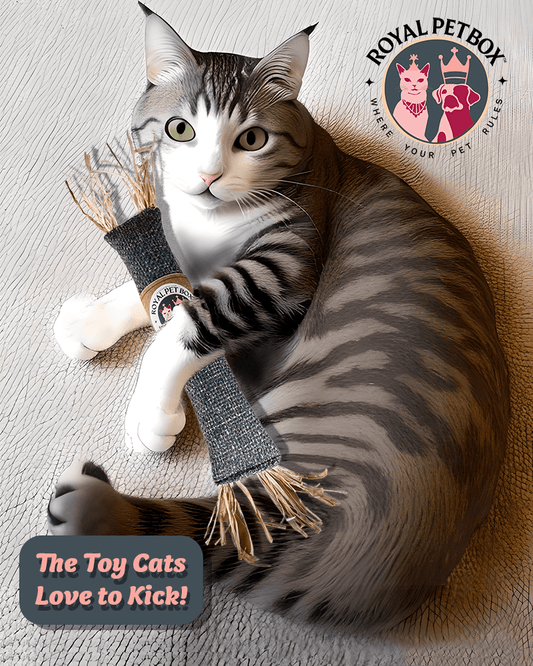
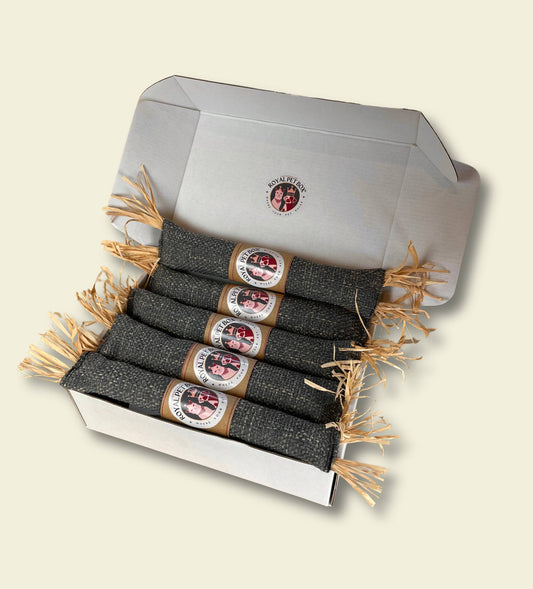
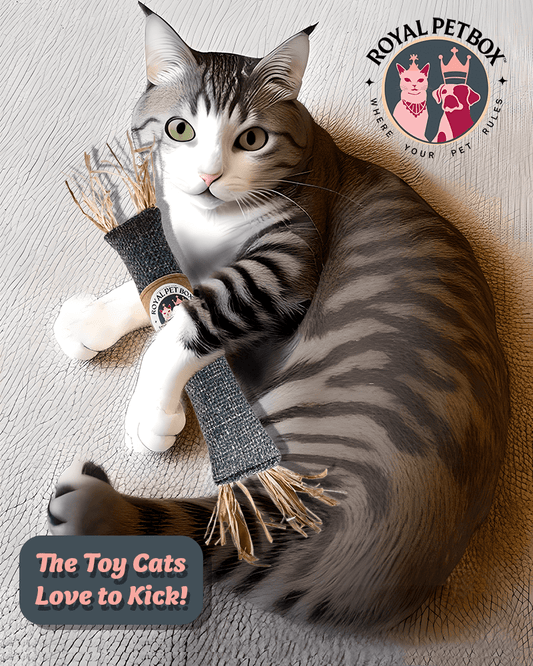
That move where your kitten grabs your arm with its front paws and rabbit-kicks with the back legs? It's a natural wrestling behavior, and it deserves a proper target. Our Two Luxury Cat Kicker Toys in Gray Tweed with Silver Vine & Catnip are long enough to hug and kick, and having two means one can stay in the play area while the other goes wherever the zoomies strike.
When your kitten starts wrestling your arm, go still, then calmly offer the kicker toy instead. Many young kittens don't react to catnip or silver vine yet, but the size and shape of a kicker are satisfying to wrestle regardless, and the scent often becomes a bonus as they mature.
What to Do in the Moment a Kitten Bites
When teeth connect with skin, the goal is to make biting boring, not scary:
- Freeze. Pulling your hand away quickly triggers the chase instinct. Going limp makes you uninteresting prey.
- End the game. Calmly stand up and walk away for a minute or two. Kittens quickly learn that biting makes the fun stop.
- Redirect. Once things settle, offer a toy so your kitten has an approved way to finish that burst of energy.
- Skip punishment. Tapping the nose, spraying water, or yelling can make kittens fearful or defensive, and fear-based biting is much harder to undo than play biting.
Some families also find that adopting two kittens together solves the problem naturally, because they teach each other bite inhibition through constant play.

Track Progress and Know When Biting Isn't Just Play
Keeping a simple log helps you spot patterns, like biting that spikes right before meals or late at night. Our My Pet Journal gives you a dedicated place to note play schedules, triggers, and progress alongside vaccine dates and vet visits during that busy first year.
Play biting usually comes with loose body language: a bouncy stance, dilated pupils during the chase, and no hissing. Biting paired with flattened ears, growling, hiding, or sensitivity when touched in one spot is different, and may point to fear or discomfort rather than play.
If your kitten's biting suddenly changes, becomes more intense, or comes with signs of pain like limping or flinching when handled, it's worth a check-up with your veterinarian before assuming it's a training issue.
Raising a Gentle Adult Cat
Stopping a kitten from biting hands comes down to three things: never using hands as toys, giving plenty of chances to hunt and wrestle appropriate targets, and ending play calmly when teeth touch skin. Stay consistent for a few weeks and most kittens get the message. The payoff is an adult cat who plays hard with toys and stays soft with the people who love them.
Check out our luxury pet products at reasonable prices. Visit our "Royal Pet Box Pet TV" Channel on both Roku and YouTube for fabulous pet-related education and entertainment.
Paris Deesing holds a degree in Biological Anthropology from UCLA and provides the editorial review behind each article, drawing on a long-held curiosity about the animals who share our lives.
This article was created using artificial intelligence with human editorial review and oversight.