How to Stop Two Cats From Fighting: Restoring Peace in a Multi-Cat Home
Paris DeesingBringing two cats under one roof can feel like a dream — twin sunbeam nappers, a built-in playmate, double the purrs. But when those two cats start hissing, chasing, and swatting, that dream can turn stressful fast. The good news is that most feline conflict has clear causes and calm, workable solutions. Here's how to tell real fighting from rough play, why housemates clash, and how to restore peace in your multi-cat home.
Playing or Fighting? How to Tell the Difference
Not every tumble is a fight. Cats wrestle, chase, and pounce as play, and a little of that is healthy. The trick is reading the signals. Play is usually quiet, with loose bodies, taking turns as "chaser," and claws sheathed. Real conflict comes with flattened ears, puffed fur, sustained growling or yowling, and one cat consistently trying to flee. If the "loser" always avoids the other afterward or stops eating and using the litter box, you're looking at genuine tension, not games.

Why Cats in the Same Home Start Fighting
Cats are territorial by nature, and most household spats trace back to competition over space, resources, or a disrupted social order. Common triggers include a new pet or person, a move, insufficient litter boxes or feeding stations, redirected frustration (like seeing an outdoor cat through a window), or one cat reaching social maturity around two to four years old. Keeping a simple log of when and where flare-ups happen makes the pattern easier to spot — our My Pet Journal gives you one place to note incidents, triggers, and small wins so you can see what's actually driving the conflict.
How to Break Up a Cat Fight Safely
Never reach between two fighting cats — an aroused cat can redirect that aggression onto your hands with serious bites and scratches. Instead, interrupt the moment from a distance: clap loudly, toss a soft cushion nearby, or drop a towel over one cat to break the standoff. Once separated, give each cat a quiet room to decompress for a few hours before any reintroduction. Never punish or scold; it only adds stress and can make the rivalry worse.

Rebuilding Peace in a Multi-Cat Home
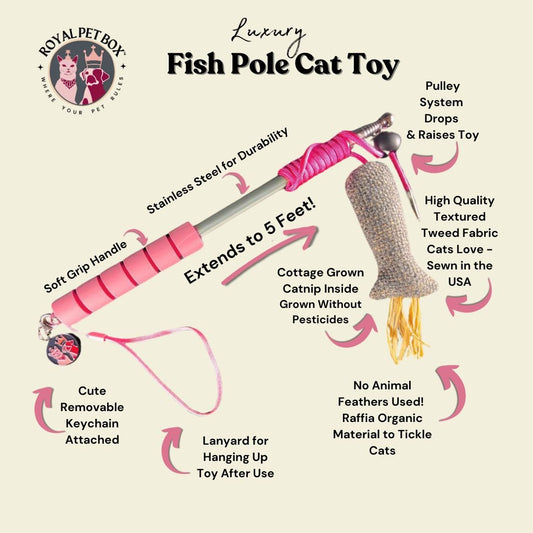
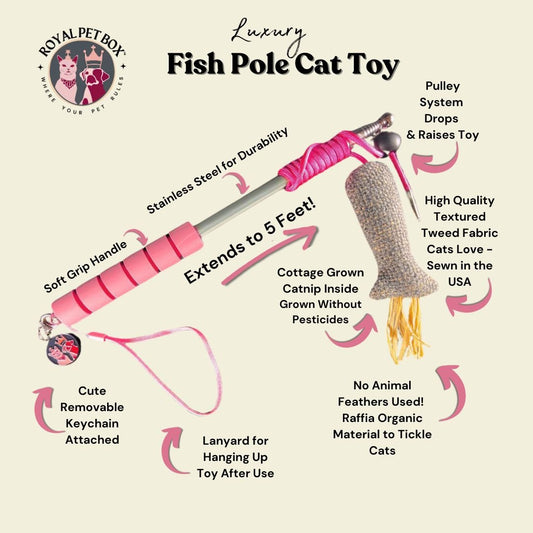
After a serious fight, treat it a little like a fresh introduction: separate the cats, then gradually re-expose them through scent swapping, a cracked door, and short supervised sessions paired with treats and play. Daily interactive play is one of your best tools — draining pent-up energy leaves far less fuel for conflict. Our Fish Pole Cat Toy lets you run each cat through a satisfying "hunt" and can even build positive associations when both cats play near each other calmly.

Give Every Cat Their Own Space and Outlets
Resource competition is a hidden driver of feline fighting. The rule of thumb is one litter box per cat plus one extra, placed in separate locations, along with multiple food and water stations, scratching posts, and elevated perches so no cat feels cornered. Vertical space and solo-play outlets help each cat self-soothe without stepping on the other's territory. A set like our Cat Kicker Toys (5-pack) means every cat can have a toy to bunny-kick and wrestle on their own, spreading the fun across the whole home.
When to Call the Vet
Sometimes aggression isn't really about the other cat. A previously peaceful cat that suddenly turns reactive may be in pain or dealing with an underlying illness, and stress from ongoing conflict can trigger issues like urinary problems or appetite loss. If one of your cats becomes aggressive out of nowhere, or you spot changes in eating, grooming, or bathroom habits, it's worth a checkup to rule out a medical cause before assuming it's purely behavioral. For persistent rivalry that won't ease, a vet or a certified feline behaviorist can build a tailored reintroduction and, in some cases, discuss calming aids.
Two cats learning to coexist takes patience, but it happens more often than not. Give them space, outlets, and time, watch the patterns, and celebrate the small truces — a shared windowsill or a peaceful nap in the same room. With a little management, most feuding housemates can settle into a comfortable, and sometimes even affectionate, peace.
Check out our luxury pet products at reasonable prices. Visit our "Royal Pet Box Pet TV" Channel on both Roku and YouTube for fabulous pet-related education and entertainment.
Paris Deesing holds a degree in Biological Anthropology from UCLA and provides the editorial review behind each article, drawing on a long-held curiosity about the animals who share our lives.
This article was created using artificial intelligence with human editorial review and oversight.