How to Teach Your Dog to Come When Called: A Step-by-Step Recall Guide
Paris DeesingFew moments feel as good as calling your dog's name and watching them sprint straight back to you. Few feel as scary as calling and getting nothing but a backward glance before they bolt after a squirrel. A reliable recall — teaching your dog to come when called, every time — is the single most important safety skill a dog can learn. The good news: it isn't about having a "naturally obedient" dog. It's about building a habit, one small win at a time.

Why Dog Recall Training Breaks Down
Training progress is easier to see when you write it down — our My Pet Journal is a handy place to log each session, where it happened, and which distractions your dog handled like a pro. Over a few weeks, those notes show you exactly when to raise the difficulty and when to step back.
Most recall problems come from a few common patterns. The dog learns that "come" means the fun is over — the leash goes on, the park visit ends, or bath time begins. The cue gets repeated so often ("come, come, COME!") that it fades into background noise. Or the dog is asked to come in situations far harder than anything they've practiced. To your dog, coming back simply hasn't been worth more than whatever else is going on.
Choose a Fresh Recall Cue and Make It Priceless
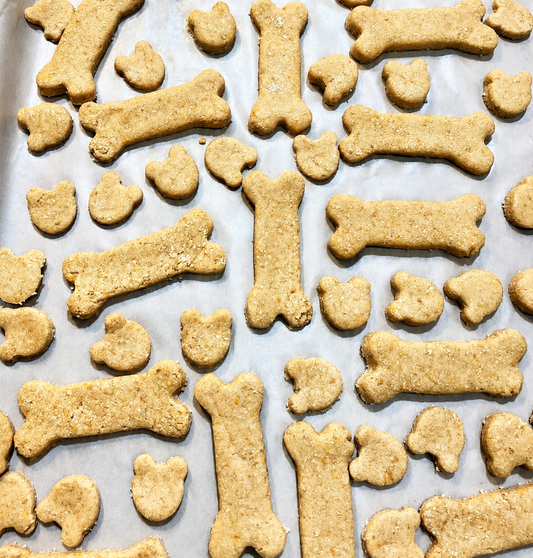
If your current "come" has a spotty history, start over with a brand-new word or a whistle — "here," "touch," or anything you'll say consistently. Then make that cue predict something wonderful. In a quiet room, say the cue once and immediately hand over a high-value reward: small pieces of chicken, cheese, or a favorite toy. Repeat this a handful of times per session, several sessions a day, until your dog whips their head around the instant they hear it.
Training treats add up quickly, especially for small dogs — keep pieces pea-sized and trim a little from regular meals on heavy training days. If your dog has food sensitivities or a weight-management plan, your vet can suggest rewards that fit.
Build the Dog Recall Habit Indoors First
Once your dog lights up at the cue, add a little distance. Play "ping-pong recall" with a partner: stand on opposite sides of a room or hallway and take turns calling your dog, rewarding generously each time they arrive. Keep sessions short — just a few minutes — and end while your dog still wants more. Gradually move to different rooms, then to a fenced backyard.
When your dog arrives, gently touch or hold their collar or harness before handing over the treat. This teaches them that being caught is part of the good deal, which matters a lot in a real emergency.

Taking Recall Training Outdoors on a Long Line
Before you trust your dog off-leash outside, practice on a long line clipped to a comfortable harness — our recommended Dog Harness Collar and Leash set gives you a secure back attachment point, so a sudden stop at the end of the line pulls across the chest rather than the neck.
A long line of 15 to 30 feet lets your dog sniff and explore while you stay in control. Let them wander, then call once in a cheerful voice. If they come, celebrate with a jackpot of several treats. If they don't, avoid repeating the cue — gently reel them in, reward when they reach you, and make the next attempt a bit easier. Raise distractions slowly: an empty park comes long before a park full of dogs, kids, and wildlife.
Common Recall Mistakes to Avoid
- Never punish a dog who comes back, no matter how long it took. Scolding on arrival teaches your dog that returning to you is risky.
- Don't call your dog for things they dislike. For nail trims, baths, or leaving the park, go get your dog instead of using the recall cue.
- Don't chase. Running after a dog usually turns into a game of keep-away. Try running a few steps away from your dog while calling — many dogs will follow.
- Don't stop rewarding too soon. Keep paying well for recalls throughout your dog's life, even once the skill looks solid.
- Practice "come and go play." Call your dog, reward, then release them back to playing. This keeps recalls from always signaling the end of the fun.
How Long Does It Take to Train a Reliable Recall?
Many dogs grasp the basics within a few weeks of daily practice, but a truly reliable recall around heavy distractions can take months. Breed and personality play a role too — scent hounds and high-prey-drive breeds may always need extra management, such as a long line in unfenced areas. That's not a training failure; it's simply respecting who your dog is.
A rock-solid recall is built from hundreds of small, happy reps. Start somewhere easy, make coming to you the best deal in town, and raise the challenge only as fast as your dog succeeds. With patience and plenty of good treats, the next time you call your dog's name, you'll see that joyful sprint headed straight your way.
Check out our luxury pet products at reasonable prices. Visit our "Royal Pet Box Pet TV" Channel on both Roku and YouTube for fabulous pet-related education and entertainment.
Paris Deesing holds a degree in Biological Anthropology from UCLA and provides the editorial review behind each article, drawing on a long-held curiosity about the animals who share our lives.
This article was created using artificial intelligence with human editorial review and oversight.