How to Teach Your Parrot to Forage: Easy DIY Ideas to Beat Boredom
Paris DeesingIn the wild, a parrot's day revolves around finding food. Flocks fly from tree to tree, peel bark, crack pods, and pick through seed heads for hours at a time. Indoors, breakfast usually sits in an open bowl that takes minutes to empty. Teaching your bird to forage is one of the simplest, cheapest ways to close that gap, and it can ease boredom and screaming.

What Is Parrot Foraging and Why Does It Matter?
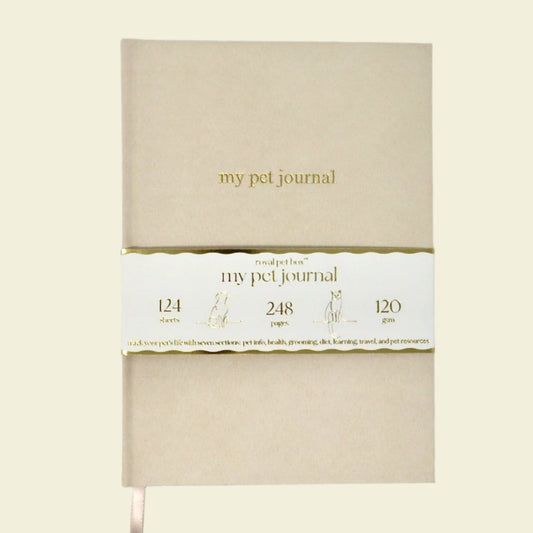
Foraging simply means working to find and access food. Because every bird learns at its own pace, it helps to keep notes as you go — our My Pet Journal is an easy place to record which puzzles your bird has mastered, which ones it ignores, and how its weight and appetite hold steady along the way.
Field studies of wild parrots suggest they spend a large share of their waking hours searching for and processing food. A captive bird with an always-full bowl has all of that time and energy left over, and it often gets redirected into less welcome habits: repetitive screaming, over-preening, chewing furniture, or even feather damaging behavior.
Interestingly, many animals, parrots included, will choose to work for food even when the same food is freely available. Researchers call this "contrafreeloading," and it's a good reminder that the effort itself is rewarding.
Signs Your Bird Needs More Foraging Enrichment
Most companion parrots benefit from foraging, but a few signs suggest your bird is especially ready for more mental work:
- Eating its whole meal in minutes, then calling loudly for attention
- Shredding paper, cage covers, or anything within reach of its beak
- Pacing, bar-chewing, or repeating the same movement over and over
- Over-preening or picking at feathers when nothing else is going on
Feather loss, a sudden appetite change, or new repetitive behaviors can also point to a medical issue, so it's worth having an avian vet rule out illness before assuming boredom is the whole story.
How to Teach Your Parrot to Forage, Step by Step
The biggest mistake owners make is starting too hard. A bird that has only ever eaten from an open dish may not understand that food can be hidden, so build up slowly and let each stage feel like a win.
- Make it visible. Place a favorite treat in the regular food dish and lay a small piece of plain paper over half of it. Your bird can still see the reward and only needs to nudge the paper aside.
- Cover it fully. Once that's easy, cover the whole dish with paper. Let your bird watch you hide the treat the first few times.
- Wrap it. Twist a treat loosely inside a small square of paper, like a piece of candy. Start loose, then gradually twist tighter.
- Bury it. Fill a shallow dish or small cardboard box with shredded paper and mix a few treats in so your bird has to dig.
- Add puzzles. Graduate to commercial acrylic or wooden foraging toys with drawers, lids, or spinning parts once your bird has the idea.
Easy DIY Parrot Foraging Ideas
You don't need expensive gear. Some favorite low-cost options:
- Paper cup surprise: Drop a treat into an unwaxed paper cup and fold the top closed.
- Cardboard roll stuffers: Pack a plain cardboard tube with shredded paper and a few nuts, then crimp the ends.
- Egg carton hunt: Put treats in a few cups of a plain cardboard egg carton and fill the rest with paper.
- Veggie kabobs: Thread leafy greens and chunks of bird-safe vegetables on a stainless steel skewer so your bird has to pull and tear.
- Foraging tray: Scatter part of the daily pellets across a tray of shredded paper on the cage floor or a play stand.
Skip glossy or heavily inked paper, glue, staples, string that can wrap around toes, and galvanized or zinc-coated metal, since heavy-metal exposure is a real risk for birds that chew everything they touch.
Parrot Foraging Safety: Keep Meals on Track
Foraging should add work to mealtime, not take food away. While your bird is still learning, always leave its regular diet in an easy-to-reach dish and use the foraging setups for treats or a small portion of the day's food. Only shift more of the main diet into foraging toys once you're sure your bird is solving them confidently.
Birds are experts at hiding when something is wrong, so a kitchen gram scale is your best friend here. Weighing your parrot at the same time each morning lets you catch a quiet drop before it becomes a problem.
Small birds like budgies and cockatiels can lose a meaningful amount of weight in just a few days, so if the scale starts sliding while you're introducing foraging, ease back to the open dish and check in with your avian vet.
Rotate foraging toys every week or two, and mix easy puzzles with harder ones so your bird stays motivated.
The Takeaway on Teaching Your Parrot to Forage
Foraging taps into one of your parrot's deepest instincts. Start simple, make every early attempt a success, keep the regular food bowl available, and watch your bird's weight while it learns. With a little patience, mealtime becomes the most engaging part of your bird's day — and a busy beak is usually a much happier, quieter one.
Check out our luxury pet products at reasonable prices. Visit our "Royal Pet Box Pet TV" Channel on both Roku and YouTube for fabulous pet-related education and entertainment.
Paris Deesing holds a degree in Biological Anthropology from UCLA and provides the editorial review behind each article, drawing on a long-held curiosity about the animals who share our lives.
This article was created using artificial intelligence with human editorial review and oversight.