How to Weigh Your Pet Bird: Using a Gram Scale to Catch Illness Early
Paris DeesingPet birds are masters at hiding illness. In the wild, a bird that looks weak becomes a target, so even a much-loved budgie or cockatiel will keep up appearances until it simply can't anymore. By the time you see fluffed feathers or a bird sitting on the cage floor, it may have been sick for days. The good news is that one simple, inexpensive habit can give you an early warning: learning how to weigh your pet bird on a gram scale. Here's why it matters, what you need, and how to make it part of your routine.
Why Weighing Your Pet Bird Matters
A bird's feathers are excellent at disguising its body. A cockatiel can lose a noticeable amount of weight while still looking plump, because fluffed feathers fill out its silhouette. A scale doesn't get fooled. Gradual weight loss is often one of the first measurable signs that something is wrong, showing up before a change in behavior, appetite, or droppings is obvious.
Small birds have very little reserve to spare. For a 35-gram budgie, losing just 3 or 4 grams is roughly a tenth of its body weight. You'd never see that by eye, but a scale shows it right away.
Choosing the Right Bird Scale
You don't need anything fancy. A digital kitchen scale works well as long as it meets a few basics:
- It reads in grams, with 1-gram increments. Ounces are too coarse for small birds.
- It has a tare (zero) button, so you can subtract the weight of a perch or container.
- It handles your bird's size. Most kitchen scales cover budgies through large parrots easily.
Many owners attach a T-shaped perch to the scale so the bird can step up on its own. For very small or wiggly birds, a lightweight container or small carrier on the scale works too. Just remember to tare it first.
How to Weigh Your Bird, Step by Step
- Pick a consistent time. First thing in the morning, before breakfast and after your bird's first droppings, gives the most comparable numbers. A bird's weight naturally shifts by a few grams over the day as it eats and drinks.
- Turn on the scale and tare it with the perch or container in place.
- Ask your bird to step up onto the perch, using the same cue you use for step-up training.
- Wait for the reading to settle, then note it before offering a small treat as a reward.
Most birds learn the routine within a week or two, especially if the scale always comes with a favorite treat. Keep sessions short and calm, and never force a frightened bird onto the scale.

Tracking Bird Weight Over Time
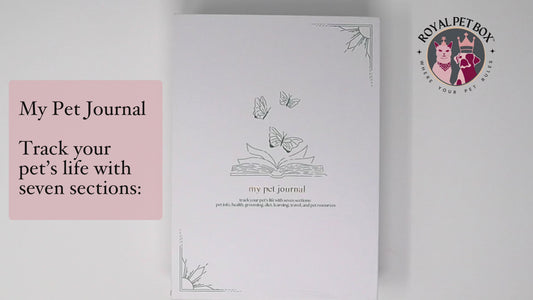
A single number tells you very little. The real value comes from the trend. Writing each weigh-in down in our My Pet Journal gives you one place to see your bird's normal range at a glance, along with notes on molts, diet changes, and vet visits that might explain a shift.
Once you know your bird's baseline, you'll start to see its patterns. Many birds weigh a little more in cooler months or while building up for a molt. Daily weigh-ins are ideal for small birds, and at least once or twice a week works for larger parrots. Weigh more often during illness, recovery, molting, egg-laying season, or after any change in diet.
What Bird Weight Changes Mean
As a rough guide, a healthy adult budgie often weighs around 30 to 40 grams, a cockatiel around 80 to 110 grams, and an African grey around 400 to 550 grams. Individual birds vary widely, though, so your own bird's baseline matters far more than any chart.
Watch for these patterns:
- A steady drop over several weigh-ins, even of just a few grams in a small bird.
- A loss of around 10% of body weight, which is a clear signal to call your avian vet promptly.
- A sudden drop from one day to the next, especially with fluffed feathers, sleepiness, or changes in droppings.
- Slow, steady gain, which can point to a seed-heavy diet or too little activity and may raise the risk of fatty liver disease.
These weight ranges are general starting points for healthy adult birds. An avian vet can tell you what a healthy weight looks like for your bird's species, age, and build, and help you set a number that should prompt a call.
Bring Your Numbers to Every Vet Visit
Avian vets love owners who weigh their birds. A log of weights gives your vet a far clearer picture than a single reading taken on a stressful exam day. If your bird ever does get sick, that record can help your vet spot when the problem started and track how well treatment is working.
Weighing your pet bird takes less than a minute a day, but it's one of the most caring habits you can build. A gram scale, a few treats, and a written record turn a hidden problem into something you can catch early, while there's still plenty of time to help.
Check out our luxury pet products at reasonable prices. Visit our "Royal Pet Box Pet TV" Channel on both Roku and YouTube for fabulous pet-related education and entertainment.
Paris Deesing holds a degree in Biological Anthropology from UCLA and provides the editorial review behind each article, drawing on a long-held curiosity about the animals who share our lives.
This article was created using artificial intelligence with human editorial review and oversight.