Is a Dry Dog Nose a Sign of Illness? What Your Dog's Nose Really Tells You
Paris DeesingYou reach down to pet your dog after a long nap and notice their nose feels warm and dry instead of cool and damp. Cue the worry: isn't a dry nose a sign your dog is sick? It's one of the most repeated pieces of pet folklore — and for the most part, it isn't true. Here's what a dry dog nose actually means and which changes deserve a closer look.
Is a Dry Dog Nose a Sign of Illness?
Usually, no. A dog's nose stays moist thanks to a thin layer of mucus produced by glands inside the nostrils, plus a lot of licking. That moisture helps trap scent particles, which is part of why dogs smell the world so vividly. But how wet the nose is at any given moment changes throughout the day, and a healthy dog can easily go from damp to dry and back again within hours.
The idea that a warm, dry nose means a fever is also a myth. Nose temperature simply reflects the air around your dog and whether they've been licking it. The only reliable way to check for a fever is with a thermometer — a normal adult dog's temperature runs roughly 101 to 102.5°F.

Common Reasons for a Dry Dog Nose That Are Totally Normal
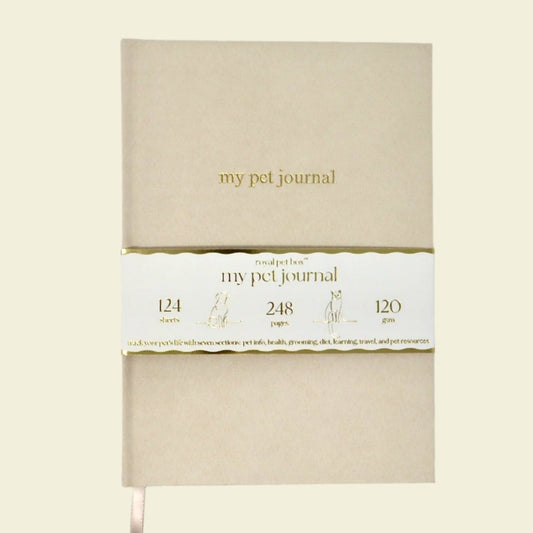
If you want to get a feel for what's normal for your own dog, jot down when you notice a dry nose alongside naps, walks, and weather — our My Pet Journal makes it easy to spot patterns over time and gives your vet useful notes if anything ever changes.
- Sleeping: Dogs don't lick their noses while they snooze, so many wake up with a dry nose that moistens again within a few minutes.
- Dry indoor air: Heaters and fireplaces pull humidity out of the house in fall and winter, and noses dry out right along with your skin.
- Sun and wind: A day outdoors can leave the nose dry, much like chapped lips.
- Age and breed: Older dogs tend to have drier noses, and short-nosed breeds like Pugs and Bulldogs can have trouble reaching their noses with their tongues to keep them moist.
Dry, Cracked Dog Nose: When Dryness Becomes a Problem
A nose that's occasionally dry is fine. A nose that stays dry and starts to change is different. Watch for crusting, flaking, deep cracks, bleeding, or a rough, thickened texture that builds up on the surface. That last one can be nasal hyperkeratosis, a condition where the body produces too much keratin on the nose. It's more common in older dogs, brachycephalic breeds, and certain breeds like Labrador Retrievers, and it can become sore if the cracks go deep.
Other changes worth noting include a pink nose that turns red or peels after sun exposure (light-colored noses can sunburn), a nose that loses its dark pigment or normal cobblestone texture, or open sores that don't heal.
Changes in pigment, texture, or persistent crusting can have several underlying causes, from allergies to autoimmune conditions, so it's worth having your vet take a look rather than guessing at home.
Dry Dog Nose Plus Other Symptoms: When to Call the Vet
The nose itself rarely tells the whole story. What matters is what comes with it. Call your veterinarian if a dry nose shows up alongside:
- Thick, yellow, green, or bloody nasal discharge
- Frequent sneezing, nosebleeds, or noisy breathing
- Lethargy, low appetite, vomiting, or diarrhea
- Signs of dehydration, such as sticky gums, sunken eyes, or skin that's slow to spring back when gently pinched
- Pawing at the face or a nose that seems painful to the touch

How to Help a Dry Dog Nose (and Winter-Dry Paws)
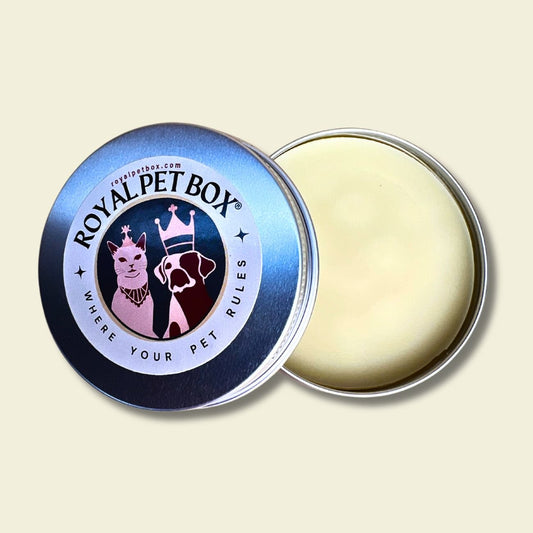
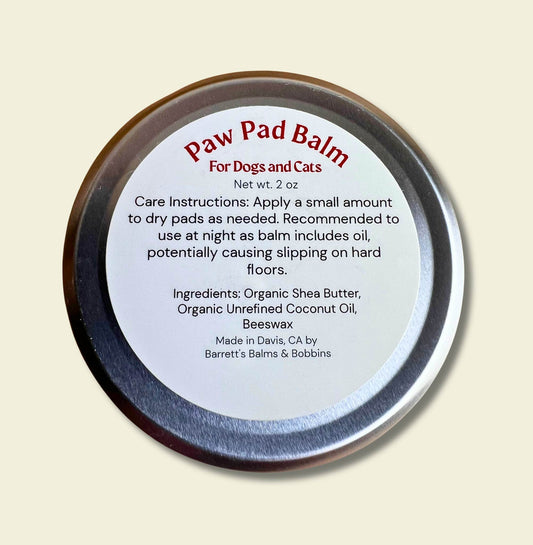
Cold, dry weather often hits paws at the same time as noses, so it helps to care for both. Our All Natural Paw Pad Balm is made with shea butter, coconut oil, and beeswax to soften dry, cracked pads after winter walks — and it works best applied at night so your dog isn't slipping on hard floors.
For the nose itself, a few simple habits go a long way:
- Run a humidifier in the room where your dog sleeps during heating season.
- Keep fresh water available at all times, and refill it after walks and play.
- Move your dog's bed a few feet away from heaters, vents, and fireplaces.
- For light-colored noses, limit midday sun and ask your vet about a dog-safe sunscreen.
- If you use a balm on the nose, choose one formulated specifically for dog noses, since dogs lick it off. Skip human lip products, which can contain ingredients that aren't safe for pets.
A thickened, crusty nose from hyperkeratosis often needs a vet-guided routine to soften the buildup safely, so check in before you start scrubbing or picking at it.
The Bottom Line on Your Dog's Dry Nose
A dry nose on its own is almost never cause for alarm. Dogs' noses naturally shift between wet and dry with sleep, weather, age, and activity. Instead of judging your dog's health by the feel of their nose, look at the bigger picture: their energy, appetite, thirst, and behavior. Pay attention to lasting changes in texture or color, and call your vet when dryness comes with discharge, bleeding, or other signs that your dog just isn't feeling like themselves.
Check out our luxury pet products at reasonable prices. Visit our "Royal Pet Box Pet TV" Channel on both Roku and YouTube for fabulous pet-related education and entertainment.
Paris Deesing holds a degree in Biological Anthropology from UCLA and provides the editorial review behind each article, drawing on a long-held curiosity about the animals who share our lives.
This article was created using artificial intelligence with human editorial review and oversight.