Is Your Bird's Perch Hurting Its Feet? Choosing Sizes, Materials, and Placement
Paris DeesingYour bird stands on its feet nearly twenty-four hours a day — sleeping, eating, and preening. Yet perches are usually the last thing a new owner thinks about, because the cage arrived with a couple of smooth wooden dowels and it seemed like the manufacturer had it handled. It didn't. Perch size, texture, and placement shape your bird's comfort and long-term foot health, and fixing them is one of the cheapest upgrades you can make.
Why Bird Perch Variety Matters More Than You Think
In the wild, a parrot never grips the same surface twice in a row. It moves from a thin swaying twig to a thick branch to a knobby node, and each surface shifts the pressure points under the foot. A cage fitted with two identical dowels does the opposite: the same narrow band of skin bears the bird's weight, hour after hour.
That unchanging pressure is the biggest driver of foot problems in captive birds. It leads to thinning skin, flattened foot pads, and eventually pressure sores. The fix isn't one perfect perch — it's three or four different ones in varied diameters and textures, spread through the cage so your bird naturally rotates between them.
Bird Perch Sizes: Getting the Diameter Right
The rule of thumb: your bird's front toes should wrap roughly two-thirds to three-quarters of the way around the perch. Toes that overlap on the far side mean the perch is too thin; toes lying nearly flat mean it's too thick. Both cause fatigue. As a starting range by species:
- Budgies and finches: about 3/8 to 1/2 inch
- Cockatiels and small conures: about 1/2 to 3/4 inch
- Larger conures and caiques: about 3/4 to 1 inch
- African greys and amazons: about 1 to 1 1/2 inches
- Macaws and large cockatoos: 1 1/2 to 2 1/2 inches or more
Treat these as a midpoint, not a target. Include one perch slightly under the ideal diameter and one slightly over. Natural branches taper along their length and do this automatically, which is why one good branch often outperforms three identical dowels.
These sizes are general starting points for healthy adult birds — if yours has arthritis, a past injury, or a foot deformity, an avian veterinarian can recommend diameters and textures that take pressure off the areas that need it.
Perch Materials: What's Safe and What to Skip

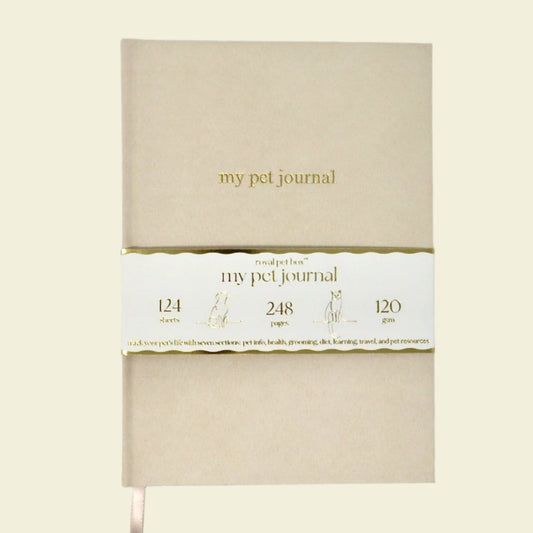
When you start swapping perches in and out, write down what you changed and when — our My Pet Journal gives you a dedicated place to log cage changes, foot checks, and vet visits, so you can look back and see what your bird actually responded to.
Good choices: untreated natural hardwood branches are the gold standard — manzanita, java wood, apple, willow, ash, elm, birch, and grapevine are all widely considered bird-safe. Cotton rope perches add flexibility and are gentle on sore feet. A single concrete or pumice grooming perch, placed low in the cage, helps keep nails blunt.
Skip these: sandpaper perch covers are the most common mistake — they abrade foot pads without meaningfully filing nails. Avoid wood from the Prunus family (cherry, peach, plum, apricot), aromatic cedar and redwood, yew, and anything pressure-treated, painted, or stained. Branches gathered outdoors should come from trees you know haven't been sprayed — scrub them and bake them at a low oven temperature to kill hitchhiking insects.
Rope perches need one extra habit: check them weekly. As cotton frays, loose threads can wrap around a toe or be swallowed. Trim strays and replace the perch once it starts to unravel.
Warning Signs of Perch-Related Foot Problems
Birds hide discomfort well, so foot trouble is visible before it's obvious. During routine handling, check the undersides of the feet for redness or shininess where skin should be textured, flattening of the ridged pads, swelling around a joint, or small scabs. A bird that constantly shifts its weight, favors one foot, sits on the cage floor, or suddenly refuses a favorite perch is telling you something.
Pododermatitis — commonly called bumblefoot — usually begins as one of these small changes and progresses slowly. Caught early, it often responds to nothing more dramatic than better perch variety and a clean cage. Left alone, it can reach bone and become genuinely hard to treat.
Limping, swelling, and any open lesion on the foot warrant a hands-on look from an avian veterinarian rather than a wait-and-see approach — obesity, vitamin A deficiency, and arthritis often drive these problems, and they need addressing alongside the perch swap.
Where to Place Perches in the Cage
Placement does as much work as material. Make the highest perch the sleeping perch, since birds instinctively roost at the top of their space, and keep that one comfortable and stable. Stagger the rest at different heights so your bird climbs and moves rather than sitting in one spot.
Two rules save a lot of grief: never position a perch directly above a food or water bowl, and don't crowd the cage so tightly that your bird can't open its wings. A bird that can't flap or turn will simply stop moving, undoing the benefit of all those varied perches. Keep the surfaces clean, too — droppings pressed into foot pads create exactly the moist, abrasive conditions infections thrive in. A weekly scrub with hot water and a stiff brush is usually enough.
Swapping factory dowels for three or four varied natural perches costs little and takes an afternoon, but it changes how your bird spends every hour of its life. Give those feet different shapes to grip and a reason to move between them — then check them now and again to be sure the setup is working.
Check out our luxury pet products at reasonable prices. Visit our "Royal Pet Box Pet TV" Channel on both Roku and YouTube for fabulous pet-related education and entertainment.
Paris Deesing holds a degree in Biological Anthropology from UCLA and provides the editorial review behind each article, drawing on a long-held curiosity about the animals who share our lives.
This article was created using artificial intelligence with human editorial review and oversight.