Signs Your Bird Trusts You: Reading Your Parrot's Body Language
Paris DeesingEarning a bird's trust is one of the quietest, most rewarding milestones in parrot ownership. Unlike a dog that bounds over on day one, a parrot, budgie, or cockatiel decides on its own timeline whether you are safe. The good news is that birds are always telling you how they feel through posture, feathers, and sound. Once you learn to read the signs your bird trusts you, the bond deepens quickly.
What Trust Looks Like in a Pet Bird
Trust in birds is built on predictability and calm. A bird that feels safe with you relaxes its body, approaches willingly, and stays close even when it could easily fly away. Because parrots are prey animals, they instinctively hide vulnerability, so genuine relaxation in your presence is a meaningful signal rather than a small one.
You will not see trust arrive all at once. It shows up in small, repeated moments: a bird that steps up without hesitation, preens in front of you, or drifts off to sleep while you are nearby. Each of these quietly says your bird has lowered its guard.
Bird Body Language That Says "I Feel Safe With You"
A bird's body is its clearest voice. Loose, slightly fluffed feathers paired with an easy, settled posture usually signal contentment. Watch for a bird that grinds its beak softly before dozing. That quiet, almost purring sound is a classic sign of a comfortable, secure bird.
Other trust cues include leaning toward you, gently exploring your hand or clothing with its beak, and the ultimate compliment: falling asleep on or near you. A bird that tucks one foot up and puffs slightly while perched on your hand is telling you it feels genuinely at ease.
Vocal Cues and the Sounds of a Content Bird
Sound is a huge part of parrot body language. Soft chatter, singing, whistling, and mimicking your words are all signs of a happy, socially engaged bird. Many parrots talk most when they feel connected to their flock, and to a bonded bird, you are the flock.
Gentle beak grinding, contented chirps, and that soft, murmuring warble a bird makes while settling in for the night all point to security. Loud, sudden squawking is a different story. It can signal alarm, boredom, or simply a call for your attention.
Trust Signals You Might Be Misreading
Not every behavior means what it first appears to. A bird that fluffs up and stays puffed for long stretches, sits low on the perch, or tucks its head while looking dull may not be relaxed at all. Persistent fluffing can point to illness rather than contentment.
Birds are experts at masking sickness, so if your bird stays fluffed, eats less, or seems unusually quiet for more than a day, it is worth a visit to an avian veterinarian to rule out anything that needs hands-on care.
Likewise, a bird that flattens its feathers tight, pins its eyes, or backs away is telling you it needs space. Reading these "not right now" signals and honoring them is one of the fastest ways to build lasting trust.

How to Build and Keep Your Bird's Trust
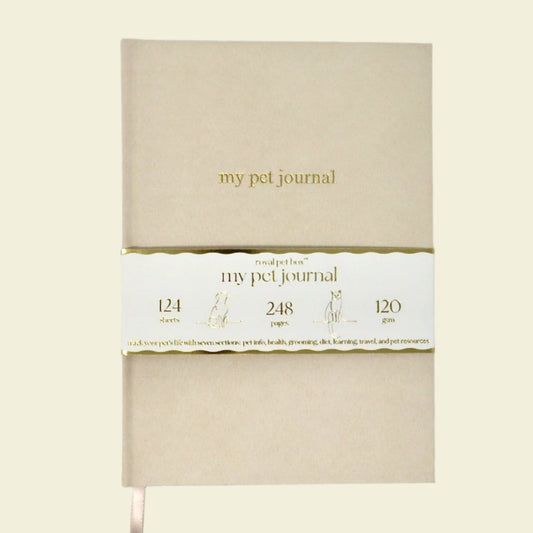
Trust grows through consistency: talk softly, move slowly, and let your bird set the pace for handling. Keeping a log of your bird's moods, favorite treats, and daily behavior helps you spot patterns and celebrate progress. Our My Pet Journal gives you one dedicated place to track meals, vet visits, and the little breakthroughs that mark a growing bond.
Offer favorite foods from your hand, keep training sessions short and positive, and always end on a good note before your bird gets overwhelmed. Over weeks and months, these small, predictable kindnesses add up to a bird that sees you as part of its flock.
Every bird bonds on its own schedule, and the payoff, a feathered companion that actively chooses your company, is well worth the patience. Learn to read the signs, respect the boundaries, and let trust build one calm interaction at a time.
Check out our luxury pet products at reasonable prices. Visit our "Royal Pet Box Pet TV" Channel on both Roku and YouTube for fabulous pet-related education and entertainment.
Paris Deesing holds a degree in Biological Anthropology from UCLA and provides the editorial review behind each article, drawing on a long-held curiosity about the animals who share our lives.
This article was created using artificial intelligence with human editorial review and oversight.