Signs Your Cat Is Overstimulated: Reading the Warning Before the Bite
Paris DeesingYou are stroking your cat, she is purring, and everything feels calm — then in a flash she twists around, bites your hand, and stalks off. If that sudden switch has ever left you baffled (and maybe a little scratched), you have met petting-induced overstimulation, one of the most misunderstood behaviors in cats. The good news: it almost always comes with a warning, and once you learn to read it, those surprise bites become surprisingly easy to avoid.
What Overstimulation in Cats Actually Is
Overstimulation happens when a pleasant sensation crosses over into "too much." Repetitive petting sends a steady stream of signals through the sensitive nerve endings in your cat's skin, especially along the back, the base of the tail, and the belly. For some cats that input stays soothing for a long time; for others it builds quickly until it tips from enjoyable to irritating. The bite that follows is not aggression the way we usually picture it — it is your cat's blunt, wordless way of saying, "I am done now."
The Warning Signs Your Cat Gives Before Biting
Cats rarely bite out of nowhere. Watch for a tail that starts twitching or thumping, skin that ripples along the back, and ears that rotate backward or flatten. A relaxed cat who suddenly goes tense and still is giving you an early tell. Dilated pupils, a low growl, or a head that turns sharply toward your hand are late-stage signals that a nip is only seconds away. Learning this sequence is the whole game: the moment that lazy tail flick picks up speed, that is your cue to stop.
Why Petting Tips Some Cats Over the Edge
Individual tolerance varies enormously. Kittens who were handled gently and often in their first weeks usually accept longer sessions, while cats socialized less as babies may have a much shorter fuse. Location matters too — most cats enjoy chin, cheek, and head scratches far more than long strokes down the back or any contact near the belly and tail base.
If your cat has suddenly started biting during petting she used to love, it is worth a closer look — pain from arthritis, dental trouble, or a skin condition can make once-pleasant touch feel sharp, so a check-in with your vet can rule out a physical cause.
Barring a health change, petting-induced overstimulation is normal cat behavior, not a sign of a mean cat. It simply reflects where each individual's threshold happens to sit.
How to Pet Your Cat the Right Way
Work with your cat's preferences instead of against them. Keep sessions short, focus on the head and cheeks, and let your cat come to you rather than scooping her onto your lap. Pause every few strokes and read her body: if she leans in or headbutts your hand, she wants more; if she goes still or her tail starts to flick, give her space. Ending on a calm note — before the threshold, not after the bite — teaches your cat that petting stays pleasant, which over time can actually lengthen her tolerance.

Redirect the Energy Into Interactive Play
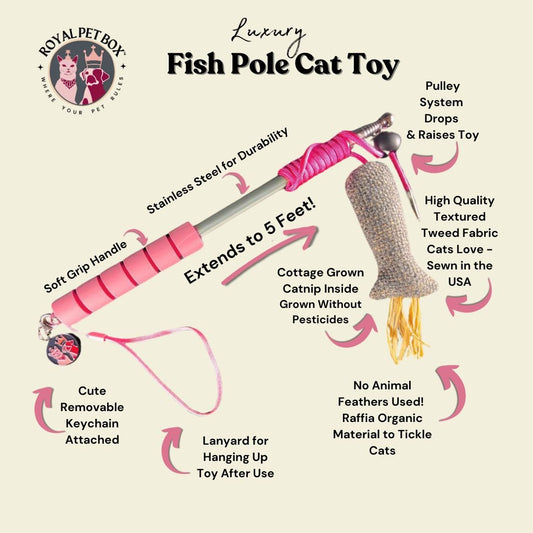
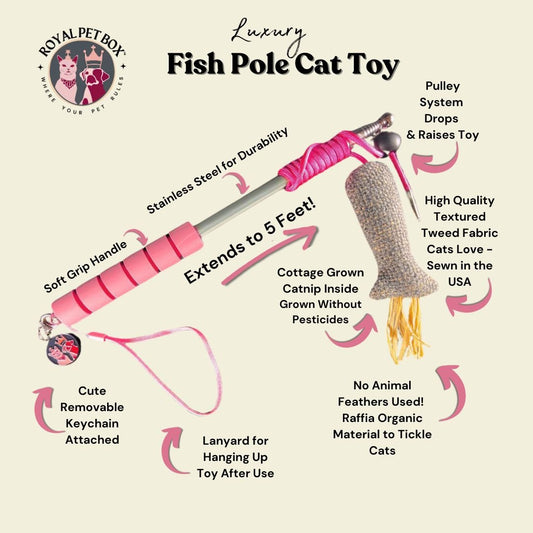
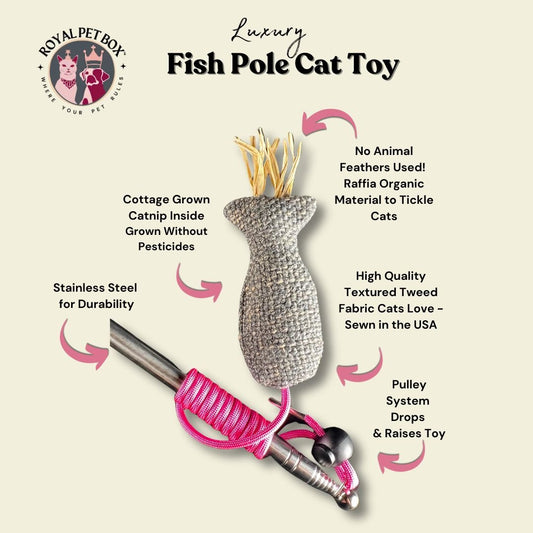
A cat who bites when overstimulated often has energy that needs an outlet, and interactive play is the healthiest place to send it. Our Luxury Fish Pole Cat Toy lets your cat chase, pounce, and "catch" from a safe distance, satisfying the hunting drive that hands were never meant to fill. Ten minutes of wand play a couple of times a day drains the pent-up energy that makes a cat quick to react, and it reinforces an important boundary: teeth and claws belong on toys, never on skin.

Give Your Cat a Solo Bite Outlet
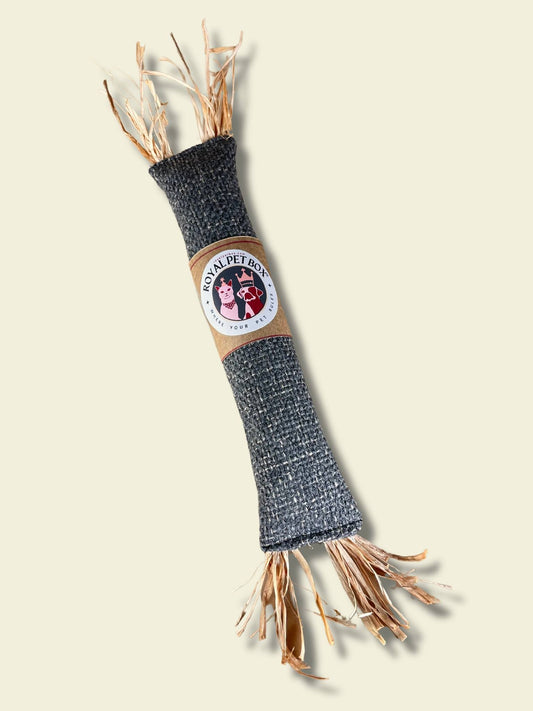
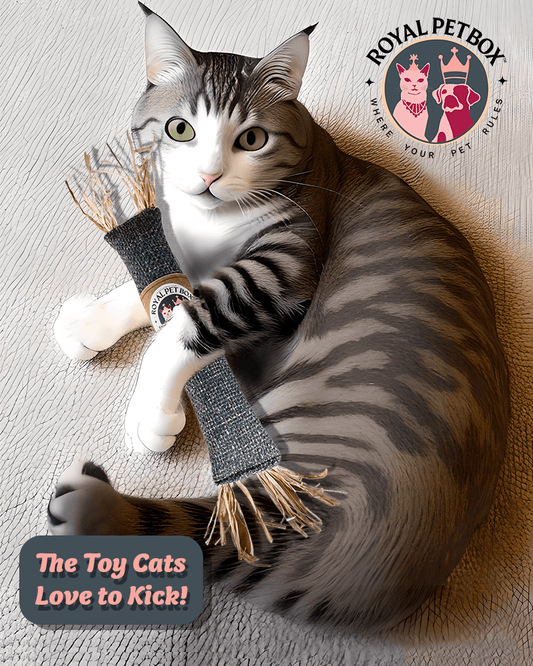
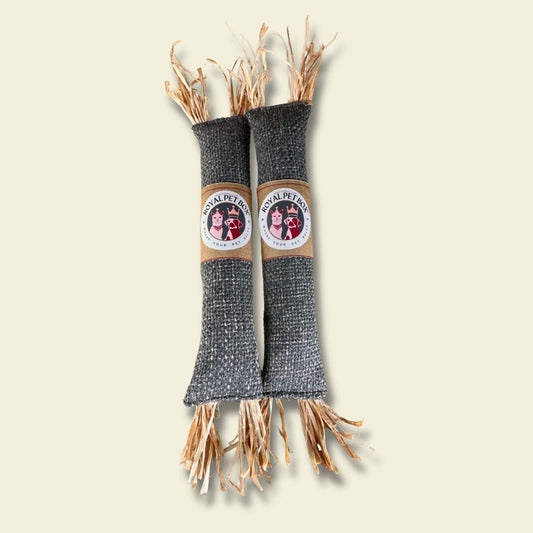
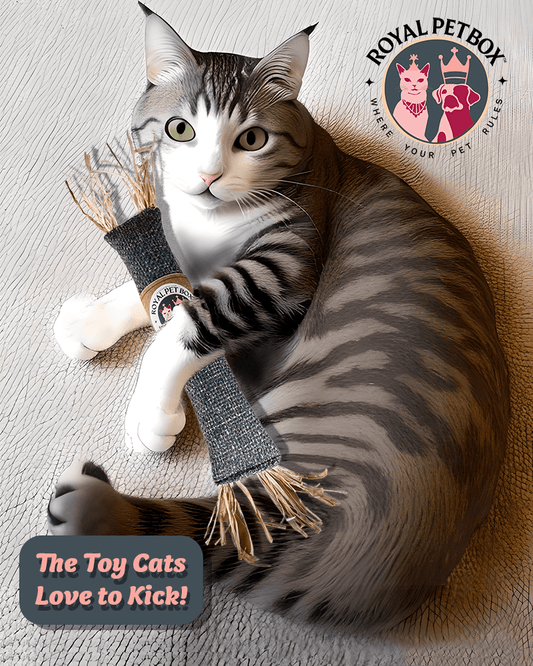
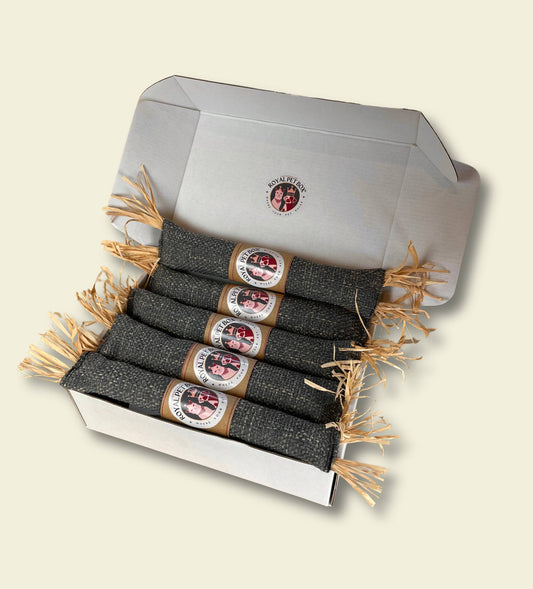
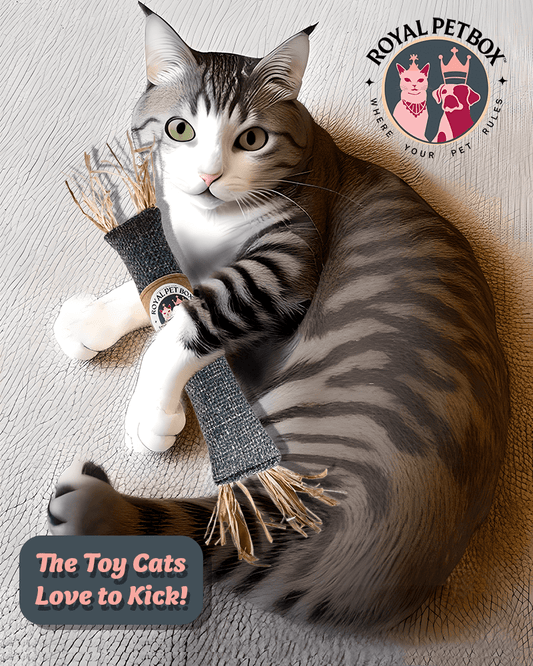
When you are not available to play, a self-directed toy keeps those instincts busy. Our Luxury Cat Kicker Toy, filled with silver vine and catnip, is built for exactly the grab-bunny-kick-and-bite sequence cats crave, giving your cat a legal target for the very behavior you want to keep off your hands. Rotating a couple of these toys keeps them novel, and offering one after a petting session helps your cat wind down on her own terms.

Track the Triggers to Learn Her Threshold
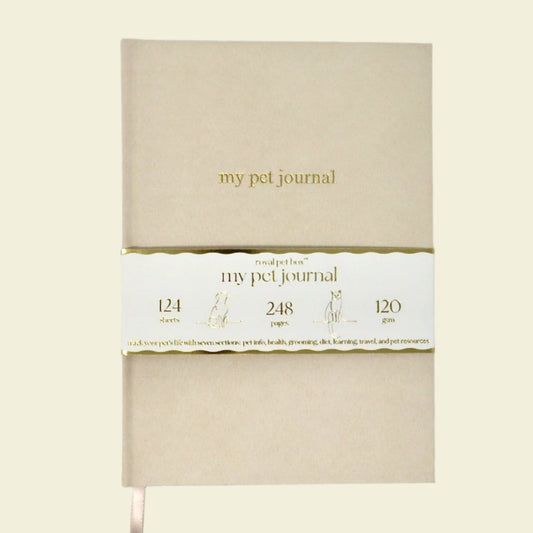
If the bites still feel unpredictable, a little record-keeping brings the pattern into focus. Our My Pet Journal gives you a dedicated place to note how long each session lasted, which spots your cat tolerated, and when the warning signs appeared, so you can map her personal threshold over time. Patterns that seem random usually are not — after a week or two of notes, most owners can predict the tipping point almost to the stroke.
Petting-induced overstimulation is less a behavior problem to fix than a language to learn. Watch the tail, respect the threshold, and give that energy a better outlet, and the surprise bites fade — leaving you with a cat who trusts that your hands mean comfort, and who no longer has to spell out when comfort has become too much.
Check out our luxury pet products at reasonable prices. Visit our "Royal Pet Box Pet TV" Channel on both Roku and YouTube for fabulous pet-related education and entertainment.
Paris Deesing holds a degree in Biological Anthropology from UCLA and provides the editorial review behind each article, drawing on a long-held curiosity about the animals who share our lives.
This article was created using artificial intelligence with human editorial review and oversight.