Step-Up Training for Pet Birds: How to Teach Your Bird to Step Onto Your Hand
Paris DeesingThere's a special moment in every bird owner's life: the first time your budgie, cockatiel, or parrot steps calmly onto your finger without a second thought. Step-up training is the foundation of nearly everything else you'll do together — getting your bird in and out of the cage, vet visits, out-of-cage time, and simple daily bonding. The good news? Almost any bird can learn it with patience, tiny rewards, and a little understanding of how birds see the world.

Why Step-Up Training Matters for Pet Birds
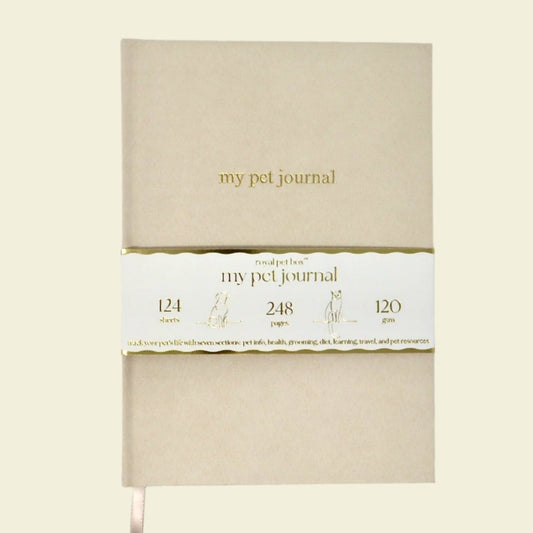
Progress with birds rarely moves in a straight line, so it helps to write it down — our My Pet Journal is a handy place to note each session, which treats your bird loved most, and the small wins that are easy to forget a month later.
A reliable step-up isn't a party trick. It lets you move your bird safely without grabbing or chasing, which protects both your fingers and your bird's trust. Birds are prey animals, and a hand swooping in from above can look a lot like a predator. Teaching a calm, predictable step-up turns your hand into something familiar and rewarding instead of something to avoid.
It's also a great confidence builder for shy birds, rescues, and newly adopted birds still figuring out their new home.
Before You Start: Setting Up Step-Up Training for Success
A little preparation makes training far easier:
- Find your bird's favorite treat. Millet spray works wonders for budgies and cockatiels; larger parrots often love a sunflower seed, a sliver of nut, or a tiny piece of fruit. Keep rewards very small so your bird stays interested.
- Pick a calm time. Train when your bird is alert and relaxed, not sleepy, startled, or mid-meal. Just before a regular mealtime is often when treats feel most motivating.
- Work in a neutral spot if possible. Many birds feel protective of their cage. Once your bird will come out, a play stand or a quiet room away from the cage often works better.
- Keep sessions short. A few minutes once or twice a day beats one long session. Always end on a success.
How to Teach Your Bird to Step Up, Step by Step
1. Build comfort near your hand. Rest your hand near the perch and offer treats from your fingers. Don't ask for anything yet — you're simply teaching that your hand means good things.
2. Try target training (optional but powerful). Many trainers first teach a bird to touch its beak to the tip of a chopstick. Each touch earns a quick "good!" and a treat. Once your bird follows the stick, you can use it to guide them toward your hand.
3. Present your finger correctly. Hold your index finger (or hand, for larger birds) horizontally, just in front of your bird's feet and slightly above the perch, gently touching the lower belly area. Birds naturally prefer to step to a higher perch, so a slightly raised finger invites the move.
4. Add the cue. Say "step up" in a cheerful, consistent voice as you offer your finger. The moment one foot lands, praise and reward. Two feet? Jackpot.
5. Practice the reverse. Teach "step down" by holding your bird slightly below a perch and rewarding the move back. Being able to put your bird down calmly is just as useful as picking them up.
Reading Bird Body Language During Training
Your bird will tell you when to push forward and when to back off. A relaxed bird may have slightly fluffed feathers, soft eyes, and a curious, leaning-in posture. Signs that it's time to slow down include slicked-down feathers, crouching low with an open beak, rapidly pinning (flashing) pupils, swaying, or leaning away from your hand.
If you see those signals, retreat to an easier step and try again later. Pushing past fear is the fastest way to teach a bird to bite.
A bird who stepped up happily for months and suddenly starts biting, hesitating, or gripping weakly may be telling you something isn't right physically — an avian veterinarian can check for pain, foot problems, or illness that birds instinctively hide.
Common Step-Up Training Mistakes to Avoid
- Pulling away when your bird reaches with its beak. Many birds use their beak to test a new perch for steadiness. Flinching teaches them your hand is wobbly. If you're nervous about bites, use a wooden hand-held perch (a "T-perch") until you both feel confident.
- Punishing bites. Yelling, flicking the beak, or shaking your hand only adds fear. Instead, calmly pause and figure out what triggered the bite.
- Grabbing from above. Always approach from the front and below where your bird can see you coming.
- Rushing. Some birds learn in a day; a fearful rescue might need weeks. Both are normal.
Building Lifelong Trust Through Step-Up Practice
Once your bird steps up reliably, keep the skill fresh with quick, positive practice every day — up onto your hand, a treat, and back down to a perch. Step-up training is really trust training: every calm, rewarded repetition tells your bird that you're safe, predictable, and worth being around. Go at your bird's pace, celebrate the little wins, and you'll soon have a feathered friend who greets your finger like an old favorite perch.
Check out our luxury pet products at reasonable prices. Visit our "Royal Pet Box Pet TV" Channel on both Roku and YouTube for fabulous pet-related education and entertainment.
Paris Deesing holds a degree in Biological Anthropology from UCLA and provides the editorial review behind each article, drawing on a long-held curiosity about the animals who share our lives.
This article was created using artificial intelligence with human editorial review and oversight.